
医保按病种付费

Search documents
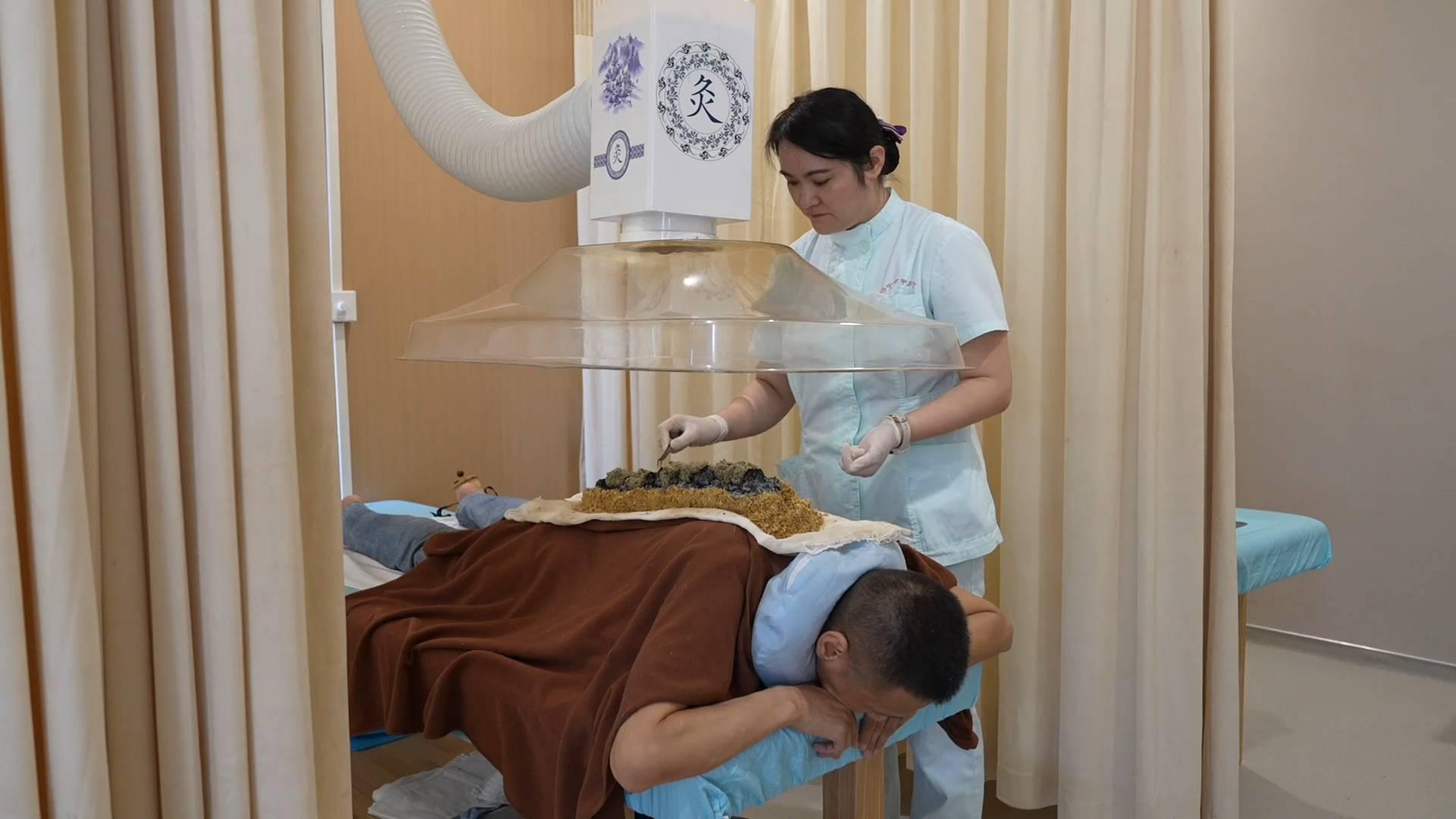
山东入选全国中医优势病种按病种付费试点地区
Feng Huang Wang Cai Jing· 2026-01-31 00:39
Core Insights - The National Healthcare Security Administration and the National Administration of Traditional Chinese Medicine have officially identified 18 pilot regions for the payment by disease category for traditional Chinese medicine (TCM), with Shandong included [1][3] Group 1: Payment by Disease Category - Payment by disease category refers to a bundled payment system where healthcare institutions receive a fixed payment based on the diagnosis and treatment of diseases, reflecting the labor value of TCM techniques [3] - Pilot regions can determine payment standards for TCM advantage diseases based on historical cost data and implement dynamic adjustments [3] Group 2: Selected Pilot Regions - The selected pilot regions include: Beijing, Hebei, Tongliao in Inner Mongolia, Shenyang in Liaoning, Shanghai, Wuxi in Jiangsu, Zhejiang, Wuhu in Anhui, Shandong, Shaoyang in Hunan, Guangdong, Guangxi, Chongqing, Panzhihua in Sichuan, Qiandongnan in Guizhou, Yunnan, Guyuan in Ningxia, and Urumqi in Xinjiang [3] Group 3: Recommended Disease Categories - A total of 57 TCM advantage diseases have been recommended, covering conditions such as fractures, lumbar disc herniation, and strokes [3] - Pilot regions are encouraged to use the recommended disease categories as a basis for local adjustments and releases [3] Group 4: Implementation and Progress - The document emphasizes the need for pilot regions to refine implementation plans, detail action measures, set timelines and task divisions, and regularly summarize progress and outcomes [3] - The goal is to accumulate experiences in TCM healthcare payment reform and gradually promote these practices nationwide [3]

两年一次!医保“打包付费”将实行动态调整
Xin Hua She· 2025-08-16 08:28
Core Viewpoint - The new regulations from the National Medical Insurance Administration (NMIA) establish a dynamic adjustment mechanism for disease-based payment schemes, which will be adjusted every two years to align with clinical developments [1][2]. Group 1: Payment Mechanism - The disease-based payment system includes two forms: Diagnosis-Related Group (DRG) payment and Disease Indicator Point (DIP) payment [1]. - The DRG grouping will focus on adjusting core and detailed groups while maintaining stability in major diagnostic categories [1]. - The DIP disease library adjustments will emphasize core and comprehensive disease types [1]. Group 2: Special Case Mechanism - The new regulations introduce a separate section for the "special case single negotiation" mechanism, allowing for cases that are not suitable for standard disease payment, such as long hospital stays or complex critical conditions [2]. - The NMIA aims to streamline the reporting process for special cases, enhancing efficiency and reducing the complexity of required documentation [2]. - This reflects the NMIA's commitment to support medical institutions in the rational use of new drugs and technologies for treating complex patients [2]. Group 3: Historical Context - The pilot reform of the disease-based payment system was initiated by the NMIA in 2019 and has since covered all coordinated areas [3].
赋能医疗机构高质量发展医保按病种付费新规出台
Zhong Guo Zheng Quan Bao· 2025-08-15 20:11
Core Viewpoint - The National Healthcare Security Administration (NHSA) has released the "Interim Measures for Medical Insurance Payment by Disease" aimed at reforming the medical insurance payment system to establish a unified, efficient, and standardized mechanism that supports the high-quality development of medical institutions [1] Summary by Relevant Sections Payment System Reform - The new measures focus on payment by disease, emphasizing the need for a comprehensive reform of the medical insurance payment methods [1] - The goal is to create a nationwide unified payment mechanism that is effective and collaborative [1] Budget Management - The measures stipulate strict total budget management, requiring reasonable expenditure budgeting to determine the total payment amount by disease [1] - It emphasizes the rigidity of the total budget [1] Grouping Scheme - The measures clarify the responsibilities for formulating and adjusting grouping schemes, including the framework, data support, and adjustment content [1] - Grouping schemes are to be adjusted every two years [1] Core Elements and Supporting Measures - The measures define key elements such as weight, rate, and payment standards, requiring collaboration between the NHSA and medical institutions to reach consensus [1] - It also standardizes supporting measures related to medical insurance payments, including special negotiations, advance payments, opinion collection, and data publication to enhance the scientific level of medical insurance payments [1]