博物馆事业高质量发展

Search documents
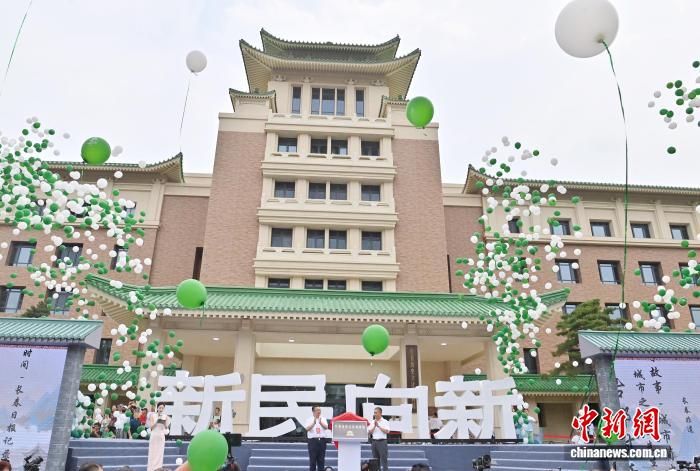
北京博物馆学会成立40周年 各界共话文博行业发展方向
Zhong Guo Xin Wen Wang· 2025-11-03 07:52
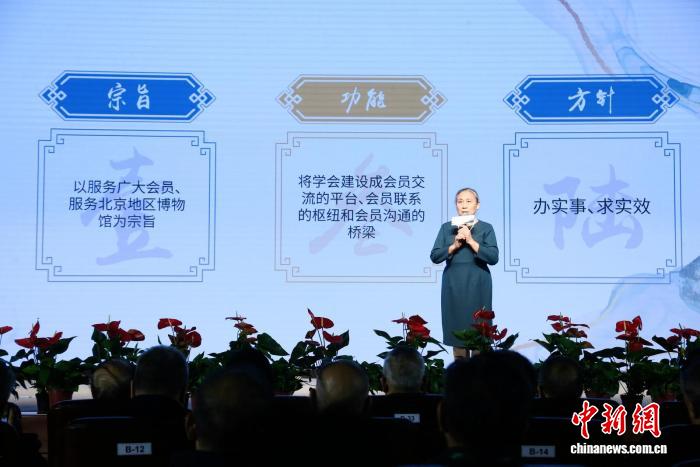
Core Points - The Beijing Museum Association celebrated its 40th anniversary, reflecting on its contributions to the cultural heritage sector and discussing future directions for high-quality development in the industry [1][2][4]. Group 1: Historical Context and Achievements - The association was established in July 1985 and has consistently worked according to its charter, receiving positive feedback from relevant management institutions [1]. - Over the past 40 years, the association has focused on promoting academic research in the Beijing region, organizing various academic seminars to address new opportunities and challenges in the museum sector [1][2]. Group 2: Publications and Resources - The association has published nine volumes of the "Beijing Museum Yearbook," which serves as a documentary tool for regional museum development [2]. - It has also produced reports and manuals to enhance the professional standards of museum personnel in Beijing, including the "Beijing Regional Museum Development Report (2019-2020)" [2]. Group 3: Leadership and Future Directions - The association's president emphasized its evolution from a small industry group to a significant platform connecting cultural heritage professionals, focusing on service and bridging public engagement with cultural relics [2]. - The chairman of the China Museum Association highlighted the association's role in leveraging Beijing's unique advantages to lead and demonstrate progress in the national museum sector [4].

吉林省立法创新推动博物馆事业高质量发展
Zhong Guo Xin Wen Wang· 2025-10-15 10:37
Core Viewpoint - The Jilin Provincial Museum Regulation is a significant local legislation aimed at promoting the high-quality development of museums in Jilin Province, marking the first provincial-level museum-specific legislation in China [1][3]. Group 1: Legislative Framework - The regulation consists of six chapters and 53 articles, outlining the basic principles for museum development, responsibilities of various parties, planning and construction, management systems, cultural relic protection, and overall development of the museum sector [1][3]. - The regulation will officially take effect on January 1, 2026, following its approval by the Jilin Provincial People's Congress on September 23 [1][3]. Group 2: Development Planning - County-level and above cultural relic management departments are required to develop museum development plans based on economic and social development levels, historical and cultural characteristics, public cultural needs, and collection resources [3]. - The regulation emphasizes the establishment of a museum system with local characteristics, encouraging the creation of both state-owned and non-state-owned museums that highlight unique themes and features [3]. Group 3: Cultural Relic Protection - The regulation addresses the relationship between cultural relic protection and utilization, stipulating that museum collections must not be rented, sold, or mortgaged to other entities or individuals [3]. - It mandates strict adherence to cultural relic protection and safety management regulations when developing related tourism projects to prevent destructive construction and excessive commercialization [3]. Group 4: Research and Community Engagement - The regulation supports scientific research in the museum sector and the application of research outcomes, promoting high-quality interpretation services and digital empowerment [4]. - It encourages museums to actively engage with communities and public spaces, including extended opening hours to enhance service levels [4].