厚重文化

Search documents
北京台春晚四十年正当时,连续霸榜背后有秘诀
Xin Lang Cai Jing· 2026-02-20 11:25
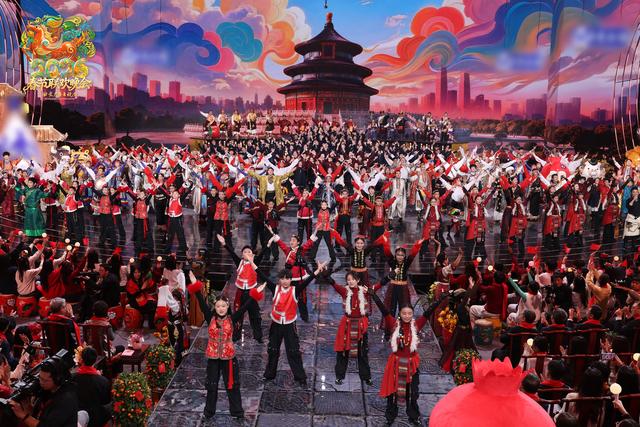
Core Viewpoint - Beijing Broadcasting Television Station's Spring Festival Gala has achieved a record of thirteen consecutive years as the top-rated provincial satellite TV Spring Festival Gala, establishing itself as an essential cultural brand in Beijing's New Year celebrations [1][8]. Group 1: Historical Context and Development - The Beijing TV Spring Festival Gala began in 1986, marking the start of a tradition of delivering New Year greetings to families in Beijing [3]. - By 1991, the station expanded its offerings to include over ten artistic performances from New Year's Day to the Lantern Festival, creating a rich viewing experience for audiences [3]. - The gala has consistently innovated its format, including the first nationwide multi-platform Spring Festival Gala in 2010, which promoted continuous viewing over seven days [3]. Group 2: Innovation and Audience Engagement - Since 2013, the Beijing TV Spring Festival Gala has focused on creative expressions beyond traditional performances, breaking artistic boundaries and creating memorable stage concepts [4]. - The integration of diverse age groups and styles, such as the collaboration of renowned musicians with local performers, has become a hallmark of the gala, enhancing its appeal [4]. - The gala emphasizes community engagement, showcasing local culture and sentiments, as seen in performances that reflect the lives and stories of ordinary citizens [5][7]. Group 3: Cultural Significance and Themes - The Beijing TV Spring Festival Gala has consistently incorporated themes that resonate with the audience, such as national pride and familial bonds, making it a platform for expressing collective emotions [6][8]. - Special segments like "Treasures Celebrate the New Year" have successfully evoked nostalgia and cultural pride by featuring significant historical artifacts and stories [7]. - The 2026 gala highlighted themes of unity and perseverance, connecting personal stories to broader national narratives, reinforcing the cultural significance of the event [7][8].