
古籍保护

Search documents
广西百部古籍有了新身份
Xin Lang Cai Jing· 2026-01-13 21:57
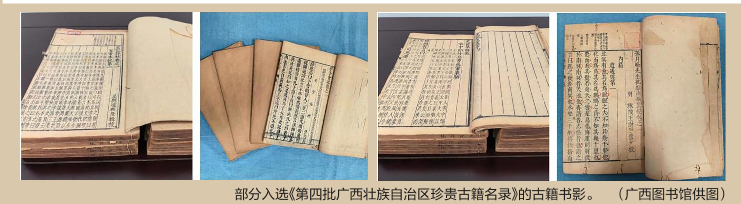
Core Viewpoint - The Guangxi Zhuang Autonomous Region has announced the fourth batch of its precious ancient book catalog, including 100 ancient texts, highlighting the region's rich cultural heritage and the ongoing efforts in the preservation and utilization of ancient literature [2]. Group 1: Ancient Book Catalog - A total of 100 ancient texts have been included in the fourth batch of the precious ancient book catalog, with 84 texts already listed in the National Precious Ancient Book Catalog and 472 in the Guangxi Precious Ancient Book Catalog [2]. - The new catalog features 83 Han Chinese ancient texts, 15 ancient Zhuang scripts, and 2 Manchu texts, showcasing the diversity and ethnic characteristics of Guangxi's ancient book resources [2]. Group 2: Preservation and Utilization Efforts - The continuous improvement of ancient book preservation environments and the advancement of digitalization efforts have led to significant progress in ancient book protection, shifting from comprehensive surveys to targeted strategies [2]. - Various activities have been organized by ancient book collection and protection units in Guangxi to enhance public awareness and participation in ancient book protection, fostering a culture of "guarding classics and inheriting civilization" [2]. Group 3: Cultural Exhibitions and Education - The Guangxi Library has hosted several large-scale exhibitions and educational programs aimed at promoting ancient book protection and utilization, including "The Return and Reproduction of the Yongle Encyclopedia" and "Cultural Exhibitions of the Eight桂" [3]. - The Guangxi Museum has launched its first specialized exhibition on ancient books, providing ongoing cultural displays and hands-on experiences related to ancient book binding and restoration, revitalizing traditional literature in contemporary society [3].

古籍保护迎来新的春天
Xin Lang Cai Jing· 2026-01-04 19:01
Core Viewpoint - The implementation of the "Sichuan Provincial Regulations on the Protection and Utilization of Ancient Books" marks a significant step in enhancing the protection and utilization of ancient texts, emphasizing the importance of these documents as both cultural heritage and contemporary resources [6][8]. Group 1: Legislative Framework - The new regulations consist of 34 articles that clarify definitions related to ancient books, departmental responsibilities, and the role of technology in their protection and utilization [6]. - The regulations aim to improve the protection level of ancient texts and promote effective utilization through a structured approach [6][9]. Group 2: Current State of Ancient Book Protection - Sichuan province, known for its rich collection of ancient texts, has approximately 230,000 volumes of Han literature and 500,000 volumes of ethnic literature, ranking among the top in the country [8]. - The shift in societal perception has transformed ancient book protection from a neglected area to a new focus of public interest [7]. Group 3: Key Insights from Sichuan's Experience - The regulations emphasize the need for clear responsibilities among various departments involved in ancient book protection to avoid fragmented efforts [9]. - Financial support for ancient book protection is now mandated to be included in local government budgets, ensuring sustainable funding for these initiatives [9]. - The regulations also address the need for talent cultivation in the field, establishing mechanisms for training and incentivizing professionals in ancient book protection [9]. Group 4: Challenges and Solutions - The urgency of ancient book protection is highlighted by the rapid decline in certain texts, such as the Bimo literature, which has seen a significant reduction in available volumes over the past few decades [11]. - The regulations call for the establishment of strict storage standards to ensure the preservation of ancient texts, including the construction of specialized storage facilities [11]. - The integration of modern technology in the research and preservation of ancient texts is encouraged, with advancements in areas such as AI and non-destructive testing being pivotal for future efforts [12][13]. Group 5: Cultural Integration and Future Directions - The regulations advocate for the integration of ancient texts into contemporary society, promoting their relevance through cultural, tourism, and educational initiatives [14]. - The concept of "Ancient Books +" is introduced to foster cross-disciplinary collaboration, enhancing the accessibility and appreciation of ancient texts in daily life [14]. - The ultimate goal is to create a vibrant ecosystem around ancient book protection, ensuring that these cultural treasures continue to inform and enrich modern society [14][15].
图书馆化身立体式古籍文化体验馆,这场晒书大会走过春夏秋
Xin Lang Cai Jing· 2025-10-26 08:45
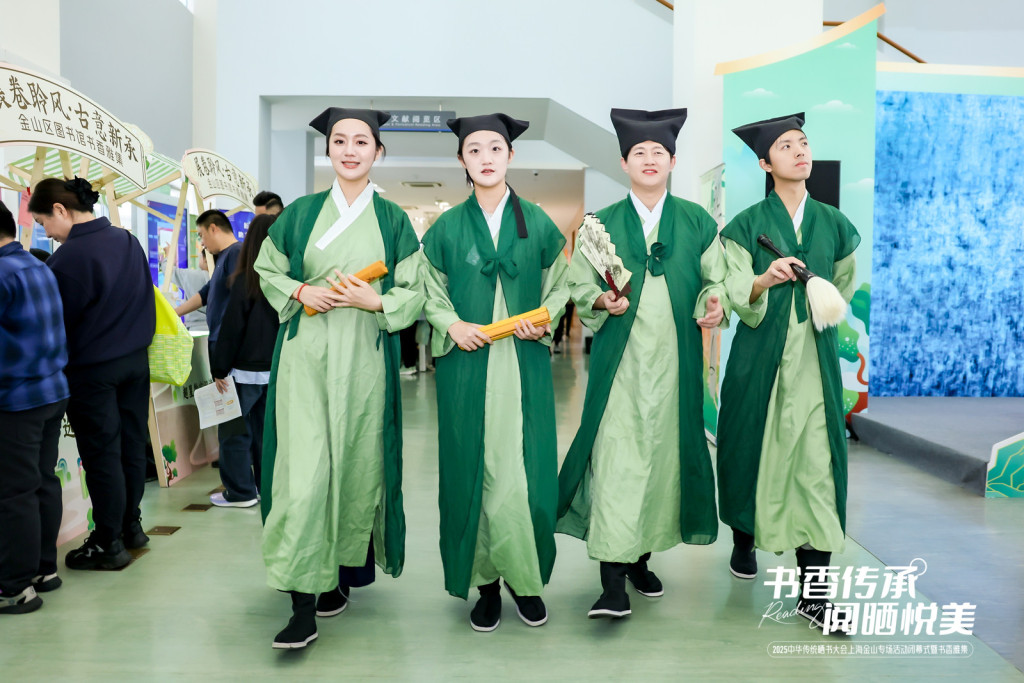
Core Viewpoint - The 2025 Chinese Traditional Book Sharing Conference in Jinshan, Shanghai, successfully integrated traditional and modern cultural elements, creating a vibrant cultural experience for citizens over six months [1][16]. Group 1: Event Overview - The event featured a series of activities driven by "revitalizing classics + digital innovation," including the launch of "Jinshan Bamboo Branch Lyrics" and a creative competition that engaged citizens through AI art, photography, and calligraphy [3]. - The closing ceremony included a showcase of book sharing achievements, award presentations, and expert commentary, highlighting the community's deep engagement with traditional culture [5][14]. - The event transformed the library into an immersive cultural experience space with various themed areas, allowing citizens to engage with ancient book restoration, seal carving, and traditional music performances [5][7]. Group 2: Cultural Engagement - The event emphasized making ancient texts "come alive," showcasing the beauty of Chinese characters through seal carving and the restoration of old books, allowing readers to experience traditional craftsmanship firsthand [7]. - A variety of artistic activities, including guqin performances and children's theater, created an interactive atmosphere, encouraging readers to transition from passive observers to active participants [9]. - The "Cultural Empowerment of Life" theme in the book market fostered a multi-sensory reading environment, combining reading with local cultural products and a relaxing café setting [10]. Group 3: Community Involvement - Interactive activities such as stamp collection, themed reader cards, and book exchanges attracted families and individuals of all ages, promoting a culture of reading and sharing [12]. - The introduction of a "Imperial Examination" themed reader card connected modern readers with Jinshan's historical significance as a "Hometown of Scholars," enhancing the cultural experience [12]. - The conference's legacy includes a collection of creative works and digital resources that will continue to inspire interest in ancient texts and reading among citizens [16].
(文化中国行)从“活下来”到“活起来” 新疆解码“古籍智慧”
Zhong Guo Xin Wen Wang· 2025-10-11 06:41
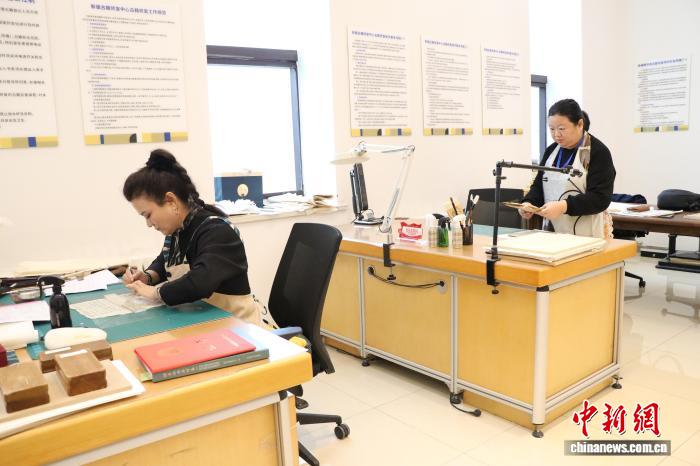
Core Viewpoint - The article discusses the efforts in Xinjiang to preserve and revitalize ancient texts, highlighting the importance of ancient book restoration and its cultural significance [1][5]. Group 1: Ancient Book Restoration Efforts - The Xinjiang Ancient Book Restoration Center aims to guide and enhance the restoration work of ancient texts across various institutions in Xinjiang, focusing on training talents in multi-lingual ancient book restoration [4][5]. - In 2023, the center's key project involves the restoration of the Ming Dynasty ancient book "Selected Poems of Famous Figures," which is over 700 years old and has been included in the second batch of the National Precious Ancient Books Directory [1][4]. - Since its establishment, the center has completed the restoration of 48 ancient texts, totaling over 6,000 leaves [4]. Group 2: Cultural Significance and Community Engagement - The Xinjiang Library houses over 124,000 ancient texts in various languages, including many rare items, reflecting the social life and historical interactions of diverse ethnic groups in the region [4][5]. - Recent initiatives include organizing ancient book protection courses in schools and community activities to raise public awareness and appreciation of ancient texts [5]. - The establishment of a national-level ancient book restoration training center in Xinjiang in 2024 will provide a new platform for cultivating restoration talents [5].
2025年山东省藏书大会暨中华传统晒书活动开幕
Da Zhong Ri Bao· 2025-09-28 01:04
Core Viewpoint - The 2025 Shandong Province Book Collection Conference and the traditional book-sharing event aim to promote and preserve Chinese traditional culture through exhibitions and cultural exchanges [2][3]. Group 1: Event Overview - The event features two exhibitions: "Lu Bi Chong Guang: Precious Ancient Books from the Tang and Song Dynasties" and "Reading Scenery - The Artistic World of Bookplates," showcasing rare ancient books and cultural artifacts [2][4]. - The exhibitions are held at the Confucius Museum, attracting experts, scholars, and collectors from across the country [2][3]. Group 2: Cultural Significance - The concept of "book-sharing" reflects the wisdom of ancient book preservation and has evolved into a significant form of knowledge and thought exchange in modern society [3][4]. - Shandong, as a key birthplace of Chinese civilization and Confucian culture, has implemented the "Chinese Ancient Book Protection Plan," leading to the collection of approximately 120,000 ancient books and nearly 2 million volumes [2][4]. Group 3: Exhibition Details - The "Lu Bi Chong Guang" exhibition features over 130 rare texts and artifacts from various public and private collections, including unique editions and first-time displays [4]. - The exhibition is divided into three sections: "Written Treasures," "Ancient Printing Techniques," and "Preserving Collections," highlighting the evolution of Chinese book production from handwritten to printed forms [4]. Group 4: Bookplate Exhibition - The "Reading Scenery" exhibition displays 633 bookplates, showcasing the cultural significance of book ownership across different eras and themes [5]. - The bookplates include historical examples and contemporary works, emphasizing regional characteristics and artistic styles [5]. Group 5: Future Activities - The "Lu Bi Chong Guang" exhibition will run for three months, while the "Reading Scenery" exhibition will last for one month [5][6]. - A seminar on the inheritance of ancient texts in the AI era was also held, focusing on innovative practices in ancient book utilization and promotion [6].
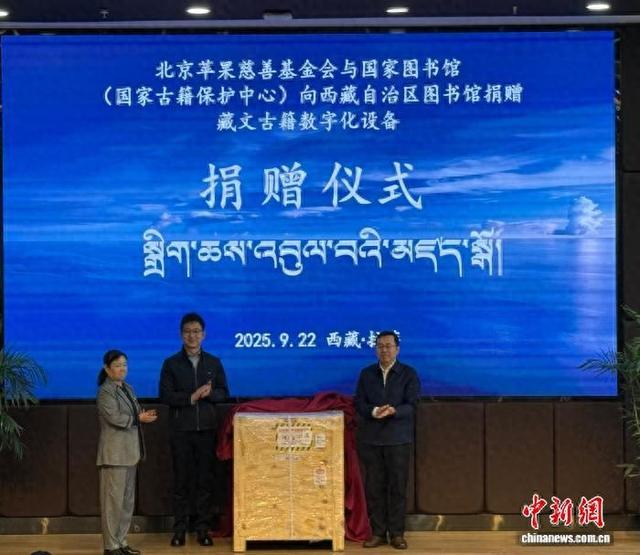
西藏自治区图书馆获赠藏文古籍数字化设备
Zhong Guo Xin Wen Wang· 2025-09-22 10:35
Core Points - The Beijing Apple Charity Foundation and the National Library of China donated digitalization equipment for Tibetan ancient texts to the Tibet Autonomous Region Library, marking a significant step in their 2019 cooperation agreement aimed at preserving and digitizing Tibetan cultural heritage [1][3] - The donation includes three specialized products designed for the digital protection of Tibetan ancient texts, which will enhance the efficiency and capability of ancient text preservation in Tibet [3] Group 1 - The donation ceremony took place in Lhasa, Tibet, emphasizing the importance of ancient text preservation for cultural heritage and national security [1][3] - The National Library's Deputy Director highlighted the significance of this initiative in promoting ethnic unity and safeguarding traditional Chinese culture [1] - The advanced equipment provided will significantly improve the hardware and technical capabilities for ancient text preservation in Tibet [3] Group 2 - The donated equipment includes a non-contact scanning device for high-fidelity digital capture, an AI-based OCR software for converting images into editable text, and a resource management system for secure storage and efficient utilization of digital resources [3] - The Tibet Autonomous Region Library expressed gratitude by gifting a historically significant ancient text back to the National Library, symbolizing cultural exchange and mutual support [3]
解锁“典籍里的齐鲁”,山东这样干
Qi Lu Wan Bao· 2025-06-03 03:44
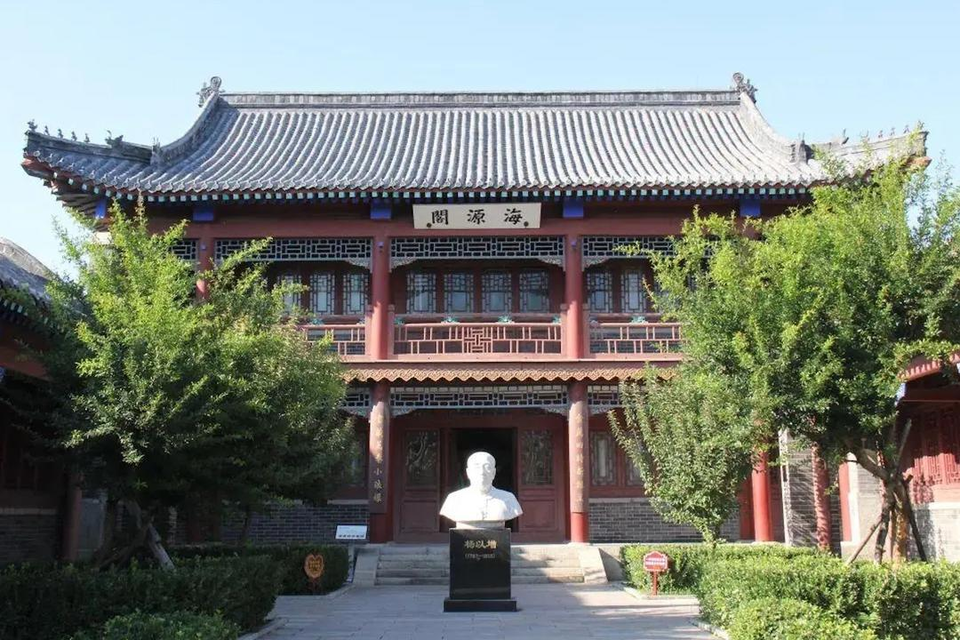
Core Viewpoint - The conference held in Liaocheng focused on enhancing the protection, organization, research, publication, and revitalization of ancient books in Shandong Province, emphasizing the importance of cultural heritage and its modern relevance [1][3][14]. Group 1: Ancient Book Protection and Revitalization - The Haiyuan Pavilion in Liaocheng has a rich collection of over 4,300 types and 280,000 volumes of ancient texts, playing a significant role in cultural preservation [1][3]. - The "Return to Pavilion Project" has been initiated to recover lost ancient books, with 2,664 types of old collections identified and digitization efforts underway [3][9]. - Shandong Province has approximately 120,000 ancient book collections, totaling nearly 2 million volumes, and has made significant contributions to national projects in the field of ancient texts [5][7]. Group 2: Challenges and Solutions in Ancient Book Work - The ancient book sector faces challenges such as incomplete cataloging of existing versions, a shortage of restoration talent, and heavy preservation tasks [8][9]. - Innovative approaches like "door-to-door" and "book-to-door" methods have been adopted to enhance the understanding and preservation of ancient texts [9]. - The establishment of a provincial-level restoration talent network and the creation of a key laboratory for ancient book protection and restoration are underway to address these challenges [9][10]. Group 3: Digitalization and Public Engagement - The launch of the Shandong Provincial Ancient Book Digital Resource Platform aims to facilitate the digital preservation and public access to ancient texts [11]. - Local initiatives, such as Jining's digitalization plan, have successfully scanned and uploaded numerous ancient books, enhancing accessibility [11]. - Engaging the public through innovative formats, such as comics and documentaries, is seen as essential for making ancient texts relevant and appealing to modern audiences [12][13]. Group 4: Future Directions and Cultural Significance - The conference highlighted the need for ongoing efforts to protect, utilize, and revitalize ancient texts, ensuring they remain a vital part of cultural identity [14]. - Emphasis was placed on integrating ancient book culture with contemporary reading practices and community activities to foster a deeper appreciation for cultural heritage [13][14].
全面展示镇江三千年文脉 《镇江文库》新书发布会举行
Zhen Jiang Ri Bao· 2025-05-11 00:13
Core Points - The publication of the "Zhenjiang Wenkui" marks a significant milestone in the protection of ancient texts in Zhenjiang [2] - The project is the largest documentation effort in Zhenjiang's 3,000-year history, comprising 100 volumes and over 590 historical cultural texts [1][2] - The "Zhenjiang Wenkui" has been recognized for its academic value and social significance, receiving accolades from various experts and institutions [2] Summary by Categories Publication Details - The "Zhenjiang Wenkui" consists of four sections: local chronicles, historical materials, academic works, and literature, with a total of 100 volumes [1] - The project took 8 years to complete, with the local chronicles published in 2019, historical materials in 2021, and academic and literary sections in 2023 [1] Historical Significance - The collection includes rare documents that had been lost, such as the Ming Dynasty's "Wanli Revised Zhenjiang Prefecture Chronicle" and "Zhengde Danpu County Chronicle," which are now republished [1] - The historical materials section features over 30 military-related texts, reflecting the city's historical character [1] Recognition and Impact - The "Zhenjiang Wenkui" was awarded as an excellent book in the ancient texts category at the 26th East China Region Book Fair in November 2024 [2] - Over 30 institutions, including national and provincial libraries, have donated copies of the "Zhenjiang Wenkui" to promote its accessibility [2]