国有股权董事制度

Search documents
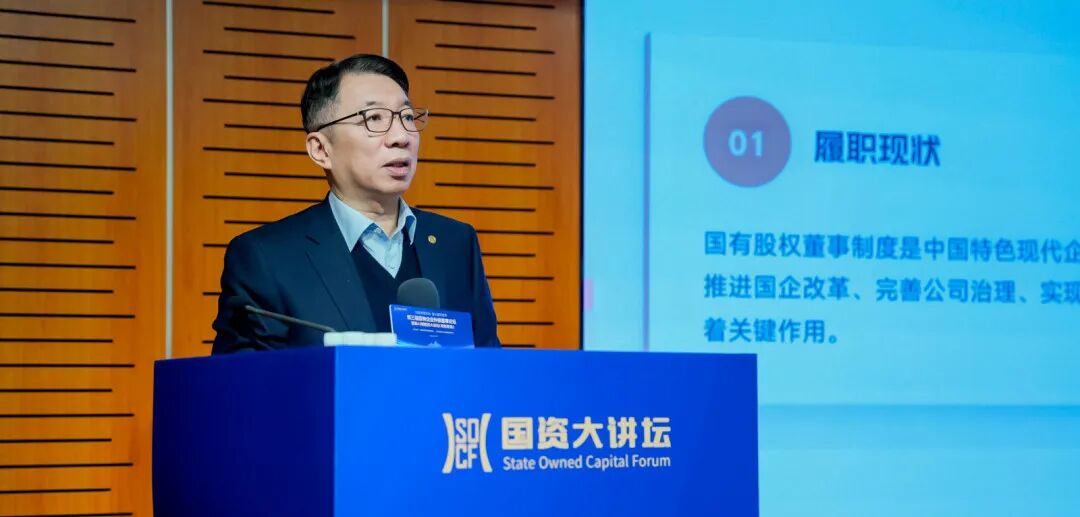
声音 | 郑杨:如何让国有股权董事“履好职”?三大挑战与四大优化对策
Xin Lang Cai Jing· 2026-02-03 12:46
Core Viewpoint - The external director system is a significant measure for deepening the reform of state-owned enterprises and improving corporate governance structures, playing a crucial role in promoting scientific decision-making within boards and enhancing modern corporate governance in state-owned enterprises [2][12]. Group 1: Role of State-Owned Equity Directors - State-owned equity directors are essential components of the modern enterprise system in China, serving three main missions: safeguarding the value of state capital, participating in corporate governance, and acting as a communication bridge between shareholders and enterprises [2][12]. - The legal status, rights, obligations, and performance requirements of state-owned equity directors have been clarified through recent amendments to laws and regulations, enhancing their role in strategic planning, major investments, and risk management [3][13]. Group 2: Challenges Faced by State-Owned Equity Directors - There are significant challenges in the performance of state-owned equity directors, particularly regarding performance norms, effectiveness, and motivation. The need for improved performance norms is highlighted, as current regulations may compel directors to act in accordance with shareholder directives, potentially conflicting with the spirit of corporate law [4][14]. - The effectiveness of state-owned equity directors needs enhancement, as the increase in their responsibilities has not been matched by adequate support mechanisms or access to critical information, which can hinder their performance [5][15]. - The motivation of state-owned equity directors is often limited due to their appointment by state shareholders and the lack of direct correlation between their compensation and company performance, leading to a conservative approach in decision-making [6][16]. Group 3: Recommendations for Improvement - Recommendations to enhance the performance of state-owned equity directors include optimizing the voting mechanism to allow for independent decision-making based on risk assessments and professional judgment [6][17]. - Strengthening the rights and protections for state-owned equity directors is essential, including establishing a daily reporting mechanism for information and ensuring their participation in key meetings to facilitate informed decision-making [7][18]. - A dual evaluation mechanism is proposed, where both the state shareholders and the companies evaluate the performance of state-owned equity directors, focusing on different aspects of their responsibilities [8][19]. - Further refinement of the duty exemption system for state-owned equity directors is suggested, shifting the focus from results to the process of decision-making, allowing for accountability only when there is a clear failure to act in the best interests of the enterprise [8][19]. Group 4: Shanghai Guotou Company's Practices - Shanghai Guotou Company, a key state-owned capital investment platform, has developed a comprehensive system to support the performance of external directors, including guidelines and communication mechanisms to enhance their effectiveness [9][20]. - The company has established standards for reviewing important proposals and has implemented a pre-communication mechanism to ensure that external directors are well-informed before board meetings [10][21]. - Ongoing efforts to improve the mechanisms supporting external directors' performance are emphasized, with a focus on innovative methods to enhance their effectiveness in governance [10][21].