城市文化创新

Search documents
警惕“伪影院、真花楼”:城市文化创新容不得“擦边”变现
Xin Lang Cai Jing· 2025-12-22 06:58
Core Viewpoint - The emergence of illegal activities disguised as private cinema services, such as forced sales and provision of companionship, necessitates strict legal action and systematic eradication of these issues [4][5]. Group 1: Industry Issues - Private cinemas are often located in residential buildings, using "privacy" as a cover to evade inspections, leading to a regulatory dilemma where multiple authorities are involved but none can fully manage the situation [4]. - The low cost of illegal activities, combined with minimal penalties and high illicit profits, creates a sense of impunity among operators [4]. - The lack of platform oversight allows non-compliant businesses to attract customers through suggestive advertising, continuing operations even after being flagged for violations [4]. Group 2: Cultural Implications - The distortion of the "private cinema" concept, originally intended to meet personalized cultural needs, is leading to a decline into a "pseudo-cinema, real brothel" scenario [5]. - The focus on forced companionship packages undermines the cultural integrity and seriousness of cinemas as cultural venues, transforming the experience from emotional value to basic physical consumption [5]. - The closing of cinema doors for secret transactions also shuts down potential avenues for healthy cultural innovation [5]. Group 3: Regulatory Recommendations - Law enforcement should adopt a "zero tolerance" approach, pursuing criminal charges against organizers and increasing the costs of illegal activities [5]. - Regulatory measures should include regular inspections for real-name registration, monitoring of private rooms, and qualification audits, particularly in hidden locations within residential areas [5]. - The industry should establish clear service standards and boundaries, explicitly prohibiting companionship services as part of the core entry and rating criteria [5]. Group 4: Future Vision - The significance of governance extends beyond public safety; it involves nurturing a healthy cultural ecosystem that protects emerging cultural consumption forms from being distorted by profit-driven motives [5]. - A healthy urban cultural ecology should allow for the innovation of private cinemas, provided they operate under the rule of law and public order [5]. - Encouragement of compliant private cinema models should be integrated into urban planning, rather than allowing them to exist in gray areas, requiring regulators to act as "gardeners" by providing supportive policies for compliant operations [5].


光影摇曳江城夏夜
Chang Jiang Ri Bao· 2025-07-06 00:42
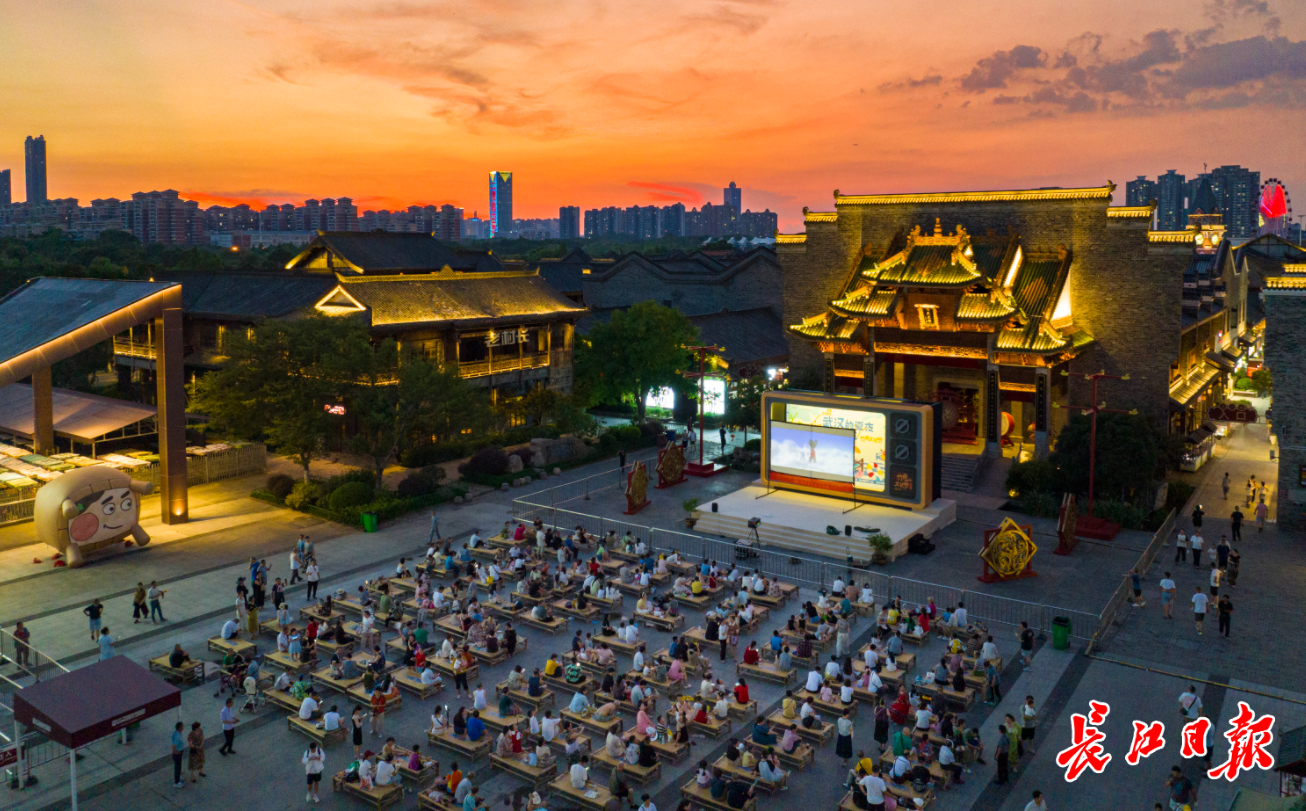
Core Viewpoint - The outdoor movie experience along the Yangtze River in Wuhan has evolved from a simple summer pastime into a vibrant cultural phenomenon, attracting a diverse audience and enhancing the city's nightlife [2][8][16]. Group 1: Outdoor Movie Experience - The outdoor movies are free and set against the scenic backdrop of the Yangtze River, creating a unique and romantic atmosphere for viewers [2][8]. - Popular locations for these outdoor screenings include Hankou Riverside, Wuchang Riverside, and Hanyang Riverside, with a total of seven sites established this year [8][10]. - The outdoor movie events have seen increased attendance, with more people participating than in previous years, indicating a growing interest in this cultural activity [7][8]. Group 2: Community Engagement - The outdoor movie screenings have become a social gathering point, with families and friends coming together to enjoy films while also engaging in local food markets and other activities [7][10]. - The "Bridge Pier Movie" project has introduced a creative viewing experience under the Yangtze River bridges, combining industrial aesthetics with cinematic art [15][16]. - The Bamboo Bed Culture Festival at the Wuhan Garden Expo has also contributed to community engagement, providing a relaxing environment for movie watching [14][16]. Group 3: Innovative Viewing Formats - New formats such as water curtain movies and floating cinemas are being introduced, utilizing Wuhan's unique water resources to enhance the viewing experience [16][20]. - The water curtain movie features a 20-meter high screen that creates a 3D effect, showcasing local cultural elements in an innovative way [20]. - The upcoming floating cinema is set to launch on July 10, 2024, promising an immersive experience for visitors [20].