
城市文化客厅

Search documents
把地铁站打造成“城市文化客厅”
Xin Lang Cai Jing· 2026-01-29 17:44
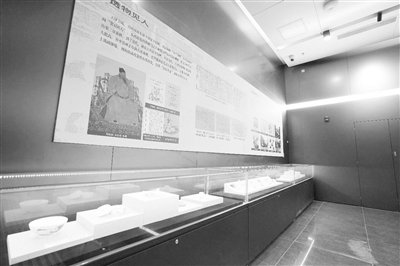
Core Viewpoint - The Tianjin Metro Group has successfully upgraded the "Tianjin Wei Ancient City East City Wall Relic Exhibition Hall" located within the Southeast Corner Station of Metro Line 4, officially opening to the public on January 27. This exhibition hall showcases artifacts from four historical periods, providing a unique cultural experience for commuters and visitors [3]. Group 1 - The upgraded exhibition hall is the first of its kind to protect and display relics on-site within a metro station, allowing for a direct engagement with over 600 years of urban history [3]. - Since its opening on September 30, 2025, the exhibition hall has attracted over 40,000 visitors, including families, history enthusiasts, and tourists [3]. - The integration of cultural exhibits within metro stations enhances the commuting experience, transforming them into "subway museums" that foster a sense of cultural identity and belonging among citizens [3]. Group 2 - Metro culture is highlighted as a vital component of urban culture, with potential for artistic design, innovative service concepts, and diverse public cultural activities to reflect the unique character and humanistic care of a city [4]. - There is an expectation for cities to effectively utilize resources to plan and layout metro stations, aiming to create "urban cultural living rooms" through thematic depth, service optimization, and technological enhancements [4].

让书触手可及,图书馆变“城市文化客厅”
Xin Lang Cai Jing· 2026-01-18 19:30
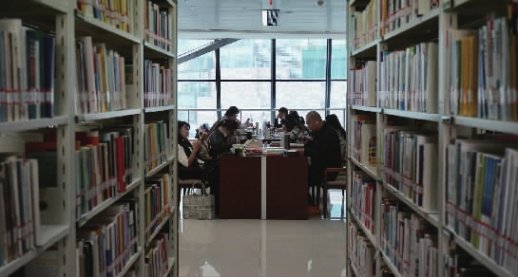
Core Viewpoint - The implementation of the "National Reading Promotion Regulations" on February 1 marks a new phase in institutionalizing nationwide reading efforts, transforming libraries into cultural hubs beyond traditional book lending [5][6]. Group 1: Library Usage and Trends - The Hunan Library has maintained an annual visitor count of approximately 1.4 million over the past three years, with peaks during weekends and school holidays [3]. - The Changsha Library receives over 2 million visitors annually, indicating a stable demand for library services [3]. - Self-study rooms in libraries are often fully occupied, with users sometimes studying in hallways when no seats are available [3][4]. Group 2: Evolving Role of Libraries - Libraries are evolving from mere book lending facilities to "urban cultural living rooms," promoting community engagement and cultural exchange [4]. - The Changsha Library has initiated various programs to bring books into schools and communities, enhancing accessibility and engagement with reading [5]. Group 3: Innovative Services and Offerings - The Changsha Library has developed a comprehensive service system catering to all age groups, including unique activities like "Library Wonderful Night" and "Reading, No One Left Behind" [5]. - The library has introduced smart services, such as digital resource platforms and reading recommendations, making it easier for users to access literature [6]. - Borrowing of art books has increased by over 37% in the past three years, while classic literature, history, and philosophy books remain consistently popular [6].
清远江心岛书院:创新书院+书房+社群,打造“城市文化客厅”
Nan Fang Nong Cun Bao· 2025-07-27 05:01
Core Viewpoint - The Qingyuan Jiangxin Island Academy is innovatively combining traditional education with community engagement to create a "cultural living room" for the city, promoting cultural heritage and reading among the public [7][50]. Group 1: Academy Activities - Recently, students from 35 universities participated in an immersive study tour at the Qingyuan Jiangxin Island Academy, organized by Fudan University and Sun Yat-sen University [2][3]. - The academy hosts over 200 cultural events annually, attracting more than 100,000 participants, and has been recognized as a "base for popularizing humanities and social sciences in Guangdong Province" and a "demonstration site for new era civilization practices in Qingyuan" [9][10]. Group 2: Facilities and Resources - The academy covers an area of 8,000 square meters and features a layout of "one core and eight halls," including a Chinese classics library and various functional rooms for cultural activities [13][14]. - It houses over 30,000 ancient books, including local chronicles and classic works, and integrates digital reading devices to merge traditional texts with modern technology [18][19]. Group 3: Community Engagement - The academy has developed the "Jiangxin Elegant Gathering" cultural brand, offering seasonal courses and activities that connect literature with local history and nature [23][24]. - It has established a "15-minute reading circle" in Qingyuan, creating 2 city-level libraries, 96 town and street branches, and 287 village service points, along with 54 new reading spaces [28][30]. Group 4: Social Impact - The academy's community initiatives include over 200 annual public welfare activities and more than 600 online events, making literature accessible to the public [32][34]. - It collaborates with local centers to conduct educational activities, serving over 20,000 people annually and engaging more than 50,000 youths in traditional cultural practices [46][48]. Group 5: Future Plans - The Jiangxin Island Academy aims to deepen the "Bookish Qingyuan" initiative, enhancing the cultural fabric of the city and integrating into the Guangdong-Hong Kong-Macao Greater Bay Area cultural landscape [49][50].
