大地艺术

Search documents
观察|从蔡国强烟火事件看大地艺术的伦理困境
Xin Lang Cai Jing· 2025-09-21 13:50
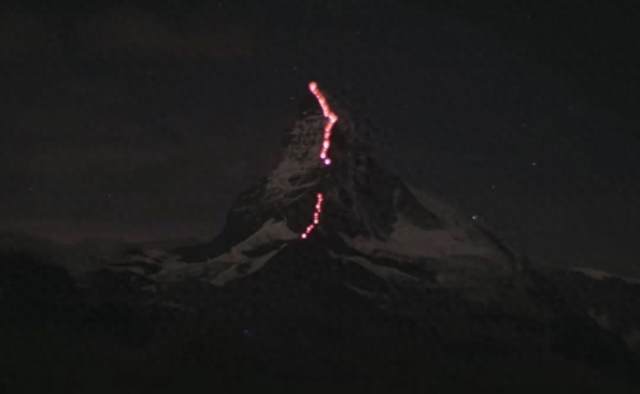
Core Viewpoint - The recent fireworks project "Ascension" by artist Cai Guoqiang in Tibet has sparked public debate regarding the ethical dilemmas inherent in land art, highlighting the intersection of art, commerce, and environmental concerns [1][23]. Group 1: Ethical Dilemmas in Land Art - The event has prompted the art community to reconsider the essence of art and its moral boundaries, particularly in the context of large-scale environmental art projects that often rely on substantial capital support [1][4]. - The collaboration between the "Ascension" project and a well-known outdoor brand exemplifies how artistic expression can become a tool for green marketing, potentially neglecting the equal relationship between humans and nature [1][4]. - Historical examples of land art, such as Christo and Jeanne-Claude's works, demonstrate a commitment to environmental sustainability and minimal ecological impact, contrasting with the current project's approach [5][9]. Group 2: Comparisons with Previous Art Projects - Comparisons have been drawn between the "Ascension" fireworks display and previous light shows, such as Mammut's light display on the Matterhorn, which had a significantly lower environmental impact [2][4]. - The use of light in past projects has been shown to be less intrusive than fireworks, raising questions about the appropriateness of different artistic mediums in natural settings [2][4]. Group 3: Evolution of Land Art - Land art emerged in the 1960s as a rebellion against the commercialization of art, with artists seeking to break boundaries between art and life, and between the artificial and the natural [4][9]. - The shift from individual land art pieces to land art festivals reflects a growing emphasis on community engagement and local revitalization, as seen in Japan's Echigo-Tsumari Art Triennale [14][18]. - Contemporary land art in China integrates unique philosophical and aesthetic perspectives, emphasizing harmony with nature rather than confrontation [16][18]. Group 4: Future Directions for Land Art - The "Ascension" project raises critical questions about the balance between artistic expression, commercial interests, and ecological protection, indicating a need for a reevaluation of values and ethical standards in land art [23][31]. - Experts suggest that future land art should prioritize low-impact principles and ecological restoration, viewing nature as a collaborative partner rather than a canvas for human expression [29][31].

钱塘:田园里的点睛之笔
Hang Zhou Ri Bao· 2025-09-04 01:57
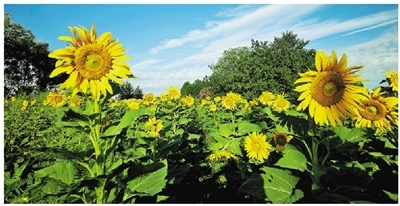
Group 1 - The article highlights the integration of technology in agriculture, showcasing the use of drones for crop protection and harvesters for efficient farming practices [2] - The "Dadi Art" initiative in Hezhuang Street features over ten artistic installations in the countryside, enhancing the aesthetic appeal of rural areas [2] - The vibrant sunflower fields along the roadside symbolize the beauty of rural life and attract attention from passersby [2]