契丹文化

Search documents
绿釉凝香伴牧歌
Xin Lang Cai Jing· 2026-02-12 20:33
(来源:内蒙古日报) 辽朝由契丹建立,起源于西拉木伦河和老哈河流域。契丹人最初过着逐水草而居的游牧生活。那时,我 的家族成员是兽皮做的皮囊。人们将兽皮鞣制后,用皮线缝合成一只口袋,再缀上牢固的皮环。有了皮 环,它们就可以挂在主人腰间或者系在马鞍边。 随着社会的发展,契丹人逐步形成农耕定居的生活方式,在与中原人的频繁交往中,他们学会了瓷器烧 造技术。制作我的匠人便师承中原工匠。 那是一个清风徐徐的夜晚,腰间围着皮围裙的匠人拿起一块陈腐好的泥料,放在木质转盘中央,脚踩踏 板,转盘便缓缓转动起来。他用粗大的双手按在泥料上,拇指不断从中心向下压,开出我腹部的雏形, 双手又顺着泥壁向上提拉,我的身体在他指端逐渐呈现马鞍状,这是我们鸡冠壶家族的经典形制。 匠人又拿起一块泥料,搓成细条,在我身体一侧捏出斗笠形盖子,蘑菇形盖钮,又用细竹片在我身体两 侧压出一道道细密的纹路,我便像由三片兽皮缝合、有清晰针脚的皮囊。匠人还刻意在我的"鸡冠"上锥 了两个洞,这样我就更像曾经被挂在马鞍上的皮囊了。 我的泥胎被阴干后,匠人用薄如蝉翼的修坯刀将我壶口边缘削得光滑圆润,又刮掉我肚子上多余的泥 料。在我的腹部刻了葡萄纹,这个借鉴中原瓷器的纹 ...
文博日历丨天儿冷想吃涮羊肉?但不许打它的主意!
Yang Shi Xin Wen· 2025-11-17 02:58
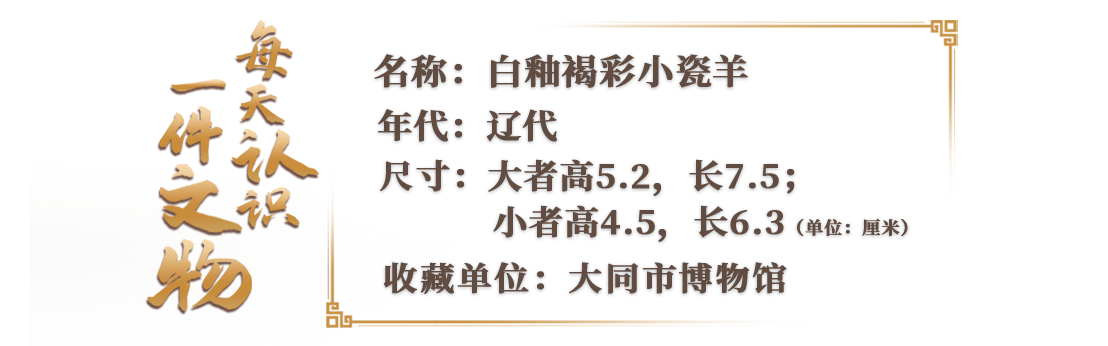
Core Viewpoint - The article highlights the cultural and historical significance of the "Little Fat Sheep" porcelain figurines from the Liao Dynasty, emphasizing their artistic value and connection to the nomadic lifestyle of the Khitan people [6][15]. Group 1: Cultural Significance - The "Little Fat Sheep" figurines are considered "cute cultural relics" from the Liao Dynasty, resembling modern blind box toys in size [6]. - These figurines reflect the Khitan people's affection for animals, capturing their essence in porcelain [11]. - The sheep symbolize wealth and auspiciousness in ancient Chinese culture, representing good fortune and harmony [18]. Group 2: Artistic Techniques - The figurines feature a unique "polka dot" design, combining white glaze with brown spots, showcasing a blend of traditional and innovative decorative techniques [13][15]. - The creation process involves applying white clay, painting with iron oxide pigments, and firing at high temperatures to achieve the final color effects [14]. - The decorative techniques used in Liao Dynasty porcelain evolved from traditional ceramic methods, highlighting the artistic heritage of the Khitan people [15]. Group 3: Economic Context - In the Liao Dynasty, sheep were considered a form of hard currency, essential for the nomadic lifestyle and economic stability of the Khitan people [16]. - Sheep and horses were vital for the Khitan's clothing, food, and transportation, serving as significant economic resources [16]. - The figurines not only represent artistic expression but also embody the economic and cultural values of the Khitan society [18].