安全换安全的捆绑方案

Search documents
美乌安保协议“基本就绪”,俄方报复行动仍在持续,俄乌边打边谈令欧洲煎熬
Huan Qiu Shi Bao· 2026-01-09 22:37
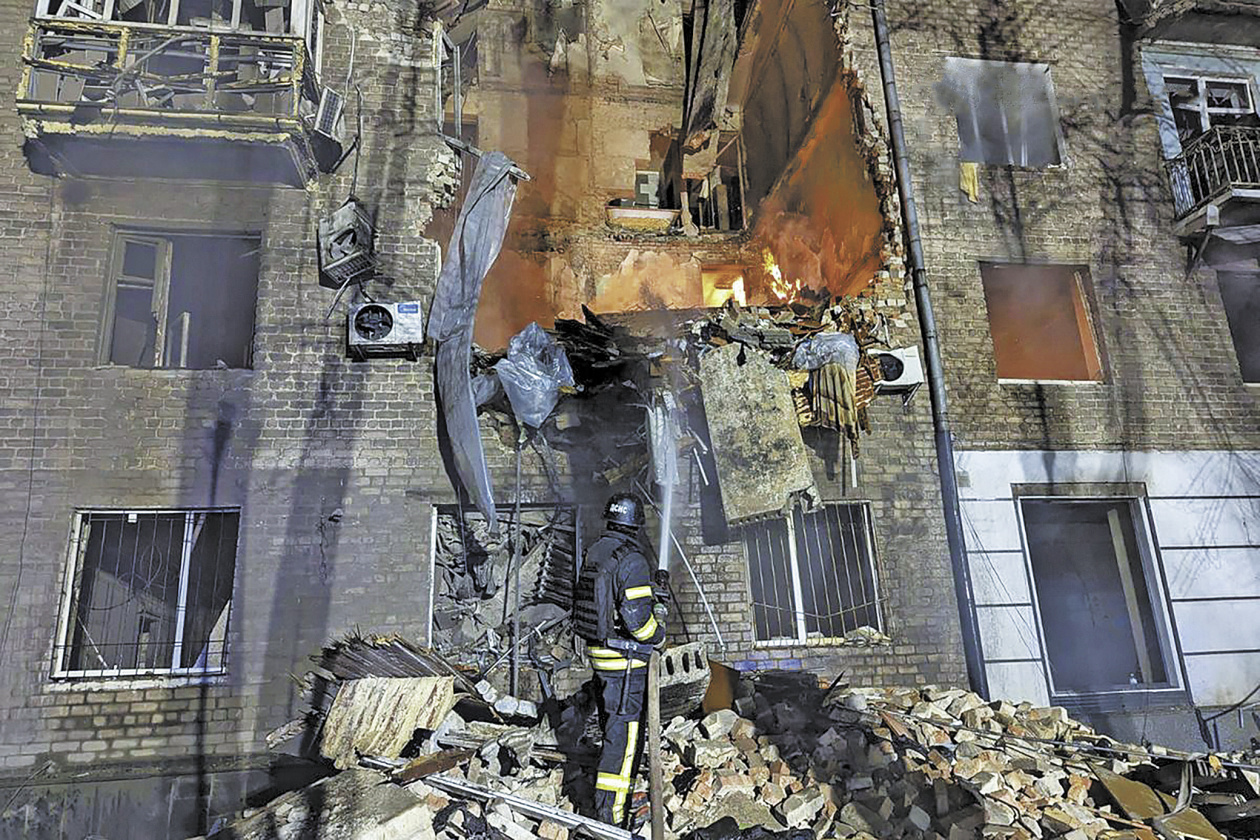
Core Viewpoint - Russia has launched a large-scale retaliatory strike against Ukraine, marking an escalation in the ongoing conflict, with significant implications for regional security and international relations [1][3][4]. Group 1: Military Actions - The Russian Ministry of Defense announced a retaliatory strike using high-precision weapons, including "Zircon" hypersonic missiles and drones, targeting key facilities in Ukraine [3]. - Reports indicate that on the morning of the 9th, Russia launched 36 missiles and 242 drones, resulting in damage to residential buildings in Kyiv and casualties [3][4]. - The primary target of the strikes was a strategic gas storage facility in Lviv, which holds over 50% of Ukraine's total gas storage capacity, raising concerns about European security [4]. Group 2: Diplomatic Developments - Ukrainian President Zelensky stated that a bilateral security agreement with the U.S. is "basically ready," indicating ongoing diplomatic efforts despite the military escalation [5]. - U.S. officials, including special envoys, are engaged in discussions with Russian representatives regarding a peace plan, although no clear commitment from Russia has been made [5]. - The Russian Foreign Ministry has dismissed the Western-backed "volunteer alliance" as a means to escalate military conflict rather than achieve lasting peace [6][7]. Group 3: Regional Implications - The conflict poses a significant threat to European security, with potential repercussions for NATO and EU relations, particularly concerning U.S. involvement in European security matters [4][8]. - German Chancellor Merz emphasized that any security guarantees for Ukraine require Russian consent, highlighting the complexities of achieving a ceasefire [8]. - There are concerns that the ongoing conflict may lead to a prolonged military engagement, with indications that peace negotiations are being deliberately obstructed [8].