市井美学

Search documents
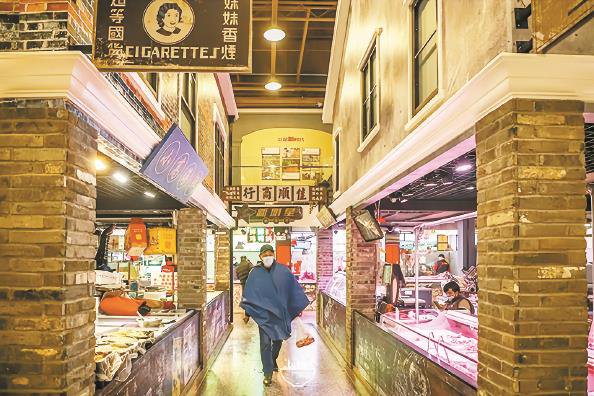
从“菜篮子”到“会客厅”,申城菜场重塑市井美学
Xin Lang Cai Jing· 2026-01-24 07:16
Core Viewpoint - The transformation of traditional markets in Shanghai into modern community spaces reflects a shift in consumer preferences, with redesigned markets becoming popular among younger demographics and serving as social hubs [15][19]. Group 1: Market Transformation - Since 2017, Shanghai's markets have undergone significant redesigns, with 203 standardized markets expected to be renovated by August 2025, and a target of 500 by 2027, enhancing the "15-minute living circle" for residents [15][19]. - The design approach focuses on balancing historical elements with modern aesthetics, creating spaces that resonate with local culture while meeting contemporary needs [16][18]. Group 2: Community Engagement - New market designs incorporate local cultural references, such as the use of the Fahua Tower's silhouette in the Jiading Yumin Market, fostering a sense of familiarity and community [18]. - Markets are increasingly seen as "community living rooms," where diverse activities and services cater to various age groups, enhancing social interaction and community bonding [19][20]. Group 3: Innovative Features - Markets like the Fumin Neighborhood Huichang Lian Store have introduced features catering to elderly residents, such as community dining areas, while others like the Pudong Bookstore Market blend fresh produce with casual dining options to attract younger visitors [19][20]. - Unique operational models, such as the "day coffee, night wine" concept at the Chongming Bianma Market, illustrate innovative approaches to engage residents throughout the day [20]. Group 4: Design Philosophy - Designers emphasize a human-centered approach, ensuring that market renovations meet the diverse needs of the community while maintaining the essence of traditional market life [19]. - The integration of modern amenities, such as facial recognition lockers and mother-baby rooms, demonstrates a commitment to inclusivity and accessibility for all age groups [20].