心理恐怖

Search documents
影史第一恐怖片,首次国内上映
Xin Lang Cai Jing· 2026-02-06 04:32
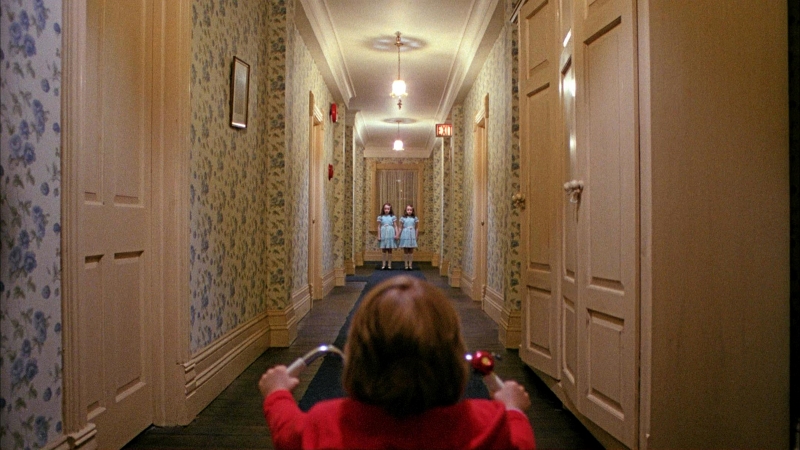
Core Viewpoint - The re-release of "The Shining" in mainland China has sparked significant interest and debate, highlighting its evolution from initial criticism to being regarded as a timeless benchmark in horror cinema [2][4]. Group 1: Initial Reception and Critique - Upon its premiere at Cannes in 1980, "The Shining" faced boos from the audience, with many viewers expressing confusion over its unconventional narrative and abrupt ending [2]. - Critics at the time accused Stanley Kubrick of prioritizing cinematography over storytelling, leading to a backlash from the original author, Stephen King, who felt the film distorted his novel [2][4]. Group 2: Cinematic Techniques and Innovations - Kubrick's use of symmetrical composition and the Steadicam technique in "The Shining" created a unique visual experience, enhancing the psychological horror elements and contributing to the film's unsettling atmosphere [6][8]. - The film's design features, such as the disorienting layout of the hotel and the use of mirrors, serve to amplify the sense of entrapment and madness experienced by the characters [10][12][18]. Group 3: Themes and Symbolism - The narrative intertwines themes of American history and violence, particularly through the hotel's location on a Native American burial ground, which adds depth to the horror elements [16][18]. - The film's portrayal of family dynamics and the descent into madness reflects broader societal issues, making it a microcosm of American culture [20][22]. Group 4: Cultural Impact and Legacy - "The Shining" has influenced numerous films and pop culture references, establishing itself as a cornerstone of horror cinema and inspiring a wide range of parodies and tributes [24][26]. - The film's complex narrative and visual style have led to ongoing analysis and reinterpretation, solidifying its status as a subject of academic and fan discourse [28][29].

问世46年后内地上映,为何说这部电影重新定义了恐怖片
Di Yi Cai Jing· 2026-02-02 09:23
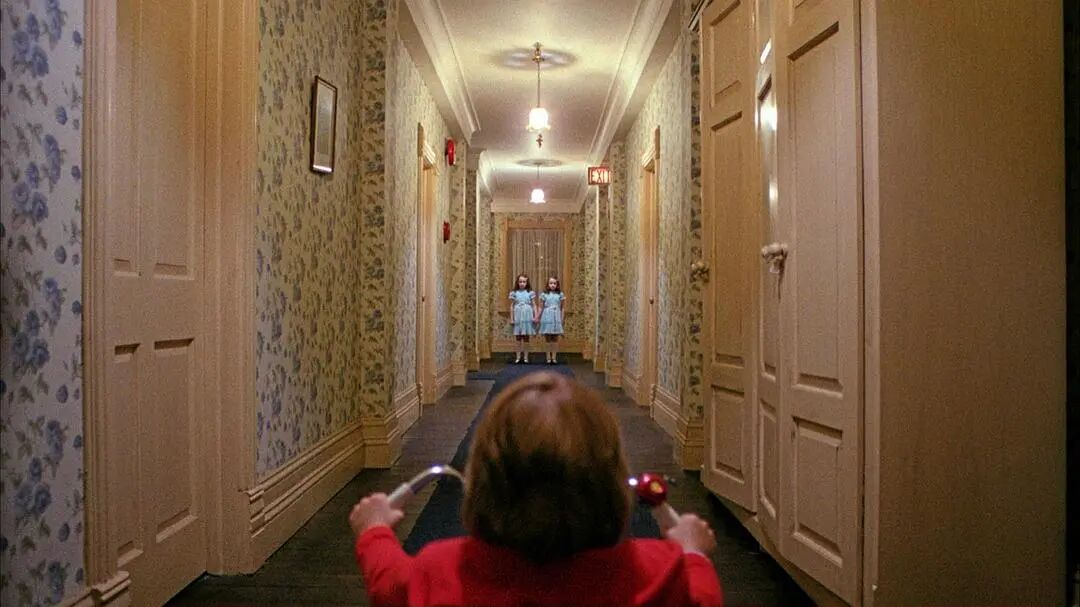
Core Viewpoint - The psychological horror film "The Shining," directed by Stanley Kubrick, explores deep fears related to family breakdown and human distortion, gaining recognition over time despite initial mixed reviews [1][8]. Box Office Performance - "The Shining" has grossed over 19.03 million yuan in China as of February 2, with a projected total box office of 52.09 million yuan [1]. - The film's 4K restoration has enhanced its visual and audio quality, contributing to its appeal, particularly in IMAX format, which accounts for nearly one-third of its box office [1]. Adaptation Differences - The film significantly diverges from Stephen King's original 1977 novel, particularly in the characterization of the protagonist, Jack, who is portrayed as unstable from the beginning in the film [2]. Iconic Scenes and Cultural Impact - The film features memorable scenes and lines, such as Jack's iconic "Here's Johnny!" and the haunting phrase "All work and no play makes Jack a dull boy," which have become cultural symbols [3]. - Elements like the blood-filled elevator and the twin girls have been referenced in popular culture, showcasing the film's lasting influence [10]. Cinematic Techniques - "The Shining" utilized innovative filming techniques, including the use of Steadicam for smooth tracking shots, enhancing the film's oppressive atmosphere [5]. - Kubrick's spatial manipulation creates a sense of unease, contributing to the film's psychological horror [5]. Actor Performances - Jack Nicholson's portrayal of Jack is noted for its memorable transformation from a mild-mannered writer to a deranged killer, while Shelley Duvall's performance as Wendy has been re-evaluated as a genuine depiction of fear and helplessness [6][7]. - The filming process was intense, with Kubrick reportedly pushing Duvall to her limits, which has been a topic of discussion regarding the film's production [6]. Redefining Horror - Upon its release, "The Shining" presented a slow-paced psychological nightmare, focusing on Jack's mental decline rather than traditional horror elements, which was initially seen as unconventional [8]. - The film's themes of madness and isolation have led to extensive analysis and reinterpretation over the years, solidifying its status as a classic [10]. Legacy and Influence - "The Shining" remains a top contender in horror film rankings and has inspired numerous works, including the recent film "Doctor Sleep," which attempts to bridge the gap between King's novel and Kubrick's adaptation [10]. - The film's stylistic approach to horror, relying on atmosphere and psychological tension rather than jump scares, has influenced the genre significantly [10].