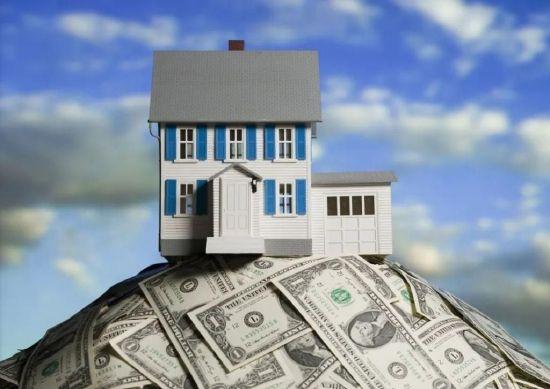
房贷锁定效应

Search documents
美国房贷利率转变:高利率房主数量反超低利率群体
Xin Lang Cai Jing· 2026-01-12 07:08
Core Insights - The number of Americans with mortgage rates above 6% has surpassed those with rates below 3%, marking a significant shift in the housing market dynamics [2][9][10] - This change is crucial as the ultra-low rates during the pandemic have been a key issue in the housing market, leading to a phenomenon known as the "mortgage lock-in effect" where homeowners are reluctant to sell due to the high costs of new loans [10][11] Mortgage Lock-In Effect - The "mortgage lock-in effect" has resulted in reduced housing inventory and soaring prices, as homeowners with low-rate mortgages choose to stay put rather than incur higher costs [10][11] - Nick Gerli, CEO of Reventure, suggests that as average mortgage rates continue to rise, the lock-in effect may weaken, potentially increasing market inventory [11] - Daryl Fairweather from Redfin believes that while the recent shift in mortgage rate demographics may not have an immediate impact, the lock-in effect will likely remain a significant factor in the housing market for the next four to five years [11][12] Housing Market Dynamics - Approximately 40% of homes do not have a mortgage, indicating that the low liquidity of housing supply and rising prices cannot be solely attributed to the lock-in effect [13] - The median home price in the U.S. has increased by about $100,000 since 2019, now exceeding $410,000, largely due to inflation and rising labor and construction costs [13] - The lock-in effect may create a generational gap, as younger individuals feel priced out of the market due to older homeowners holding onto their low-rate mortgages [13] Future Market Predictions - Predictions for the U.S. housing market in 2026 show divergence among analysts: - Reventure forecasts stable overall home prices with regional variations, while Realtor.com anticipates a slight increase in home sales and inventory driven by new construction [13][14] - Zillow expects home sales to rise by over 4% and prices to increase by 1.2%, while the National Association of Realtors predicts a 14% increase in home sales and a 4% rise in prices [14] - Even if the lock-in effect diminishes, potential buyers may not see lower prices due to ongoing inflationary pressures [14]