政治哲学

Search documents
哲学新书联合书单|当一切命中注定,我们还要勇敢吗?
Xin Lang Cai Jing· 2025-09-05 05:53
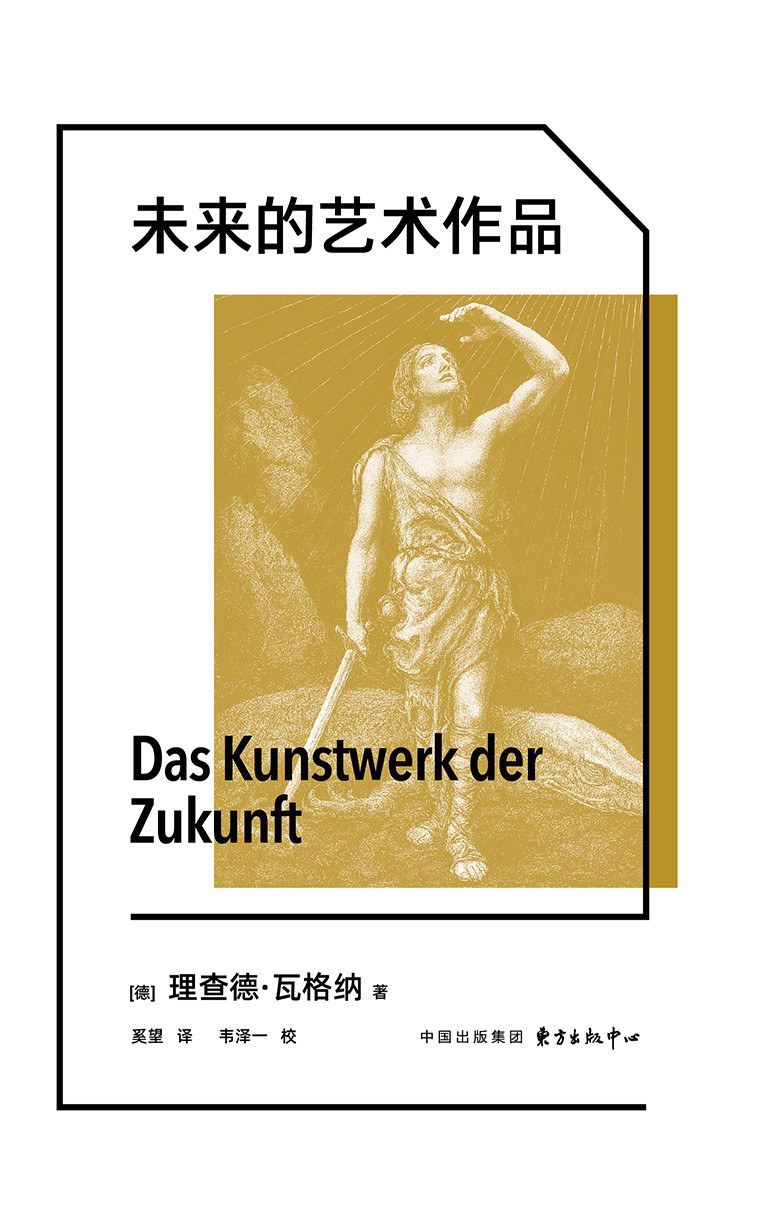
Group 1 - The book "The Future of Artworks" by Richard Wagner introduces the concept of "total artwork," advocating for the integration of various art forms such as music, dance, poetry, and architecture to create a new artistic expression that serves the people and evokes collective spirit [2] - Wagner's work reflects his transformation from a composer to an art reformer, providing a theoretical foundation for his later creations, including "The Ring of the Nibelung" [2] - This book is considered a significant document for understanding 19th-century German philosophy and aesthetics, marking a pivotal moment in Wagner's artistic journey [2] Group 2 - "Basic Principles of Classical Political Philosophy" by Leo Strauss focuses on Aristotle's "Politics," addressing often-overlooked fundamental principles to help students understand the modernity crisis faced during Strauss's time [4] - The book connects Aristotle's ideas with those of Machiavelli, Hobbes, Locke, and Rousseau, systematically explaining the basic principles of classical political philosophy [4] - It aims to provide clarity and effective thinking on the fate of the humanities, which have faced repeated crises throughout history [4] Group 3 - "The Philosophy of Buddhism" discusses the epistemology of various Buddhist schools, emphasizing the inseparable relationship between Buddhist epistemology and liberation theory [5] - The book aims to reveal the nature of suffering in the world while addressing the practical issue of transitioning from suffering to happiness [5] Group 4 - "Introduction to Political Philosophy" by John Simmons covers major issues such as state legitimacy, political obligation, social justice, democracy, and international political philosophy [8] - The book presents a clear and accessible discussion of these significant philosophical positions, integrating arguments from notable philosophers while offering Simmons's own insights [8] - It serves as a valuable introductory text for those interested in political philosophy [8] Group 5 - "Resilient Cyborgs" by Nelly Oudshoorn explores the relationship between implanted devices like pacemakers and defibrillators and the resilience techniques developed by their users [11] - The book argues against the notion that users of these devices are passive, highlighting the active participation required to maintain life with such technologies [11] - It discusses how these devices impact the process of dying and introduce new vulnerabilities in the body [11] Group 6 - "Permanent Crisis: The Humanities in a Disenchanted Age" examines the ongoing crisis in the humanities, drawing parallels between contemporary and historical challenges faced by humanists [13] - The authors encourage a critical historical perspective to move beyond general concerns and engage in clearer, more effective discussions about the humanities' future [13] Group 7 - "Metaphors We Live By" by George Lakoff and Mark Johnson presents a groundbreaking study on the role of metaphors in human thought and language [17] - The book argues that metaphors are not merely linguistic expressions but fundamental to human cognition, shaping our understanding of various concepts [17] - It explores the implications of metaphorical thinking on our perceptions, behaviors, and interactions with the world [17] Group 8 - "The Hedgehog and the Fox" by Isaiah Berlin analyzes Tolstoy's historical philosophy through the lens of a Greek proverb, distinguishing between two types of thinkers [34] - The book delves into the paradox of Tolstoy's self-perception as a hedgehog while embodying the characteristics of a fox, offering insights into historical understanding and human psychology [34] - This work has been influential and remains relevant in discussions of philosophy and history [34] Group 9 - "Heideggerian Marxism" by Herbert Marcuse compiles eight essays that critically examine historical materialism, dialectics, and the philosophical foundations of the concept of labor [36] - The essays reflect on German philosophy and provide a unique perspective on modernity issues, showcasing Marcuse's depth of thought on Marxist philosophy [36] Group 10 - "La Philosophie Devenue Folle" by Jean-François Braunstein critiques contemporary social issues such as gender fluidity, animal rights, and euthanasia, questioning the implications of these movements [38] - The book discusses how well-intentioned ideas can lead to absurdities and societal divisions, challenging the notion of political correctness in the West [38] - It highlights the need for critical examination of these topics to avoid exacerbating social chaos [38] Group 11 - "The Visible and the Invisible" by Maurice Merleau-Ponty reflects on his earlier phenomenological work and explores new ontological questions [39] - The manuscript, left unfinished due to the author's untimely death, emphasizes the ongoing nature of philosophical inquiry and the mystery of existence [39] - It suggests that true philosophy lies in the continuous process of re-examining the world [39] Group 12 - "Play to Submission" by Wu Tongyu investigates how tech companies in Silicon Valley manipulate engineers' motivations through gamification [41] - The book reveals how the blurring of work and leisure leads to high-intensity work patterns while maintaining creativity, ultimately resulting in burnout [41] - It critiques the hidden intentions behind gamified work environments that exploit labor while presenting an engaging facade [41] Group 13 - "Rewriting the Soul" by Ian Hacking examines the rise of multiple personality disorder in contemporary society, exploring its implications for identity and memory [45] - The book analyzes how societal, cultural, and medical frameworks construct the understanding of mental illness, particularly in the context of multiple personalities [45] - It reflects on the broader questions of self, trauma, and the nature of scientific inquiry [45]

李公明︱一周书记:分析哲学与……面向“生活实践”的自觉
Xin Lang Cai Jing· 2025-08-21 05:58
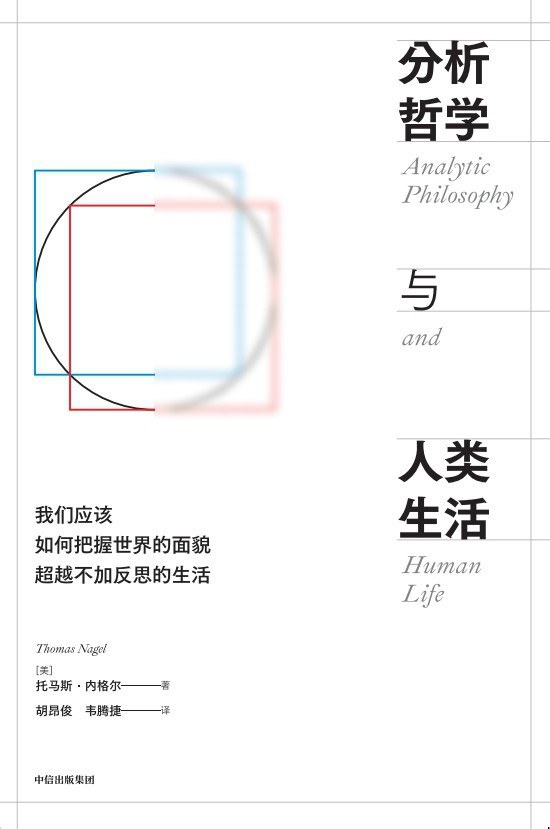
Core Insights - The book "Analytic Philosophy and Human Life" by Thomas Nagel is a collection of essays that reflect on significant philosophical themes such as ethics, morality, and the human condition, primarily through book reviews and tributes [3][4][10] - Nagel emphasizes the importance of connecting philosophical inquiry with practical life, advocating for a philosophy that addresses real-world issues and values [2][10] - The essays explore the evolution of analytic philosophy and its intersections with political philosophy, ethics, and the philosophy of life, highlighting Nagel's unique approach to these subjects [4][5][6] Summary by Sections Overview of the Book - "Analytic Philosophy and Human Life" is a compilation of essays primarily published in the New York Review, discussing major philosophical issues relevant to contemporary human experiences [3] - The essays are largely written in the last decade and remain relevant, addressing topics such as ethics, moral psychology, and the nature of reality [3][4] Nagel's Philosophical Journey - The first essay summarizes Nagel's journey in philosophy, influenced by figures like Ludwig Wittgenstein and J.L. Austin, and his development from analytic philosophy to political and life philosophy [4][5] - Nagel identifies three significant branches of analytic philosophy: the connection between philosophy and science, the revival of moral and political philosophy, and a renewed interest in life philosophy [5][6] Critique of Analytic Philosophy - Nagel critiques the limitations of analytic philosophy, particularly its tendency towards scientism, which he believes hinders a comprehensive understanding of human experience and values [7][8] - He argues that the subjective aspects of human experience cannot be fully understood through physical or behavioral explanations alone, as discussed in his famous essay "What Is It Like to Be a Bat?" [8] Moral and Political Philosophy - The resurgence of interest in moral and political philosophy since the 1950s is highlighted, with discussions on topics such as the morality of war and the legalities surrounding issues like homosexuality and abortion [9][10] - Nagel's work in public philosophy emphasizes the relationship between individual self-interest and collective welfare, advocating for a form of egalitarian liberalism that balances personal freedom with social justice [10][11] Reflections on Life and Death - The book concludes with reflections on existential questions regarding life, death, and the human condition, acknowledging the complexity of these issues beyond the clarity typically sought in analytic philosophy [11][12] - Nagel expresses interest in the relationship between science and religion, suggesting that philosophical progress lies in deepening our understanding of these profound questions rather than seeking definitive answers [12] Tribute to Tony Judt - The final section pays tribute to historian Tony Judt, discussing his unique perspective on identity, politics, and the need for a critical examination of contemporary issues [20][21] - Judt's work is characterized by a commitment to social democracy and a critique of market capitalism, reflecting a broader concern for the moral and political challenges of modern society [21][22]