文人意趣

Search documents
笔墨为谁嘶鸣?马到自然成功!
Xin Lang Cai Jing· 2026-01-16 18:02
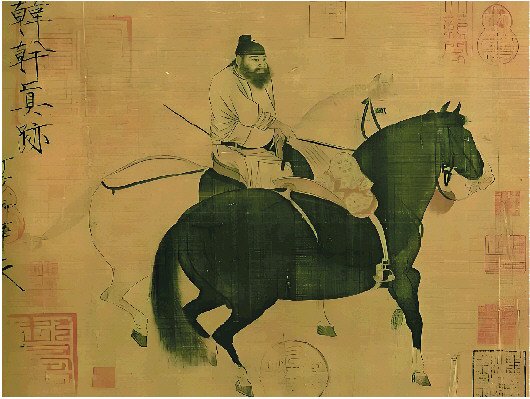
Core Perspective - The upcoming Year of the Horse in the Chinese lunar calendar highlights the deep cultural significance of horses in Chinese art and history, symbolizing strength, speed, freedom, and loyalty [2]. Group 1: Historical Significance of Horses - The relationship between humans and horses began with practical uses but evolved into a cultural and artistic phenomenon, with horses symbolizing power and dreams throughout Chinese history [3]. - Horses have been depicted in various historical contexts, from the mythological tales of the Zhou Dynasty to the grand terracotta army of the Qin Dynasty, reflecting their association with authority and ambition [3][4]. Group 2: Cultural Symbolism - In folk culture, horses represent auspiciousness and are associated with success and vitality, forming a strong cultural foundation for the emergence of horse paintings [4]. - The artistic representation of horses transcends mere animal depiction, embodying the aesthetic values, aspirations, and collective psyche of the era [4]. Group 3: Golden Age of Horse Paintings - The Tang Dynasty marked a flourishing period for horse paintings, characterized by a vibrant culture and the influx of exotic horses from the West, leading to a widespread appreciation for horses among all social classes [6]. - Two distinct aesthetic realms emerged during this period: one celebrating the wild essence of horses, represented by artists like Wei Yan and Han Huang, and the other reflecting courtly ideals, exemplified by artists like Cao Ba and Han Gan [6][7]. Group 4: Artistic Evolution in Song and Yuan Dynasties - The Song Dynasty brought a cultural shift towards introspection and subtlety, leading to a transformation in horse paintings that incorporated literati aesthetics and historical context [9]. - Artists like Li Gonglin introduced a new style of "fine outline" painting, emphasizing line quality and abstract beauty, which shifted the focus from opulence to elegance in horse art [9][10]. Group 5: Challenges and Innovations in Ming and Qing Dynasties - The Ming and Qing Dynasties saw a decline in the creative vigor of horse paintings, as the rise of literati painting and changing societal tastes diminished the genre's appeal [11]. - However, the Qing Dynasty also witnessed the introduction of Western artistic techniques by artists like Lang Shining, which revitalized horse paintings with new perspectives and dimensionality [11][12]. Group 6: Modern Transformation - In the 20th century, Xu Beihong revolutionized horse painting by integrating Western techniques with traditional Chinese aesthetics, using horses as symbols of resilience and national spirit [13]. - His works often depicted dynamic and powerful horses, reflecting the struggles and aspirations of the Chinese people during tumultuous times, thus elevating horse paintings to a modern symbol of national identity [13].