文明观鸟

Search documents
追求“出片”莫以伤鸟为代价
Bei Jing Wan Bao· 2025-12-12 07:18
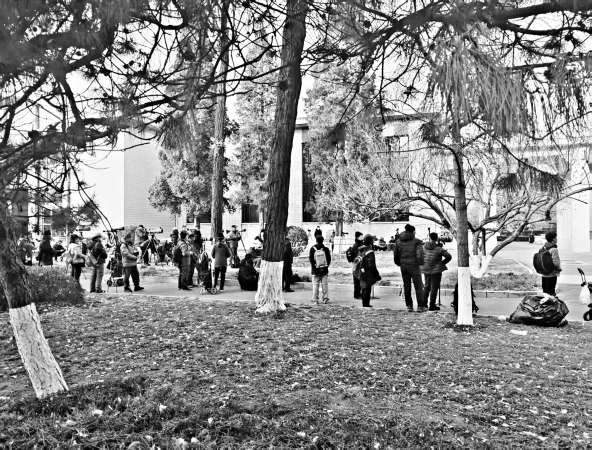
Group 1 - A tragic incident occurred at the National Agricultural Exhibition Center where two Bohemian waxwings died after colliding with reflective glass due to excessive disturbance from birdwatchers [4][5] - The incident highlights the dangers posed by human interference, as the birds were startled by the noise and close proximity of photographers, leading to their fatal collision with the glass [4] - Following the incident, measures were taken to prevent future bird collisions, including the installation of green cloth on the glass and increased security patrols [6] Group 2 - The return of the Great Bustard, a first-class protected species in China, to the Yeyahu Wetland Nature Reserve has been recorded for 21 consecutive years, indicating a stable ecological environment [7] - The Great Bustard is classified as vulnerable, with a population of less than 2,000 individuals in the eastern subspecies, and its presence in the wetland reflects the area's ecological health [7] - The Great Bustard requires specific habitat conditions, and its consistent return to the wetland underscores the importance of preserving such environments for wildlife [7]

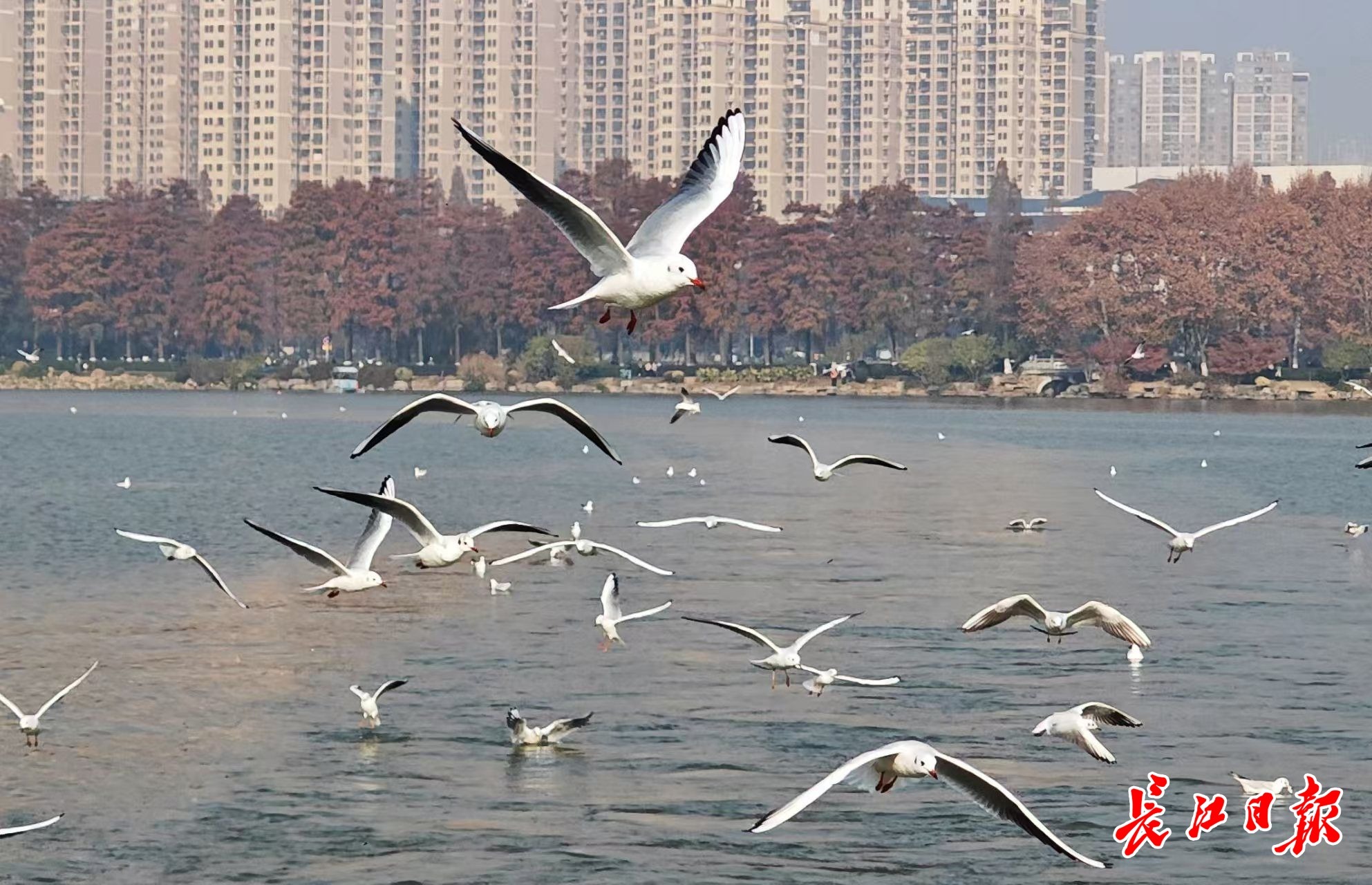
红嘴鸥戏水,青头潜鸭安家,武汉东湖迎来“明星”越冬客
Chang Jiang Ri Bao· 2025-12-09 00:25
Core Viewpoint - The article highlights the arrival of red-billed gulls at Wuhan's East Lake, attracting tourists and creating a vibrant winter scene, despite a delay in the overall migration due to warmer weather [4]. Group 1: Bird Migration and Population - Red-billed gulls, also known as "water pigeons," arrive in Wuhan around mid-November for wintering, staying for about 100 days until their return in March [4]. - Currently, 100 to 200 red-billed gulls have been observed at East Lake, with expectations for a slight increase in early December [4]. - Other lakes in Wuhan, such as Chenhu and Tangxun Lake, host larger populations, with approximately 5,000 and 1,000 gulls respectively [4]. Group 2: Birdwatching and Conservation Efforts - A private "duck-watching route" near East Lake has been recommended, where nearly 2,000 birds, including various duck species, have been observed [5]. - The presence of the globally endangered and nationally protected blue-headed pochard has been noted, with its sightings increasing due to conservation efforts [5][6]. - Conservation measures, such as preserving aquatic plants, have led to the frequent appearance of blue-headed pochards in East Lake, with a recent sighting of a small group of 10 individuals [6]. Group 3: Responsible Birdwatching - Experts emphasize the importance of responsible birdwatching, advising visitors to maintain a respectful distance from the wild birds to avoid altering their natural behaviors [6].