新型PD - 1/VEGF双特异性抗体(bsAb)

Search documents
明宇制药递表港交所:成立以来持续净亏损,尚未从商业产品销售中产生收益
Xin Lang Cai Jing· 2025-11-26 00:11
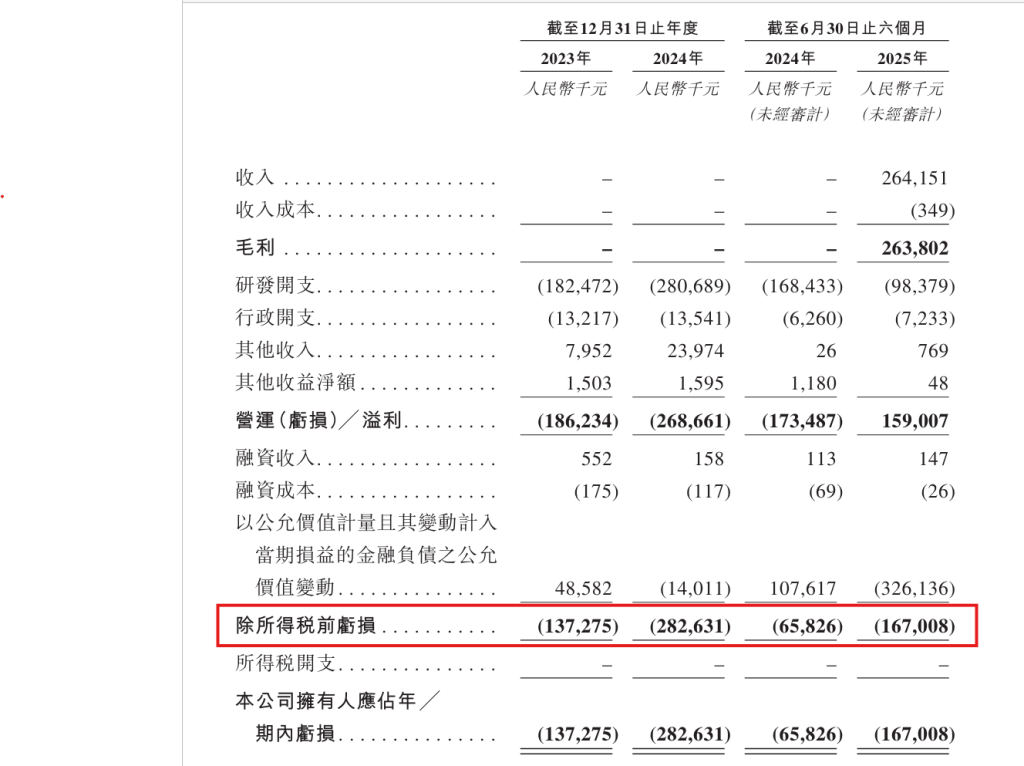
Core Insights - Mingyu Pharmaceutical has submitted its prospectus for an IPO, with joint sponsors including Morgan Stanley, Bank of America Securities, and CITIC Securities [1] - The company, founded in 2018 by former Hengrui executive Cao Guoqing, focuses on developing a robust pipeline of oncology products based on proprietary antibody-drug conjugate (ADC) platforms and a novel PD-1/VEGF bispecific antibody [1][2] - The company has 13 candidate products in its pipeline, with 10 in clinical stages, targeting oncology and autoimmune diseases [1] Product Pipeline - The core product MHB036C targets the TROP2 ADC market, valued at several billion dollars, and is currently in I/II phase trials for non-small cell lung cancer and II phase trials for breast cancer [2] - Another key product, MHB088C, is a potential best-in-class B7-H3 ADC for small cell lung cancer, currently undergoing III phase trials for second-line treatment [2] Financial Performance - The company has reported continuous net losses since its inception, with projected losses of RMB 1.373 billion, RMB 2.826 billion, and RMB 658 million for the years 2023, 2024, and the first half of 2025, respectively [4][6] - Revenue is expected to be approximately RMB 264 million in the first half of 2025, primarily from a licensing agreement with Qilu [3][4] Cash Flow and Financing - The company has consumed significant cash since its establishment, with net cash outflows from operating activities of RMB 1.43 billion, RMB 1.456 billion, and RMB 887 million for the years 2023, 2024, and the first half of 2024, respectively [9][11] - As of June 30, 2025, the company recorded net liabilities of RMB 12.862 billion and current liabilities of RMB 13.134 billion, indicating potential liquidity risks [10] Supplier Relationships - The company relies heavily on a few suppliers for its research and development activities, with the top five suppliers accounting for 49%, 58.6%, and 54% of total procurement in the respective years [8] Ownership Structure - Post-IPO, the company will not have a controlling shareholder, with the largest shareholder group holding approximately 36.27% of the voting rights [12]