旅行安全

Search documents
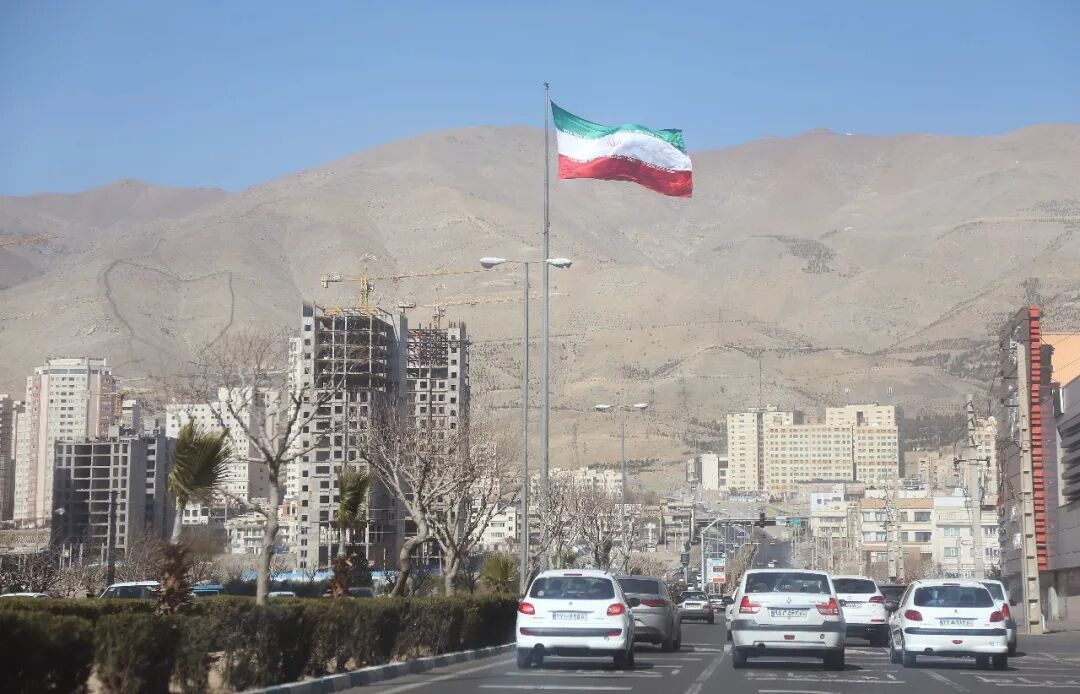
德国、瑞典、斯洛伐克,警告公民勿赴伊朗
Xin Lang Cai Jing· 2026-02-22 04:33
Group 1 - Germany, Sweden, and Slovakia have issued travel warnings urging their citizens to avoid traveling to Iran and to leave the country if already present [1][3] - The German embassy in Iran has updated its travel advisory, stating that the security situation in Iran is extremely unstable and that the embassy can only provide limited consular assistance [1] - Sweden's Foreign Minister has emphasized the high uncertainty of the situation in Iran and has maintained the highest level of travel warning, advising citizens to leave immediately [3] Group 2 - Slovakia's embassy in Iran has also warned its citizens against traveling to Iran, citing the deteriorating security situation in the region and advising those still in Iran to stay informed and avoid large gatherings [3]

中国驻肯尼亚使馆提醒中国公民春节假期注意旅行安全
Zhong Guo Xin Wen Wang· 2026-01-08 07:38
Group 1: Travel Preparation - Travelers to Kenya must apply for an Electronic Travel Authorization (eTA) before arrival, with specific requirements for different passport types [2] - It is essential to check the validity of passports, which must be valid for at least six months beyond the date of departure from Kenya [2] - Travelers should be aware of Kenya's strict regulations regarding the import of certain items, including a ban on plastic bags and restrictions on tobacco and alcohol [2] Group 2: Transportation Safety - Foreign tourists are advised against self-driving or using public transport due to the high accident rates and different driving rules in Kenya [3] - It is crucial to check vehicle conditions before travel and ensure all passengers wear seatbelts [3] - Travelers should remain vigilant and avoid displaying valuables in vehicles [3] Group 3: Personal Safety - Hotel guests should familiarize themselves with safety features and report any hazards to hotel management [4] - It is recommended to travel in groups and avoid areas with poor hygiene or high crime rates [4] - Important documents should be kept secure, and travelers should have copies of their passports [4] Group 4: Wildlife and Nature Safety - Visitors to natural attractions should adhere to park regulations and follow the guidance of tour guides to avoid dangerous encounters with wildlife [5] - It is prohibited to disturb or feed animals in protected areas [5] Group 5: Weather and Health Precautions - Travelers should monitor weather conditions, especially during the rainy season, and have contingency plans for emergencies [6] - Awareness of health risks such as malaria and cholera is essential, along with taking preventive measures [6] Group 6: Legal and Cultural Compliance - Tourists are encouraged to respect local laws and customs, including restrictions on smoking and photography in sensitive areas [7] - Engaging in friendly interactions with local residents is advised to promote positive cultural exchange [7] Group 7: Emergency Contacts - Important emergency contact numbers include local police and medical services, as well as the Chinese embassy in Kenya for consular assistance [8]
自然灾害与治安事件多发,驻日本大使馆再发提示
财联社· 2025-08-18 02:08
Core Viewpoint - The article highlights the increasing trend of safety incidents involving Chinese citizens in Japan, including assaults and telecom fraud cases, and emphasizes the need for enhanced self-protection awareness among travelers and residents [1][2]. Group 1: Local Climate Awareness - Japan frequently experiences natural disasters; travelers should check weather alerts and disaster information before departure and consider downloading the "Safety tips" app for real-time updates [3]. - In case of disasters, it is advised to follow local guidelines for evacuation and to register with the "Chinese Consulate APP" or WeChat "Chinese Consulate" mini-program for emergency contact and consular assistance [3]. Group 2: Safety Precautions - Due to the rise in assault cases against Chinese citizens, the Chinese Embassy in Japan has formally requested the Japanese government to ensure the safety and legal rights of Chinese nationals [4]. - Travelers and residents are urged to avoid areas with complex crowds and to remain calm in the face of discrimination or disputes, ensuring personal safety and preserving evidence [4]. Group 3: Travel Insurance - It is recommended that travelers consider purchasing travel insurance, as those not enrolled in Japan's national health insurance may face exorbitant medical costs in case of emergencies, with some hospitals charging 2-3 times the standard rates for foreign patients [5]. Group 4: Hiking Safety - Local governments have repeatedly warned against climbing Mount Fuji during adverse weather conditions; proper preparation and registration are essential before hiking [6]. - Climbers should be aware of the rapidly changing weather and bring appropriate clothing and necessary equipment such as hiking shoes, trekking poles, and lighting devices [6]. Group 5: Railway Safety - Recent incidents have occurred where Chinese tourists were struck by trains while taking photos on the tracks; it is crucial to avoid unsafe areas and adhere to traffic regulations [8]. - Travelers should be vigilant about their surroundings, especially with children, and refrain from running or playing in unsafe zones [8]. Group 6: Telecom Fraud Prevention - The article warns that Chinese government departments and embassies will not contact citizens via phone regarding criminal allegations or important documents, and any requests for personal information or money transfers are likely scams [9][10]. - Citizens are advised to reject such requests and verify any suspicious communications with the embassy [10].