智能体生态框架

Search documents
OPPO发布新AI操作系统,首发搭载Find X9系列、一加15等机型
Guo Ji Jin Rong Bao· 2025-10-15 14:02
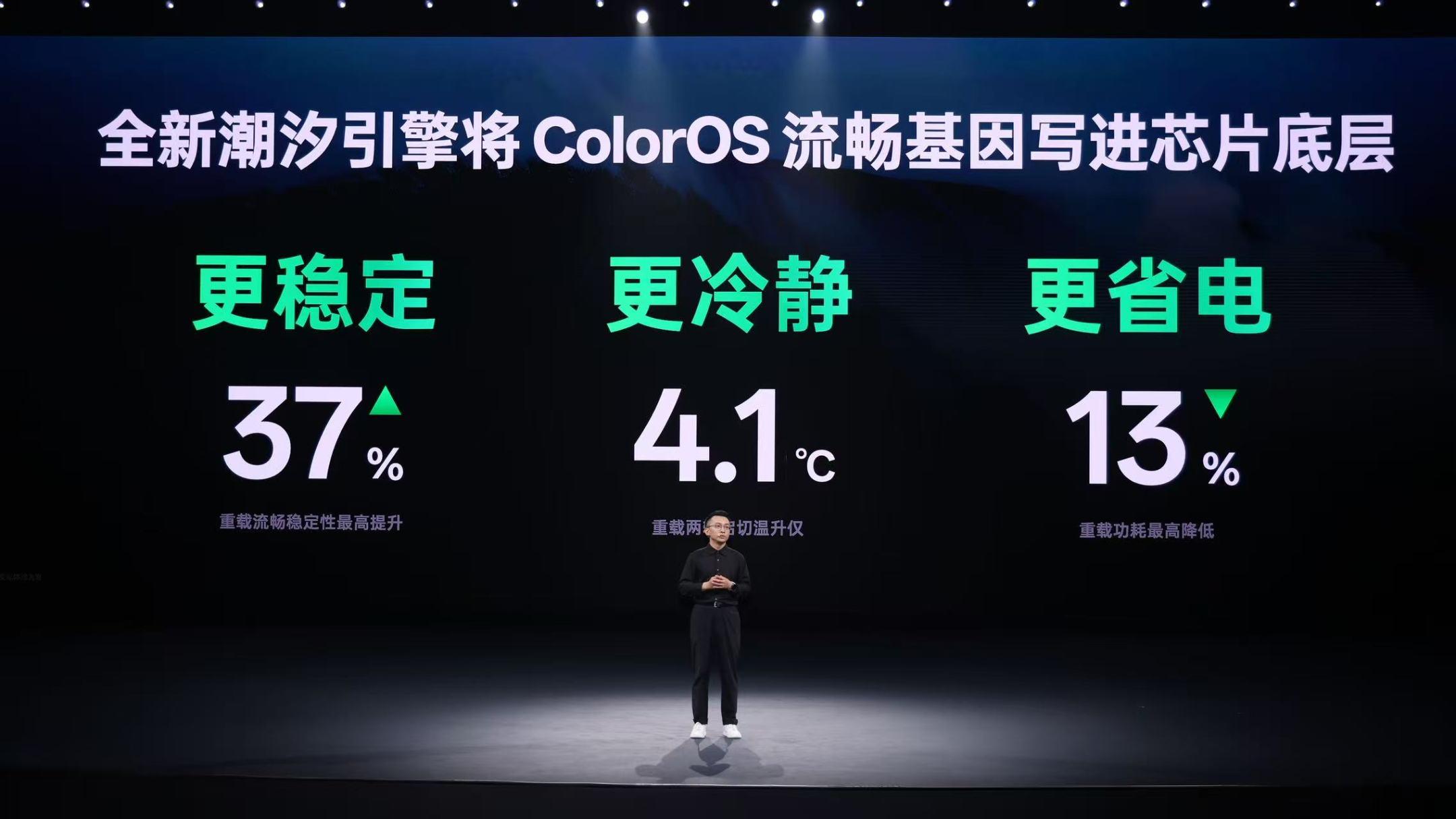
Core Insights - The competition in the smartphone industry is shifting from hardware performance to software experience as marginal improvements in hardware become less significant [1] - OPPO has launched its new mobile operating system, ColorOS 16, at the 2025 OPPO Developer Conference, emphasizing a seamless and smooth user experience [1][2] - ColorOS 16 integrates three core technology engines: Aurora Engine, Tidal Engine, and Star Compiler, to enhance system-level fluidity [1][2] Software Experience Enhancements - The Aurora Engine introduces the first seamless architecture on the Android platform, allowing for integrated rendering and distributed response scheduling, achieving a smooth interaction experience [1] - The Tidal Engine features chip-level dynamic frame tracking technology, improving fluidity by 37% and reducing power consumption by 13% during system overload scenarios [2] - The Star Compiler utilizes a unique Android cross-level fusion compilation technology, enabling mid-range devices to achieve performance comparable to flagship models [2] Cross-Device Connectivity - ColorOS 16 will be initially available on upcoming devices such as the OPPO Find X9 series and OPPO Pad 5, and it breaks down brand ecosystem barriers by allowing OPPO phones to receive calls and notifications from iPhones [4] - The system supports seamless connectivity with AirPods, including native noise control and spatial audio features [4] - The upgraded cross-screen interaction allows users to mirror their phone screens to computers and transfer files easily, enhancing multi-device collaboration efficiency [5] AI Strategy - OPPO has introduced a new AI strategy based on three technological foundations: On-Device Compute, PersonaX memory engine, and Agent Matrix ecosystem [5] - On-Device Compute focuses on high-density models and performance frameworks for mobile AI applications, achieving peak inference performance of 300 tokens/s [5] - PersonaX is a user-centered multi-modal memory engine that deeply understands user behavior across various dimensions, creating a "smart AI" capability [5] - The Agent Matrix framework enables cross-device collaboration for AI agents, enhancing user interaction through complex task planning and seamless device integration [5]