智能化治理

Search documents
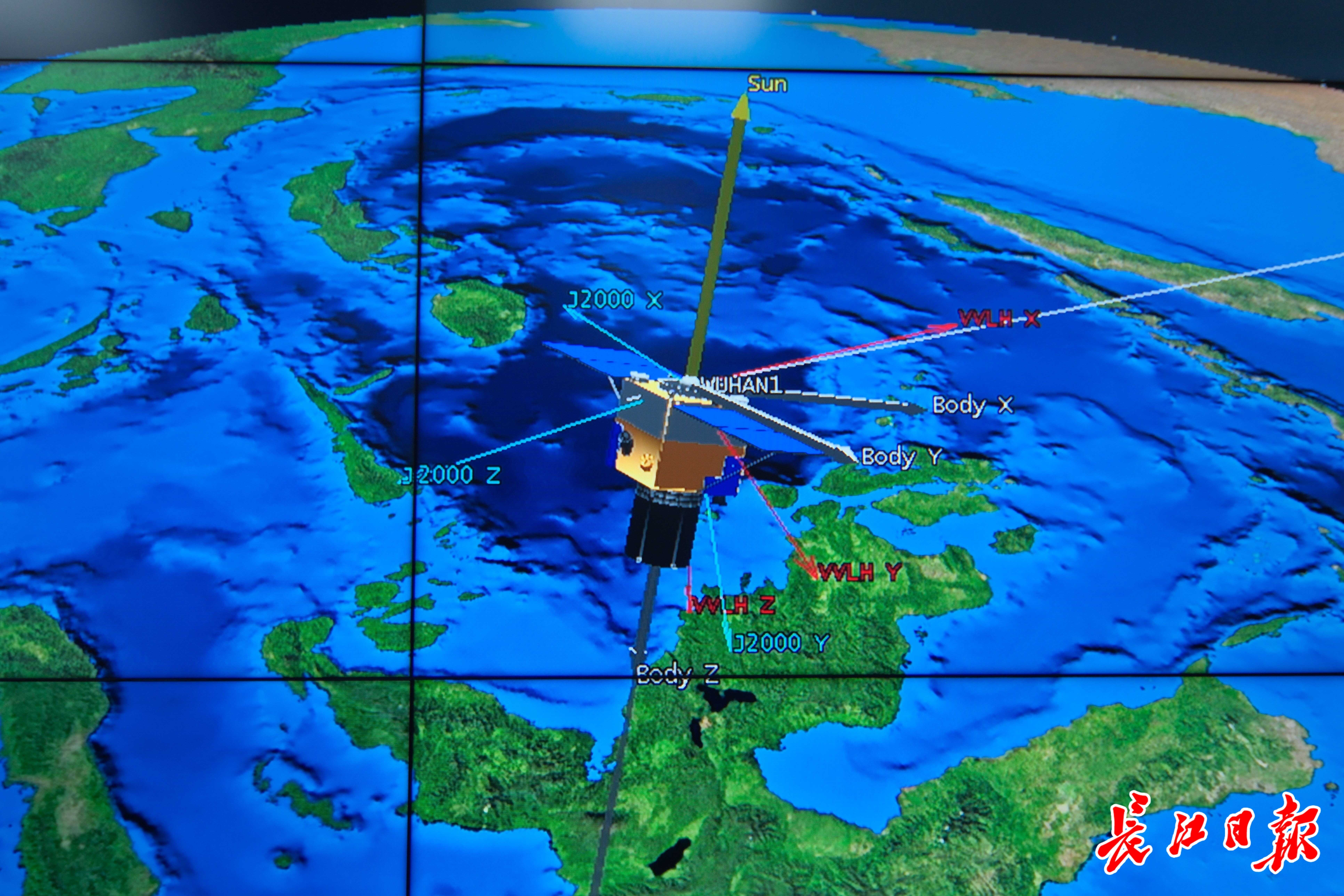
“武汉一号”成为城市治理“天眼” 武汉地图实现每月更新
Chang Jiang Ri Bao· 2025-12-25 01:04
Core Viewpoint - The "Wuhan No. 1" satellite is a comprehensive intelligent remote sensing satellite that significantly enhances urban management capabilities through high-frequency data acquisition and advanced imaging technologies [6][7]. Group 1: Satellite Features and Capabilities - "Wuhan No. 1" satellite features a high resolution of 0.5 meters, 10 meters for hyperspectral, and 30 meters for infrared imaging, along with video and night imaging capabilities [6]. - The satellite operates in a sun-synchronous orbit, allowing for continuous monitoring of urban dynamics, with a maximum coverage width of 30 kilometers during its 10-minute imaging window over Wuhan [6]. Group 2: Applications and Impact - The satellite is positioned to serve as a "heavenly eye" for urban governance, improving precision and efficiency in disaster warning, engineering supervision, and environmental protection [7]. - The satellite's data will support the "monthly update" goal for Wuhan's maps, enhancing urban planning and management [6]. Group 3: Collaborative Projects and Innovations - The "Wuhan No. 1" satellite is part of a project that integrates satellite data with drone technology for periodic monitoring of urban land use violations, marking a significant step in the fusion of satellite applications with urban governance [8]. - The collaboration aims to leverage the satellite's high-frequency imaging and the drone's rapid response capabilities for dynamic monitoring and precise alerts regarding land use changes [8].


“武汉一号”,实现武汉地图月度更新
Chang Jiang Ri Bao· 2025-12-18 09:03
Core Viewpoint - The "Wuhan No. 1" satellite is a comprehensive intelligent remote sensing satellite that is set to enhance urban management and disaster response capabilities through high-frequency data acquisition and advanced imaging technology [6][11]. Group 1: Satellite Features and Capabilities - "Wuhan No. 1" satellite has a high resolution of 0.5 meters, 10 meters for hyperspectral, and 30 meters for infrared imaging, along with video and night imaging capabilities, placing it at an international leading level among similar satellites [6]. - The satellite operates in a sun-synchronous orbit, allowing it to continuously monitor urban dynamics and achieve a monthly update of Wuhan's maps by utilizing a 10-minute imaging window during each pass over the city [11]. Group 2: Applications and Impact - The satellite's data acquisition capabilities are expected to significantly improve the precision and efficiency of urban management in mega-cities, with applications in disaster warning, engineering supervision, and environmental protection [11]. - The "Wuhan No. 1" satellite is part of a broader initiative, with its data being integrated into a collaborative monitoring project with drones for periodic monitoring of urban land violations, showcasing the innovative fusion of satellite applications and urban governance [14][15].