本草文化

Search documents
本草有韵 人间有味
Xin Lang Cai Jing· 2026-01-29 18:46
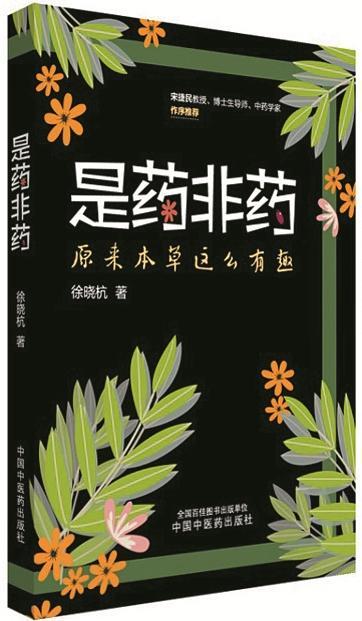
Core Viewpoint - The book "Is Medicine, Not Medicine" by Xu Xiaohang explores the rich history and cultural significance of traditional Chinese medicine (TCM), emphasizing its deep-rooted connection to Chinese society and its multifaceted applications beyond mere healing [2][3][4]. Group 1: Cultural Significance of TCM - TCM is portrayed as a magical system where plants, animals, and minerals serve medicinal purposes, reflecting a profound cultural heritage [2]. - The narrative includes historical anecdotes and folklore related to various herbs, showcasing their legendary past and the beauty of Chinese customs [2][3]. - The book illustrates how TCM has influenced various aspects of life, from the elite to common folk, highlighting its universal relevance [3]. Group 2: Culinary Applications of Herbs - The author presents culinary uses of herbs, such as the preparation of dishes like Fuling cakes and lotus leaf rice, which enhance the enjoyment of food while integrating TCM principles [3][4]. - The text emphasizes the idea that food can serve as medicine, aligning with the philosophy that dietary choices can impact health positively [4]. Group 3: Philosophical Insights - The book conveys life philosophies through the lens of TCM, illustrating how the relationships between different herbs and their preparation methods can reflect broader life principles [4]. - It suggests that understanding and harmonizing various aspects of life, much like the interconnectedness of the body's organs in TCM, leads to a more balanced and fulfilling existence [4].