浪漫之爱

Search documents
清代士人婚姻:礼与情的双重个性
Xin Lang Cai Jing· 2026-02-01 22:24
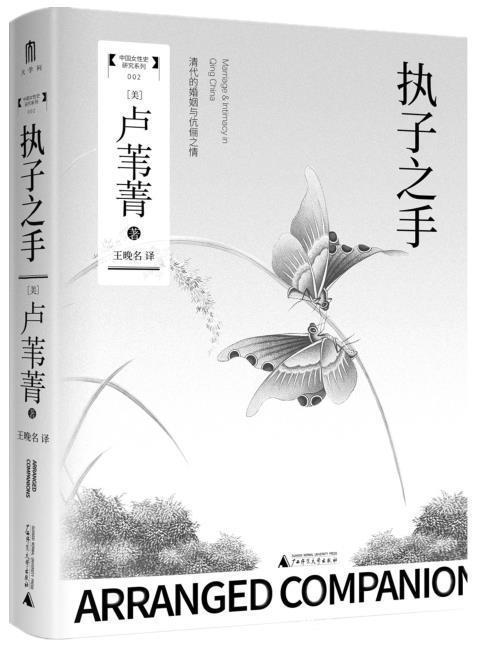
Core Insights - The book "Holding Hands: Marriage and Couple Affection in the Qing Dynasty" challenges the stereotype that arranged marriages lack emotional depth, revealing the diverse emotional experiences of couples within the constraints of traditional marriage [3][4][6] Group 1: Emotional Complexity in Qing Marriages - The author, Lu Weijing, utilizes a wealth of personal documents, including diaries and letters, to explore the intricate emotional landscape of Qing marriages, countering the notion that arranged marriages cannot lead to happiness [4][5] - The duality in Confucian classics is highlighted, where "The Book of Rites" emphasizes the separation of husband and wife, while "The Book of Songs" serves as a source for expressing love and affection, reflecting the complementary aspects of Confucian teachings [4][6] Group 2: Research Methodology - Lu Weijing's research method focuses on personal emotional expressions through private documents, contrasting with other scholars who rely on public historical materials, thus allowing for a more nuanced understanding of ordinary people's voices in history [5][6] - The book emphasizes the development of emotional connections between couples through shared experiences and daily interactions, introducing concepts like "companionate love" and "romantic love" within the context of arranged marriages [5][9] Group 3: Cultural and Social Context - The strict framework of rituals in Qing marriages is acknowledged, yet the book illustrates how couples still formed various intimate relationships, showcasing the spectrum of marital experiences from strict moralists to passionate poets [6][7] - The societal pressures faced by Qing scholars, including the promotion of chastity by the government, are discussed, revealing the tensions and complexities within marriages, including those that did not meet idealized standards [6][7] Group 4: Emotional Dynamics - The book does not romanticize Qing marriages but instead presents the tensions and adjustments that arise when emotional needs conflict with ritual norms, highlighting the practical aspects of companionship that can develop in such contexts [8][9] - The emotional bond between couples is portrayed as a blend of respect and duty, leading to a stable partnership that may not be overtly romantic but is nonetheless significant [9]