涂料市场扩张

Search documents
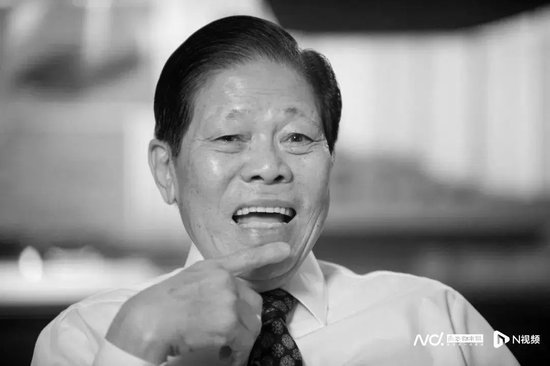
传奇大佬、“立邦”创始人吴清亮逝世!从打工仔白手起家成“亚洲漆王”、新加坡首富
Mei Ri Jing Ji Xin Wen· 2025-08-12 23:34
Core Insights - The founder of Wu De Nan Holdings and the "Nippon" brand, Wu Qingliang, passed away at the age of 98, leaving behind a personal wealth of $13 billion, ranking 182nd on the Forbes global billionaire list in 2025 [1][3]. Company Overview - Wu Qingliang, born in 1927 in Singapore, rose from poverty to become a legendary figure in the business world, known as the "King of Paints in Asia" [3]. - In 1962, Wu's company entered a joint venture with Nippon Paint, Japan's largest paint manufacturer, where Wu's company held a 60% stake [5][6]. - The joint venture, known as the立时集团 (Lishiji Group), allowed Wu to manage all business activities in the Asia-Pacific region, leading to rapid industry expansion and establishing a dominant position in the Asian paint market [6]. Market Expansion - The establishment of diplomatic relations between China and Singapore in 1990 inspired Wu to name his paint brand "立邦" (Luban), symbolizing the connection between the two countries [6]. - The company registered its first entity in China in 1992, becoming one of the earliest multinational enterprises to enter the Chinese market, despite initial challenges [6]. - Today,立时集团 is recognized as the fourth-largest paint manufacturer globally, with over 70 production bases in China and nearly 11,000 employees [7]. Financial Performance - In August 2025, Nippon Paint Holdings reported a 4.3% year-on-year increase in sales to ¥852.43 billion (approximately $5.78 billion or ¥420 billion), with a net profit growth of 34.4% [10]. - Following Wu Qingliang's death, Nippon Paint's stock price dropped over 10%, with a total market capitalization of ¥2.79 trillion (approximately ¥135 billion) [10]. Investment Potential - Goldman Sachs predicts a 20% compound annual growth rate for earnings per share for Nippon Paint from fiscal years 2024 to 2027, despite the stock trading at a price-to-earnings ratio of 13 times for fiscal year 2026, which is lower than the 10-year average of 20 times for global decorative paint companies [12]. - The company's core decorative paint business is largely unaffected by tariffs and benefits from stable petrochemical raw material prices, with its "asset integrator" business model seen as a key competitive advantage [12].