
消费电子产业变革

Search documents
深圳喊出“定义消费电子新风向”!实探全球首届消费电子创新大会
证券时报· 2025-11-07 00:23
Core Viewpoint - The first Global Consumer Electronics Innovation Conference (CEIC 2025) in Shenzhen signifies a shift in the global consumer electronics landscape, with Chinese technology aiming to redefine industry standards and gain a stronger voice in the market [1][11]. Group 1: Technological Breakthroughs - Breakthroughs in foundational technologies like HarmonyOS and StarFlash are reshaping the competitive landscape of the consumer electronics industry, enabling Chinese innovations to compete for global influence [2][5]. - StarFlash technology, developed by Huawei, offers significant advantages over traditional wireless technologies, achieving a transmission latency of just 5 milliseconds, which is one-sixth of other controllers, and enhancing energy efficiency [6][8]. - The StarFlash ecosystem now covers over 200 types of commercial products, ranging from large appliances like TVs and refrigerators to smaller devices like mice and keyboards [6][8]. Group 2: Application and Integration - The HarmonyOS system is being utilized in various innovative solutions, such as "no-sense parking," which automates vehicle identification and payment processes, enhancing user convenience [8]. - The integration of HarmonyOS and StarFlash technologies is being promoted in educational and research settings, fostering early-stage influence on consumer electronics technology [9][10]. Group 3: Market Position and Export Growth - Shenzhen's export of electromechanical products reached 2 trillion yuan in 2024, marking a 12.1% increase, with traditional electronic products like mobile phones and home appliances contributing significantly to this growth [12]. - Shenzhen holds a dominant position in the global drone market, with consumer-grade drones accounting for 70% and industrial-grade drones for 50% of the global market share as of mid-2025 [12]. Group 4: Industry Events and Global Influence - The CEIC aims to establish itself as a platform comparable to the CES in the U.S., which has historically set technology trends and industry standards [14][15]. - Despite its potential, CEIC is still in its early stages, facing challenges in brand recognition and international participation, which are crucial for attracting top enterprises and professional audiences [15].

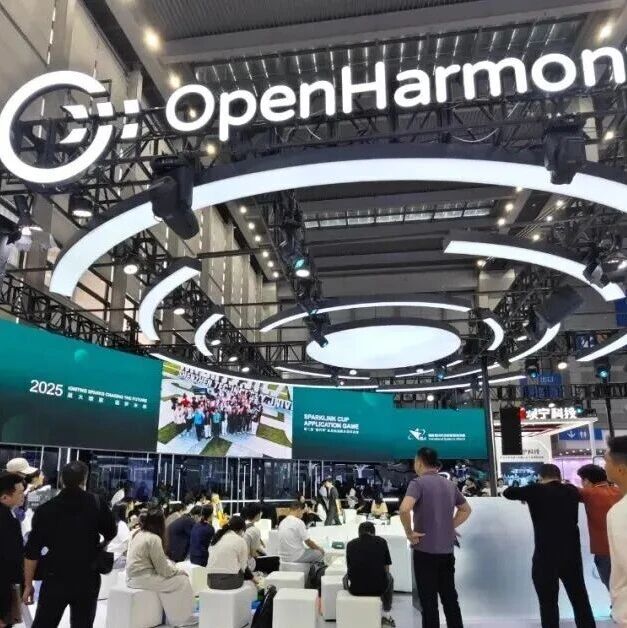
底层技术突破多点开花 深圳喊出“定义消费电子新风向”
Zheng Quan Shi Bao· 2025-11-06 22:33
Core Insights - The first Global Consumer Electronics Innovation Conference (CEIC 2025) in Shenzhen signifies a shift in the global consumer electronics landscape, with Chinese technology aiming to gain a stronger voice in the industry [1] Group 1: Technological Breakthroughs - The Starlink technology, developed by Huawei, has achieved significant advancements, offering lower power consumption, higher transmission rates, and reduced latency compared to traditional wireless technologies like Bluetooth and WiFi [2] - Starlink technology has been integrated into over 200 types of commercial products, enhancing performance in various sectors including power, transportation, education, and smart manufacturing [2] - The HarmonyOS ecosystem is also highlighted, providing efficient solutions in areas such as smart parking and smart homes, showcasing its distributed capabilities [3] Group 2: Economic Impact - Shenzhen's electromechanical product exports reached 2 trillion yuan in 2024, marking a 12.1% increase, with traditional electronic products like mobile phones and home appliances contributing 377.43 billion yuan, a 6.8% year-on-year growth [4] - Shenzhen holds a dominant position in the global drone market, with consumer drones accounting for 70% and industrial drones for 50% of the global market share as of mid-2025 [5] Group 3: Industry Positioning - Despite its strengths, Shenzhen and China lack a globally influential exhibition platform like CES, which has historically defined trends and standards in consumer electronics [6] - The CEIC aims to fill this gap, but it currently faces challenges in brand recognition and international influence, limiting its ability to attract top-tier companies and audiences [6]