
生态治理与保护

Search documents
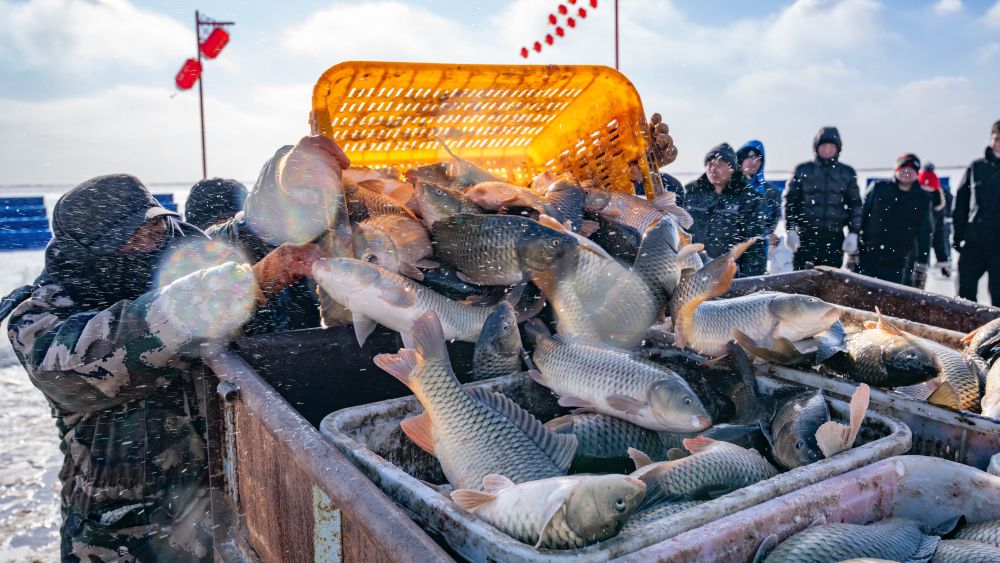
新春走基层|哈素海的冬天
Xin Hua She· 2026-02-18 04:53
Core Insights - Hasu Lake, known as the "Western Lake of the Frontier," has become a winter tourism hotspot, attracting over 200,000 visitors this year, with a total tourism revenue of approximately 7.5 million yuan, including over 5 million yuan from fishery-related activities [1][3] Group 1: Tourism Development - The winter fishing festival at Hasu Lake has transformed traditional fishing practices into a cultural tourism experience, blending agricultural and nomadic cultures [3] - The local government has implemented ecological protection measures, ensuring sustainable development while promoting tourism [3][4] - The immersive winter fishing experience has gained popularity among young tourists, contributing to Hasu Lake's reputation as a desirable travel destination [4] Group 2: Economic Impact - The local restaurant industry has seen a significant increase in sales, with fish banquet package sales reaching 1.2 million yuan in January, a 30% increase compared to the previous year [6] - The diverse offerings at Hasu Lake, including winter fishing, ice entertainment, and local cuisine, cater to a wide range of visitors, enhancing overall tourist satisfaction [6] - The local government plans to continue promoting tourism activities during the Spring Festival, aiming to leverage winter resources for economic growth [6]

《四川省“十四五”川陕革命老区发展规划》印发
Si Chuan Ri Bao· 2026-01-04 03:58
Core Viewpoint - The "14th Five-Year Plan for the Development of the Sichuan-Shaanxi Revolutionary Old Areas" has been issued and implemented, emphasizing the revitalization and development of revolutionary old areas as a priority for the central government [1] Group 1: Planning Background and Objectives - The plan identifies 29 revolutionary old areas in Sichuan and Shaanxi, impacting a total of 37 counties, and outlines the guiding ideology, basic principles, and development goals for the period leading up to 2035 [1] Group 2: Key Tasks - The plan includes six key tasks aimed at achieving common prosperity for the people in revolutionary old areas, such as: - Consolidating and expanding poverty alleviation achievements while effectively connecting with rural revitalization [2] - Accelerating the improvement of infrastructure to address development shortcomings [2] - Cultivating and expanding advantageous and characteristic industries to enhance self-sufficiency [2] - Increasing the effective supply of public services to improve living standards [2] - Highlighting the contemporary value of red resources and enhancing the red cultural brand [2] - Strengthening ecological governance and environmental protection to leverage ecological advantages [2] Group 3: Support Mechanisms - The plan emphasizes the establishment of long-term, inclusive support mechanisms and precise, differentiated support systems, including: - Improving investment and financing mechanisms [2] - Innovating resource utilization mechanisms [2] - Establishing ecological compensation mechanisms [2] - Optimizing technology and talent mechanisms [2] - Creating pilot promotion mechanisms [2] - Exploring regional cooperation mechanisms [2] Group 4: Implementation and Participation - The plan calls for strengthening party leadership, enhancing organizational implementation, and expanding social participation as key measures for successful execution [3]