硬件预埋

Search documents
任性的智能汽车升级:随意上锁、卡顿至死|“315”特别策划
经济观察报· 2026-03-13 11:20
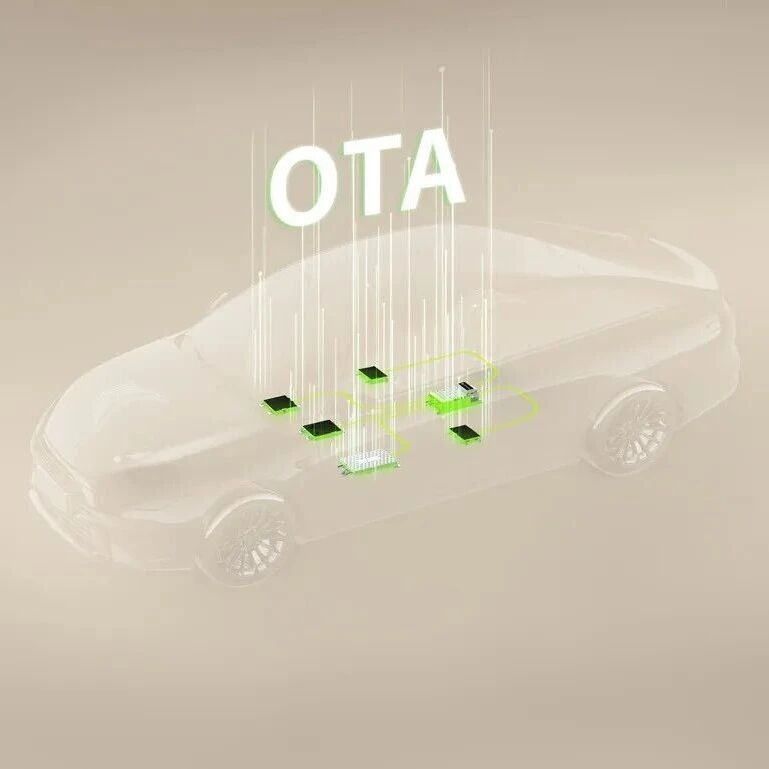
Core Viewpoint - The emergence of OTA (Over-the-Air) technology in the automotive industry raises concerns about whether it serves as a beneficial advancement in smart technology or as a means for some companies to evade responsibility through hidden practices [2][5]. Group 1: Issues with OTA Upgrades - A case was reported where a vehicle's battery capacity was silently limited after an OTA upgrade, reducing its range from over 400 kilometers to 380 kilometers, highlighting the lack of control for vehicle owners [2][4]. - Complaints from vehicle owners indicate that OTA upgrades have led to significant reductions in power output, with one vehicle's power dropping from 145 kW to 74 kW, affecting driving performance [4][5]. - Some companies are using OTA upgrades as a substitute for traditional recalls, implementing silent restrictions on battery capacity and power to avoid the costs and reputational damage associated with physical recalls [5][6]. Group 2: Regulatory Developments - In February 2025, a joint notice from the Ministry of Industry and Information Technology and the State Administration for Market Regulation established clear boundaries for OTA management, emphasizing that OTA is a technical service for recalls and cannot replace them [13][14]. - New regulations require that any changes to vehicle performance parameters due to OTA upgrades must be reported and approved, ensuring that consumers are informed about significant changes [14][15]. - The implementation of GB 44496-2024 mandates comprehensive testing and user notification before OTA upgrades, aiming to enhance consumer protection [15]. Group 3: Consumer Concerns and Market Dynamics - Many consumers express dissatisfaction with the lack of OTA updates for older models, leading to complaints about outdated systems and poor user experience [8]. - The automotive industry faces a dual challenge of rising costs due to increased material prices while simultaneously dealing with competitive pressures that lead to price reductions for consumers [9]. - The shift towards new models and the neglect of OTA services for older vehicles reflect a broader trend where companies prioritize resource allocation for new developments over maintaining existing customer relationships [9][10]. Group 4: Technological Limitations - The disparity in hardware capabilities between older and newer vehicle models means that OTA upgrades cannot always deliver the same performance improvements, particularly in advanced features like autonomous driving [11][12]. - The latest generation of automotive chips significantly outperforms older models, indicating that hardware upgrades may be necessary for older vehicles to access new functionalities [11][12]. Group 5: Future Considerations - The average replacement cycle for electric vehicles has decreased, raising questions about consumer willingness to continue using older models without adequate OTA support [15][16]. - Companies are urged to fulfill promises regarding "lifetime free OTA upgrades" and ensure that all users receive fair access to improvements, addressing the concerns of older vehicle owners [16].