穿戴医疗

Search documents
华为WATCH D2获功能新升级:医疗级健康科技破解冬季健康管理痛点
Zhong Guo Jing Ji Wang· 2025-12-01 08:29
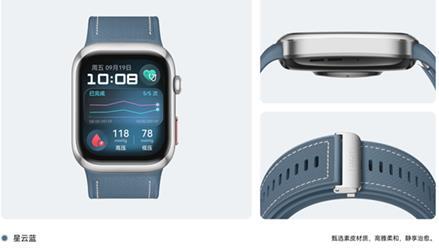
Core Viewpoint - Huawei's WATCH D2, featuring upgraded medical-grade blood pressure monitoring and a new color, is launched during a peak season for cardiovascular diseases and consumer spending, showcasing the trend of "medicalization and scenario-based" development in the wearable device industry [1][15]. Group 1: Product Features and Innovations - The WATCH D2 addresses the pain points in chronic disease management, particularly for the 245 million hypertension patients in China, by offering dynamic blood pressure monitoring and customizable reminders, creating a comprehensive monitoring system [5][6]. - The device incorporates advanced technology with a unique "strap airbag integration" system, ensuring measurement accuracy and comfort, while adhering to global medical standards for blood pressure measurement [6][7]. - It is the first smartwatch to receive dynamic blood pressure monitoring medical certification, supporting both single and continuous monitoring, thus enhancing proactive hypertension management [6][7]. Group 2: Market Positioning and Consumer Appeal - The WATCH D2 extends its functionality beyond chronic disease management to cater to the general population's health monitoring needs, becoming the first watch to measure blood pressure post high-intensity exercise, addressing industry gaps [9]. - The device's health management capabilities have been enhanced with features like a one-click health check that includes 13 health metrics, appealing to both hypertension patients and everyday consumers [9][11]. - The product's aesthetic appeal, with new color options, positions it well in the high-end gifting market, aligning with the trend of gifting health-related products during the year-end shopping season [13][15]. Group 3: Industry Trends and Future Outlook - The wearable device market in China is projected to exceed 300 billion yuan by 2025, with a compound annual growth rate of 25% to 30%, particularly in the blood pressure monitoring segment due to the rigid demand for chronic disease management [13][15]. - Huawei's approach of integrating medical-grade technology into consumer products is expected to drive its competitive edge and potentially lead the industry towards a transformation from smart wearables to wearable medical devices [14][15].