紧急呼叫救护车

Search documents
春运2月2日开启,收好这份健康出行攻略
Yang Shi Xin Wen· 2026-02-01 01:45
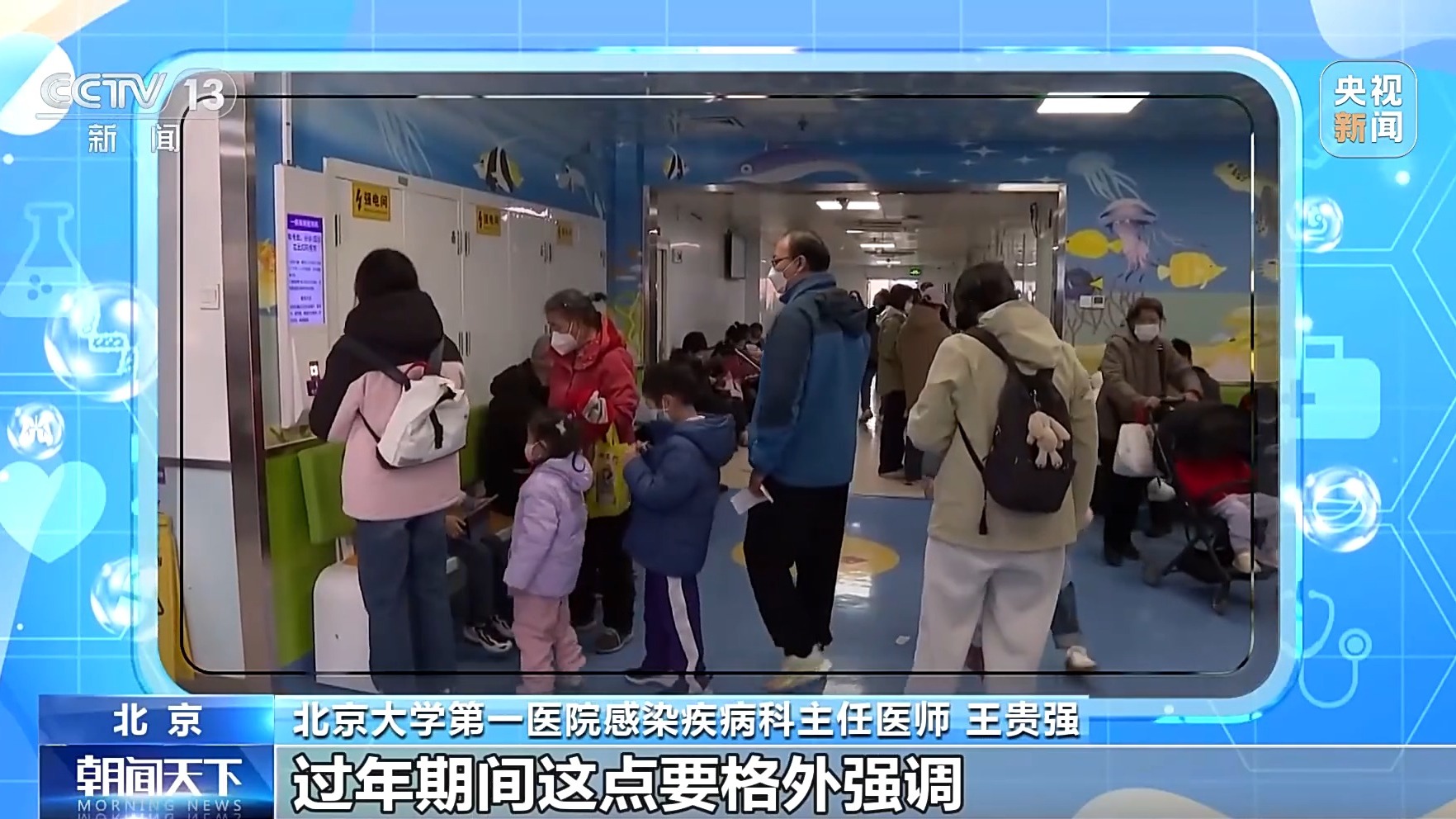
Core Viewpoint - The upcoming Spring Festival travel rush in China presents various health risks, particularly respiratory and gastrointestinal diseases, necessitating preventive measures and personal health management during travel. Group 1: Respiratory Disease Prevention - Respiratory infectious diseases remain prevalent during the Spring Festival travel period, with influenza at a moderate epidemic level, and other pathogens like respiratory syncytial virus and rhinovirus also active [1][4] - Experts recommend wearing masks as an effective protective measure, especially in crowded and enclosed spaces like trains [2][4] Group 2: Vaccination Recommendations - Vaccination against influenza is still advised for vulnerable groups such as the elderly and children, particularly those traveling to visit family [4] Group 3: Gastrointestinal Health - Irregular eating habits and changes in food types during travel can increase the risk of gastrointestinal issues, compounded by fatigue that may lower immunity [5][6] - Travelers should prioritize food safety by purchasing from reputable sources and maintaining hygiene during meals [6][8] Group 4: Travel Fatigue and Blood Clots - Long periods of sitting in transport can lead to fatigue and increase the risk of venous blood clots, particularly in confined spaces [9][12] - It is recommended to take breaks and move around periodically to enhance blood circulation and reduce discomfort [10][14] Group 5: Chronic Disease Management - Travelers with chronic conditions should carry more than enough medication for their trip and keep essential medications accessible [15][16] - Portable devices for monitoring health indicators like blood pressure and blood sugar are advisable for timely health management [16] Group 6: Emergency Response - In case of a medical emergency during travel, clear communication with emergency services is crucial, including providing precise location details [17][19] - Establishing a recognizable landmark can assist emergency responders in reaching the patient quickly [21]