
统一标准

Search documents
GSMA大中华区总经理刘鸿:把5GA做好,这决定6G的初速度和加速度
Xin Lang Cai Jing· 2026-01-15 10:24
Core Viewpoint - The importance of unified standards in the communication industry is emphasized as a fundamental principle that can reduce costs and eliminate barriers across technology, regions, and cultures [1][4]. Group 1: Importance of Unified Standards - Unified standards are essential to break down barriers in technology, regions, and cultures, leading to significant cost reductions in the industry [1][4]. - Without unified standards, costs could rise dramatically, innovation may be delayed, and connectivity could be disrupted, potentially leading to fragmentation in the digital age [3][6]. Group 2: Future of 5G and 6G - The development of 5G-Advanced is crucial as it will determine the initial speed and acceleration of 6G, impacting its future performance [3][6]. - Collaboration is encouraged among industry players to ensure the successful implementation of 5G-Advanced, which will lay the groundwork for the advancement of 6G technology [3][6].

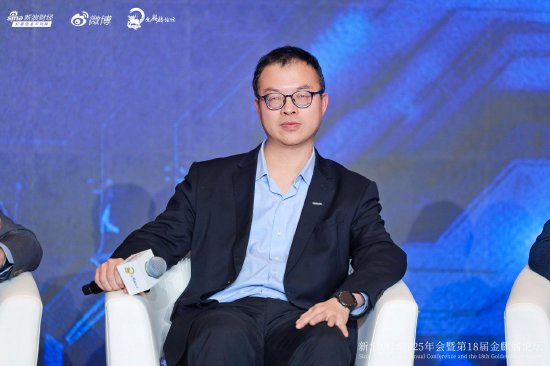
GSMA大中华区技术总经理刘鸿:统一标准是通信行业的第一性原理
Xin Lang Cai Jing· 2026-01-15 10:18
Core Viewpoint - The event highlighted the importance of unified standards in the telecommunications industry, particularly for the development of 5G technology, which is seen as essential for reducing costs and enhancing collaboration across the industry [1][5]. Group 1: Unified Standards - Unified standards are considered the fundamental principle of the telecommunications industry, enabling the breaking down of technical, regional, and cultural barriers [3][7]. - The adoption of unified standards is expected to significantly lower industry costs, allowing for better collaboration and interoperability among different players [3][7]. Group 2: Business Model Innovation - The innovation of business models is deemed more critical than technological advancements, as operators' willingness to deploy 5G is contingent on the ability to recoup investments [3][7]. - A project has been introduced to transform operators into platform-based enterprises, similar to Apple and Alibaba Cloud, by allowing developers to access network, business, and data capabilities through APIs [3][7]. Group 3: Industry Support and Future Outlook - The project aimed at transforming operators has received strong support from global and Chinese operators, indicating a positive industry response [3][7]. - There is an expectation for innovative business models to emerge in the 6G era, which will enhance operators' ability to serve consumers and various industries [3][7].