美国宪法第一修正案

Search documents
特斯拉(TSLA.US)CEO马斯克挑战SEC监管合法性 称5%持股披露制度违反美国宪法
智通财经网· 2026-01-16 23:57
Core Viewpoint - Tesla CEO Elon Musk's legal team challenges the constitutionality of the SEC's 5% ownership disclosure requirement, arguing that the SEC's structure also violates the U.S. Constitution [1][2] Group 1: SEC Disclosure Requirements - Since the 1960s, U.S. securities laws mandate that investors holding over 5% of a public company must disclose their intentions within a specified timeframe if they intend to acquire or control the company [1] - The SEC claims Musk failed to timely file his ownership disclosure for Twitter (now X), having acquired over 5% by March 14, 2022, but only filed on April 4, 2022, violating the 10-day disclosure rule [1] Group 2: Musk's Defense - Musk's legal team attributes the delayed filing to a "good faith error" by his asset managers and brokers, who mistakenly believed the deadline was at year-end rather than the required 10 days [2] - The legal team argues that the distinction between active and passive investors in the 13D rule infringes on the First Amendment, as it compels disclosure based on the investor's intent [2] Group 3: SEC's Governance Structure - Musk's lawyers contend that the SEC's governance structure lacks constitutional validity, especially in light of recent Supreme Court rulings regarding the authority of independent regulatory agencies [2] - They assert that any enforcement actions initiated under this "protected" old regime should be dismissed, and Musk should have the right to question the SEC's three-year investigation before a ruling [2]
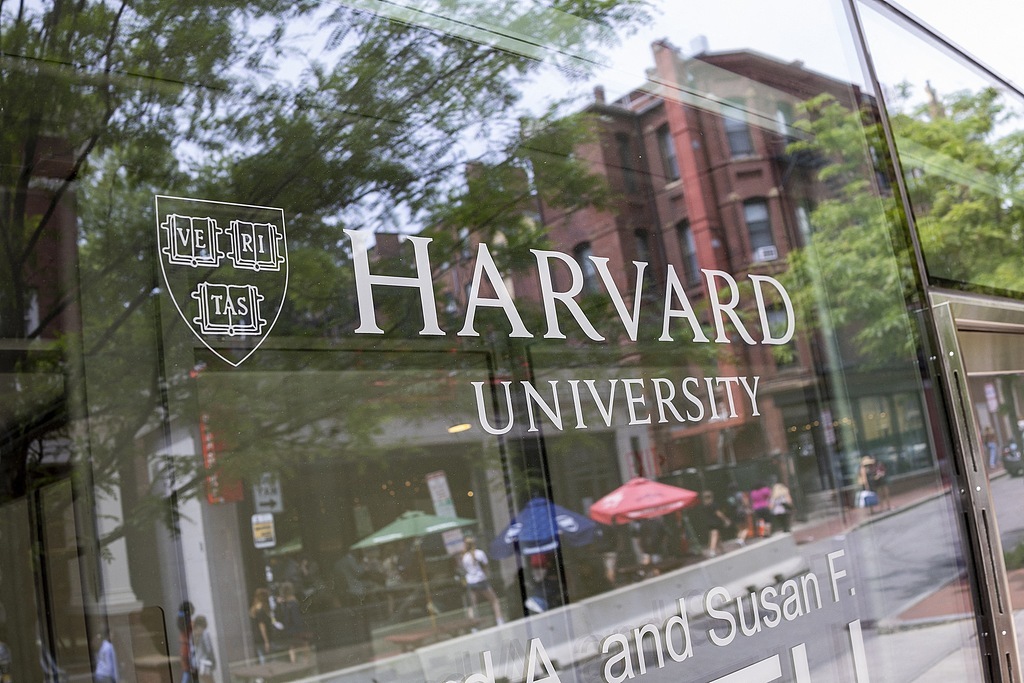
事关26亿美元联邦经费,美国政府与哈佛大学在法庭激烈交锋
Huan Qiu Shi Bao· 2025-07-22 22:49
Group 1 - The lawsuit by Harvard University against the Trump administration centers on the illegal freezing of approximately $2.6 billion in federal funds due to alleged insufficient action against anti-Semitism on campus [1][3] - Harvard's legal representation argues that the government's actions violate the First Amendment and the Civil Rights Act, claiming that the funding cut threatens long-term research projects and the careers of faculty and students [1][3] - The Trump administration's legal team characterizes the case as a contract dispute, asserting that the federal government has the right to terminate funding to universities that do not align with government priorities [3] Group 2 - The case is viewed as a landmark lawsuit affecting the boundaries of power between the government and higher education institutions in the U.S. [4] - The Trump administration has already cut a total of $24 billion in federal funding to Harvard, impacting over 950 ongoing research projects [4] - Negotiations between Harvard's leadership and White House officials are ongoing, with indications that Harvard may be willing to cooperate with the Trump administration to resolve multiple legal battles [4]