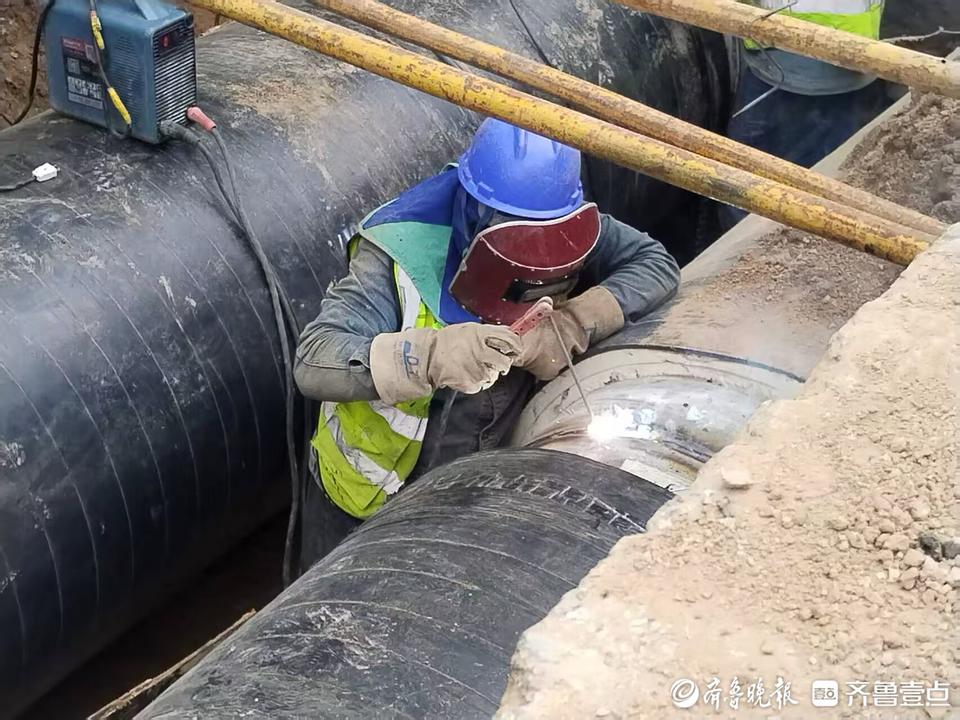
老旧管网改造

Search documents
北京督促各供热单位本月底前完成调试,确保11月1日具备供暖条件
Bei Jing Ri Bao Ke Hu Duan· 2025-10-23 05:46
Core Points - The Beijing Municipal Management Committee has mandated that all units complete heating system pressure testing, cold operation debugging, household inspections, and hot operation debugging by October 31 to ensure heating readiness by November 1 [1][2] - The total centralized heating area in urban areas for the 2025-2026 heating season is approximately 1.07 billion square meters, with residential areas accounting for 701 million square meters and non-residential areas for 369 million square meters [1] - There are 7,607 centralized heating boiler rooms and 1,152 registered heating units across the city [1] Group 1 - The Municipal Management Committee has urged all districts and units to complete the renovation of old pipelines, maintenance of facilities, and other tasks by October 31 [1] - This year, over 950 tasks related to "winter diseases summer treatment" have been completed, with approximately 1,300 kilometers of old heating pipelines renovated and 30 million square meters of existing building heating systems upgraded to smart systems [1] Group 2 - The heating period in Beijing is set from November 15 to March 15 of the following year, with the possibility of adjustments based on meteorological conditions [2] - The city has established specific operational regulations for temporary adjustments to the heating period, allowing for early or extended heating based on continuous low temperatures or significant snowfall [2] - Since mid-October, the Municipal Management Committee has been collaborating with meteorological departments to assess weather conditions and will continue to evaluate heating timing scientifically [2]
济南热力集团“冬病夏治”全面开工,老旧管网改造护航冬季供暖
Qi Lu Wan Bao Wang· 2025-05-28 02:50
Group 1 - The core viewpoint of the article highlights the ongoing renovation of old heating pipelines in Jinan, which aims to enhance the safety and efficiency of the heating system for residents [1][3][5] - Jinan Energy Group's heating division plans to update over 170 kilometers of old heating secondary pipelines across more than 260 residential communities this year [1][3] - The renovation project includes the replacement of 3,000 meters of old pipelines in specific areas, benefiting users with a total heating area of 50,000 square meters [3] Group 2 - The company is proactively addressing issues related to aging heating pipelines, which have begun to show signs of rust and deterioration, negatively impacting safety and user experience [3] - To ensure the progress of pipeline renovations, the company is coordinating with multiple departments to manage traffic flow and address potential challenges such as underground pipeline damage and adverse weather [5] - As part of the 2025 livelihood project, the company is committed to accelerating the renovation process and optimizing construction management to ensure the successful completion of this public welfare initiative [5]

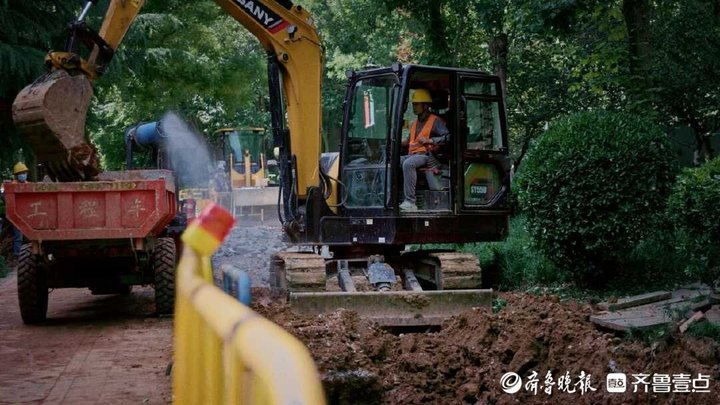
青岛集中供热“冬病夏治”全面开工,推进115公里老旧管网改造
Qi Lu Wan Bao Wang· 2025-05-15 02:33
Group 1 - The core viewpoint emphasizes the importance of upgrading old heating pipelines to ensure safe, stable, and efficient heating operations during winter [1][3] - Qingdao Energy Thermal Power Group has initiated a comprehensive plan to replace 115 kilometers of old heating pipelines, marking it as a priority project for the year [1][5] - The project includes 200 sub-projects, requiring careful consideration of traffic flow and overall planning, while avoiding peak periods such as exam seasons and summer floods [5][11] Group 2 - The aging heating pipelines, some dating back to the 1980s, have begun to show signs of corrosion and deterioration, posing potential risks to heating safety and quality for residents [3][7] - The project will replace a total of 1,476 meters of DN900 pipelines, which currently support a heating load of approximately 8 million square meters [9] - To enhance project efficiency, the company has organized two construction teams with over 30 workers, implementing real-time monitoring and dust control measures [9][11]