育人实践

Search documents
(新春走基层)从塔里木河到钱塘江:一颗“石榴籽”的“东游记”
Xin Lang Cai Jing· 2026-02-18 14:14
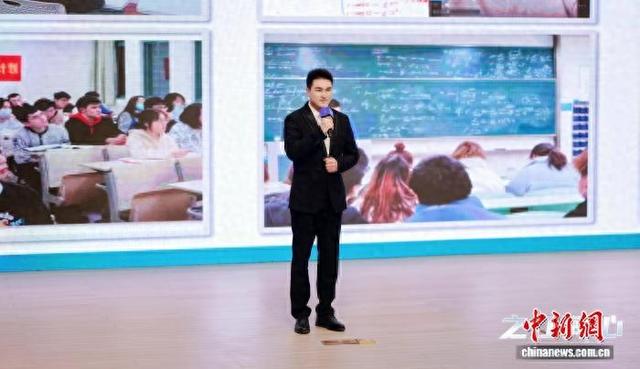
Core Viewpoint - The article highlights the inspiring journey of a young educator, Mu Tailifu Mu Sha, who transitioned from a struggling student to a dedicated counselor, impacting the lives of many minority students in Zhejiang Province [3][4]. Group 1: Personal Journey - Mu Tailifu Mu Sha, known as "Teacher Mu," moved from the Tarim River in Xinjiang to the Qiantang River in Zhejiang, becoming a counselor at Zhejiang Water Conservancy and Hydropower College [1][3]. - Initially lost in his studies at Wuhan University, he regained confidence through the support of his counselor, Yang He, who encouraged him to assist other students [3][4]. - After graduating in 2019, he chose to stay in Zhejiang to help students like himself, aiming to pass on the care he received [3][4]. Group 2: Educational Initiatives - Recognizing the challenges faced by students from border areas, Mu established the "Mu's Advanced Mathematics Tutoring Class," conducting over 60 sessions and assisting more than 200 minority students in passing their exams [4]. - In 2020, he founded the "Mu's Studio," bringing together over 80 counselors from 11 universities in Zhejiang to promote ethnic unity and collaborative educational methods [4]. - The studio has organized over 100 events, including the "Pomegranate Seed" growth plan and "Red Pomegranate" cultural festival, benefiting over 6,000 students and fostering inter-ethnic relationships [4].

烹好减负育人暖心餐——北京中小学校园餐服务观察
Xin Hua Wang· 2025-07-05 01:58
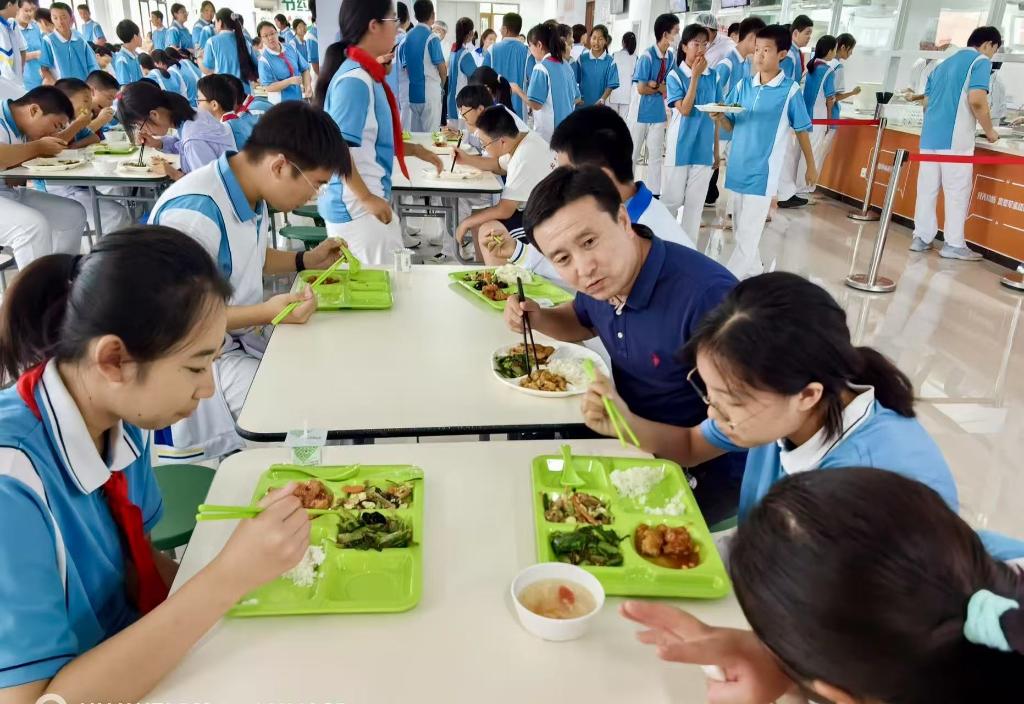
Group 1 - The core idea of the article highlights the improvements in school meal services in Beijing, focusing on the provision of standardized dining utensils and the implementation of a "central kitchen" model to enhance meal quality and convenience for students [1][2][4] - Beijing has equipped 2,114 school sites to provide meals for 1.813 million students, significantly reducing the number of students required to bring their own utensils from 320,000 to over 20,000 [1] - The "bucket meal" system has been fully implemented, allowing meals to be delivered directly to classrooms, which helps maintain food temperature and quality, enhancing the overall dining experience for students [2] Group 2 - Schools in Beijing are integrating student participation in meal distribution into their educational practices, with students taking turns as meal servers under teacher supervision, promoting labor education [2] - School leaders are required to dine with students to gather feedback on meal quality and address any issues related to food service, fostering a closer relationship between staff and students [4] - The establishment of dietary committees involving students and parents in all schools aims to ensure ongoing supervision and improvement of meal services, creating a feedback loop for quality assurance [4]