能源供应链中断

Search documents
霍尔木兹海峡航运受阻,印度和伊朗直接对话讨论“放行”油轮
中国能源报· 2026-03-16 11:23
Group 1 - Indian Foreign Minister S. Jaishankar stated that direct dialogue with Iran has yielded some results in resuming shipping through the Strait of Hormuz, which had been stalled [1] - Two Indian-flagged tankers carrying liquefied petroleum gas recently navigated safely through the Strait of Hormuz to India, showcasing the effectiveness of diplomatic efforts [1] - Jaishankar emphasized that finding solutions through coordination and dialogue is preferable to inaction from India's perspective [1] Group 2 - Despite the dialogue, Jaishankar indicated that Iran has not agreed to exempt all Indian vessels from restrictions, and no benefits were exchanged from the Indian side [3] - The ongoing conflict involving the US and Israel has led to significant disruptions in global energy transport through the Strait of Hormuz, with only 77 vessels passing through from March 1 to March 13, most of which belong to a "shadow fleet" evading Western sanctions [3] - The UK Maritime Trade Operations Office reported that 20 commercial vessels, including 9 oil tankers, have been attacked or reported incidents in the Strait of Hormuz and nearby waters since early March [3] Group 3 - India's energy imports are heavily reliant on the Middle East, and while the US has eased restrictions on Indian purchases of Russian oil, the volume is insufficient to meet urgent market needs, estimated at 20 to 30 million barrels, which only covers four days of India's oil consumption [4] - Geopolitical risk experts suggest that India has little capacity to withstand the impacts of supply chain disruptions caused by shipping obstacles in the Strait of Hormuz [4]

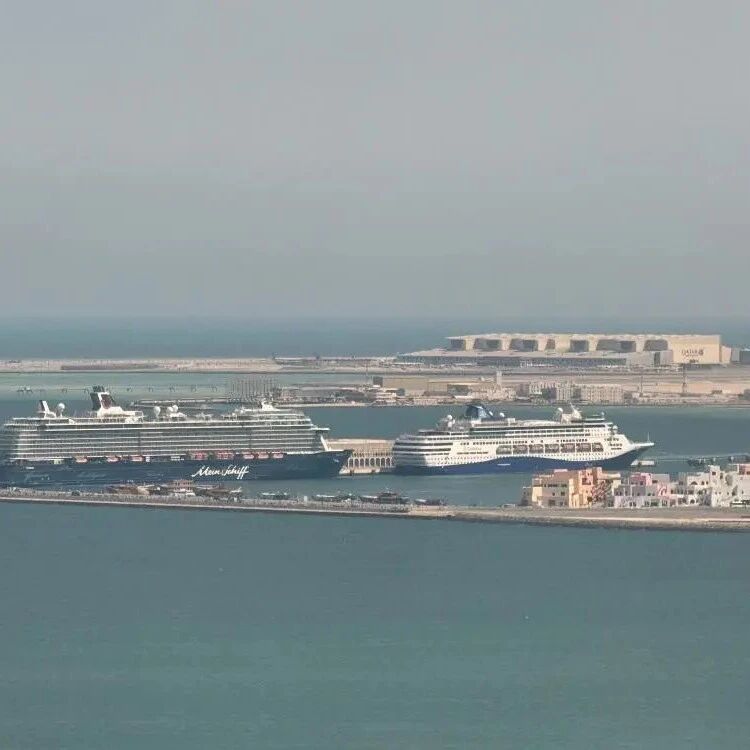
GAIL, Petronet LNG, Gujarat Gas, ATGL fall up to 6% as West Asia conflict sparks supply disruption fears
BusinessLine· 2026-03-09 06:33
Core Viewpoint - Leading gas and liquefied natural gas companies are experiencing significant selling pressure due to escalating geopolitical tensions, particularly between Iran and the Israel–US alliance, raising concerns about potential disruptions in global energy supply chains [1]. Group 1: Market Performance - GAIL (India) Limited's shares fell 5.5% to a 52-week low of ₹147.03, later trading at ₹148.35, down from a previous close of ₹155.71 [3]. - Petronet LNG Limited and Gujarat Gas Limited both dropped 5%, with Petronet reaching an intraday low of ₹275.70 and Gujarat Gas at ₹376.80 [2][3]. - Adani Total Gas Limited's shares decreased by 4% to a 52-week low of ₹462.80, down from ₹482.65, while Indraprastha Gas Limited fell 3% to ₹152.24 from ₹157.27 [6]. Group 2: Industry Vulnerabilities - Gas utilities are particularly susceptible to supply-side shocks due to India's heavy reliance on LNG imports to satisfy domestic demand [7]. - Sustained disruptions in shipping routes or spikes in global gas prices could negatively impact margins and profitability across the gas sector [7]. - Analysts predict ongoing volatility in gas stocks as investors monitor developments in West Asia, global LNG price movements, and policy measures for securing alternative supply routes [7].