自然文学

Search documents
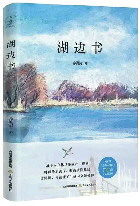
【静观自然】 从一个湖认识自己
Xin Lang Cai Jing· 2026-01-23 16:48
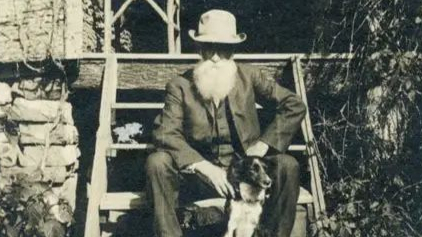
Core Insights - The narrative reflects on the transition from a chaotic life to a more serene and meaningful existence, emphasizing the importance of self-discovery and simplicity [2][3][4] Group 1: Personal Transformation - The author describes a significant life change after writing "The Earth Notes," highlighting a newfound clarity and lightness in life [2] - A friend of the author exemplifies a radical lifestyle change by retreating to a lakeside, embracing simplicity and freedom, which evokes admiration [3] - The author draws inspiration from various individuals who have chosen a simpler life, finding beauty and happiness in their choices [3] Group 2: Connection with Nature - The author reflects on historical figures like Thoreau, who sought solace in nature, and expresses a desire to reconnect with the natural world [4] - A commitment is made to regularly visit a lake, where the experience transforms into a profound reflection on self and existence [5] - The intention to write a book about the lake signifies a deeper exploration of personal identity and the essence of life [5]

青稞主题的深耕之作
Xin Lang Cai Jing· 2026-01-08 19:02
Core Viewpoint - The article highlights the remarkable creative vitality of older writers in the Qinghai literary scene, particularly focusing on the works of Qi Jianqing, who has published multiple pieces centered around the theme of barley, culminating in the release of his essay collection "Portrait of Barley" in 2025 [1][2]. Group 1: Creative Characteristics - "Portrait of Barley" is considered a representative work of Qi Jianqing's advocacy for the "Barley Essay School" and an important contribution to the Qinghai essay community [2]. - A notable feature of Qi's writing is the unique combination of natural literature and military literature, showcasing a distinct aesthetic that is both powerful and expansive [2]. - The collection emphasizes the connection between nature, culture, and spirit, using barley as a medium to bridge the relationship between humans and snow leopards, fostering mutual appreciation [2]. Group 2: Language and Realism - The author demonstrates a deep concern for reality and a focus on the texture of language, imbuing his writing with a strong, masculine beauty that reflects resilience and strength [3].
聆听一只鸟才算认识它
Xin Lang Cai Jing· 2025-12-21 14:32
Core Viewpoint - John Burroughs, known as the "King of the Bird Kingdom," dedicated his life to writing about birds and nature, emphasizing the importance of observing and appreciating the natural world around him [4][10]. Group 1: John Burroughs' Contributions - Burroughs authored over 20 collections and 450 essays, primarily depicting the seasonal beauty of his hometown in the Catskill Mountains of New York [4]. - He believed that the best place to observe nature is one's own home, as it allows for a deeper understanding of the environment [4]. - His writing style blends scientific observation with poetic expression, aiming to capture the essence of nature while maintaining its original form [5]. Group 2: Observational Techniques - Burroughs kept a diary for 45 years, documenting his observations of the Hudson Valley's seasonal changes, adhering to the principle of "truth" in his writings [5]. - He compared the writing process to a bee making honey, emphasizing the need to infuse personal insight into factual observations to create meaningful literature [5]. Group 3: Notable Works - "Wake-Robin," Burroughs' first nature essay collection, reflects his youthful experiences with birds while working in Washington, D.C. [6]. - The book's title refers to the wake-robin flower, signaling the return of birds in spring, symbolizing renewal and connection to nature [6]. Group 4: Bird Observations - Burroughs expressed particular fondness for certain bird species, such as the bluebird, which he described as a joyful and devoted partner [7]. - He highlighted the unique songs of various birds, suggesting that understanding a bird requires listening to its song, which conveys its essence and emotions [10].