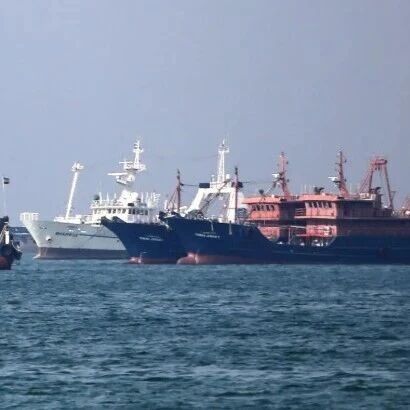
船只身份伪装避险

Search documents
为通过霍尔木兹,至少10艘船只改成“中国身份”
凤凰网财经· 2026-03-07 10:55
Core Viewpoint - The ongoing conflict in the Middle East, particularly the airstrikes by the US and Israel against Iran, has led to significant disruptions in global energy transportation, especially in the strategic Strait of Hormuz, prompting ships to adopt "identity disguise" tactics to avoid risks [2][8]. Group 1: Current Situation - Approximately 1,000 vessels are currently trapped in the Gulf and surrounding waters, with a total value of about $25 billion [3]. - Many ships are altering their transponder signals to claim they are Chinese-owned or have Chinese crew members, with at least 10 vessels reported to have changed their destination signals in the past week [2][3]. - Some vessels are also manipulating GPS signals to mislead guided weapons, resulting in a dense clustering of ships as observed by satellite imagery [3]. Group 2: Tactics and Implications - The types of vessels changing their signals include container ships and oil tankers, with some fully loaded and others empty [4]. - The responsibility for altering the transponder signals lies with the ship's captain, who can easily modify the destination information, indicating a level of deception involved [5]. - The practice of changing identities for safety is not new; it was previously seen in the Red Sea situation in 2023 when vessels sought to avoid attacks from Houthi forces [8]. Group 3: Regional Dynamics - The conflict has led Iran to target energy facilities and vessels in the Gulf region, effectively closing the Strait of Hormuz, which accounts for about one-fifth of global oil and liquefied natural gas supplies [8]. - China, maintaining a friendly relationship with Iran and relying heavily on Middle Eastern energy supplies, is reportedly requesting Iran to ensure safe passage for related vessels [9]. - Some vessels are still able to pass through the Strait, primarily those owned by China or Iran, highlighting the strategic importance of these identities in the current context [10].