蓝碳碳汇

Search documents
北海,正在为“美人鱼”储备口粮
Xin Lang Cai Jing· 2026-01-18 08:11
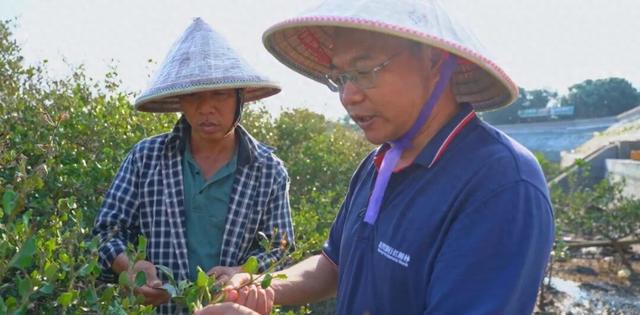
Core Viewpoint - The article highlights the efforts of young researchers in Guangxi, China, who are dedicated to the protection and restoration of mangrove ecosystems, focusing on their innovative methods and contributions to ecological balance and carbon sequestration. Group 1: Research and Monitoring - Liu Wen'ai, a researcher at the Guangxi Mangrove Research Center, has identified over 20 new pest species in mangroves over 15 years and has developed effective methods to control pest damage, particularly from the fish vine, which threatens mangrove health [3][6]. - Since 2018, Guangxi has added 224 hectares of newly planted mangroves and restored 588 hectares, achieving a natural growth in mangrove area despite a global decline of 1% per year [7][9]. - Researchers like Pan Lianghao focus on carbon monitoring in mangroves, emphasizing their role as significant blue carbon sinks, which can absorb carbon dioxide and contribute to climate goals [9][11]. Group 2: Restoration and Application - Su Zhinan, an ecologist, has developed innovative methods for mangrove restoration, including an ecological farming model that allows for the cultivation of marine species without competing for space with mangroves [13][17]. - The research team has successfully implemented sea grass restoration projects, which are crucial for carbon storage and biodiversity, aiming to bring back endangered species like the dugong [17][20]. - The integration of mangrove and sea grass restoration efforts is seen as a pathway to achieving China's dual carbon goals, with ongoing monitoring and research supporting these initiatives [20][21].