过敏防范

Search documents
过敏人士如何安全选购年宵花?专家支招
Yang Shi Xin Wen· 2026-02-13 18:01
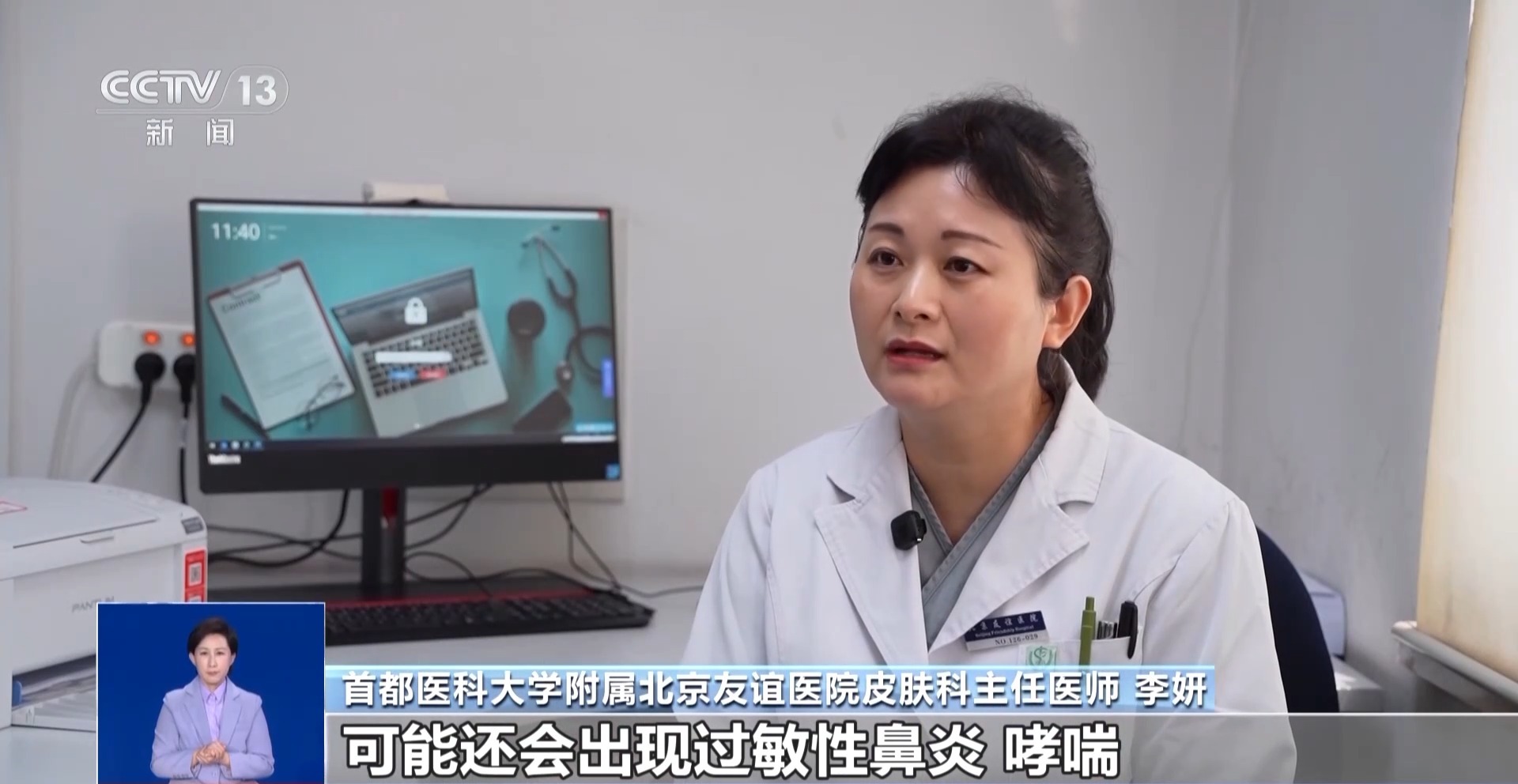
Group 1 - The upcoming Spring Festival has led to a peak season for the purchase and sale of New Year flowers across various regions, with experts advising caution for individuals with allergies when selecting and placing these flowers [1][10] - Certain flowers may contain pollen, scents, or sap that can act as inhalant or contact allergens, potentially affecting sensitive individuals [2][4] - It is recommended that individuals with allergies avoid receiving fresh flowers as gifts, as this could trigger allergic reactions, which may manifest as allergic dermatitis, rhinitis, asthma, or conjunctivitis [4] Group 2 - For those with allergies, it is important to consider the placement of flowers, ensuring good ventilation to reduce pollen concentration [6] - Families with elderly members, children, or pets should be cautious when purchasing strongly scented flowers like lilies and daffodils, as well as thorny plants like roses, to prevent allergic reactions or injuries [8][10] - The variety of New Year flowers available is extensive, and when selecting, one should consider not only personal preferences but also the suitability for the home environment, including care difficulty and health impacts [10][12] Group 3 - Among the recommended plants for ease of care are orchids, such as butterfly orchids and large-flowered orchids, which are visually appealing and have a long flowering period [12] - Some visually attractive flowers may not be suitable for indoor display, particularly those that are strongly scented or have mildly toxic leaves, such as poinsettias and dieffenbachia [14] - The selection of New Year flowers should balance aesthetics, symbolism, and health considerations, ensuring that the floral arrangements contribute positively to the festive atmosphere [14]