
过期药处理

Search documents
姚晨过年被骂了三天,网友:原来都这样
Xin Lang Cai Jing· 2026-02-22 02:32
Group 1 - The core viewpoint of the article revolves around the importance of properly disposing of expired medications, as highlighted by the incident involving actress Yao Chen, who faced criticism for discarding her mother's expired medicines [1][3]. - The Guangzhou Medical University Panyu Central Hospital emphasizes that expired medications can lose efficacy, delay treatment, increase toxicity, and pose health risks, as well as potentially harm the environment if not disposed of correctly [3][4]. - The hospital provides guidelines for disposing of various types of medications, categorizing them as "hazardous waste" and detailing specific disposal methods for solid, liquid, and ointment forms [4][5]. Group 2 - The hospital advises that personal information on medication containers should be removed to prevent privacy breaches during disposal [5]. - Special medications, such as antibiotics, cancer treatments, and controlled substances, require special handling and should be taken to designated hospital drug recycling stations for proper disposal [5].

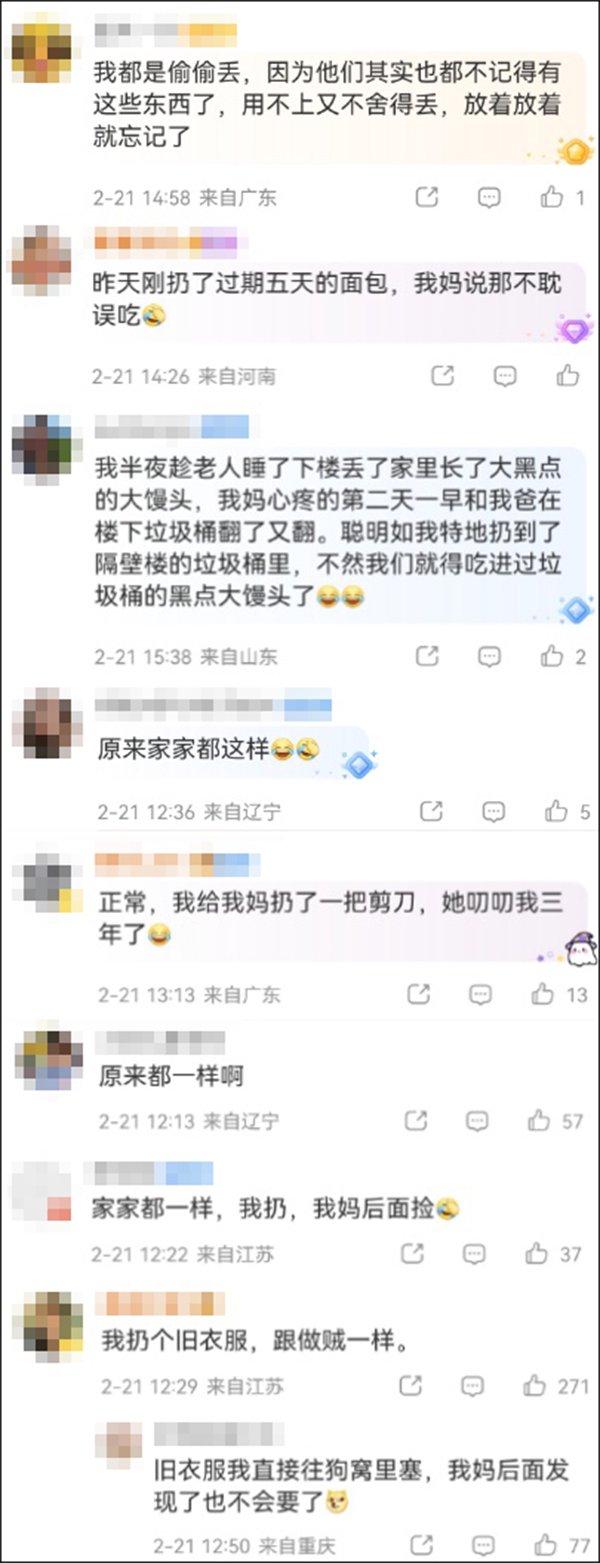
演员姚晨发文称过年被妈妈“骂”了三天!网友:家家都一样,我扔,我妈在后面捡
Xin Lang Cai Jing· 2026-02-21 10:04
Core Viewpoint - The article emphasizes the importance of regularly checking and disposing of expired medications to safeguard health, highlighting the potential dangers of using expired drugs and the need for proper medication management [4][6]. Group 1: Dangers of Expired Medications - Expired medications can lose their effectiveness, leading to potential health risks, such as worsening medical conditions or causing severe allergic reactions [4][5]. - Specific examples include nitroglycerin, which may fail to relieve angina after expiration, and penicillin, which can cause serious allergic reactions due to its degradation products [4][5]. - Other expired drugs, like aspirin, can produce harmful effects, including nausea and damage to liver and kidney functions [4][5]. Group 2: Identifying Expired Medications - To determine if a medication is expired, one should check the label for production and expiration dates, and consider the opening date for certain medications [5][6]. - Visual inspection is crucial; changes in color, texture, or consistency can indicate that a medication has gone bad [5][6]. - Unusual odors can also signal that a medication is no longer safe to use, such as a sour smell from herbal pills indicating spoilage [5][6]. Group 3: Proper Disposal of Expired Medications - Expired medications should be disposed of properly to prevent environmental contamination and misuse [6][7]. - Special medications, like strong painkillers, require professional disposal through local health authorities, while common medications can be crushed and placed in sealed bags for disposal [6][7]. - Liquid medications should be poured out and the containers cleaned before recycling [6][7]. Group 4: Organizing the Medicine Cabinet - Regularly reviewing and organizing the medicine cabinet every 3 to 6 months is recommended to ensure medication safety [7][8]. - This process includes removing expired or unnecessary medications and restocking essential items based on family health needs [7][8]. - Medications should be categorized and labeled with their names, uses, dosages, and expiration dates for easy management [7][8].

“过期药只是药效差,没变质就能吃”是真的吗?
Yang Shi Xin Wen· 2025-09-22 08:26
Core Viewpoint - The National Health Commission emphasizes the risks associated with expired medications, advising against their use due to potential health hazards and ineffective treatment outcomes [1] Group 1: Risks of Expired Medications - Expired medications may have reduced active ingredient content, leading to ineffective treatment and potential delays in recovery, particularly with antibiotics [1] - Chemical changes can occur in expired drugs, such as aspirin breaking down into salicylic acid, which can irritate the stomach lining and cause gastrointestinal bleeding [1] - Even if the appearance of expired medications seems normal, they can harbor bacteria, posing safety risks, such as expired eye drops leading to conjunctivitis or keratitis [1] Group 2: Recommendations for Medication Management - Medications should be stored according to the instructions, with room temperature defined as 10℃ to 30℃, cool storage below 20℃, and refrigeration between 2℃ and 8℃, avoiding freezing [2] - Maintain relative humidity between 35% and 75% to prevent moisture damage, avoiding storage in damp areas like kitchens and bathrooms [3] - Medications should be categorized by type, separating oral from topical medications, adult from children's medications, and storing emergency medications separately [4] - Regular checks on medication expiration dates should be conducted every 3 to 6 months, with immediate disposal of expired or degraded medications; opened medications like eye drops typically have a shorter shelf life of about 4 weeks [4] - For households with children, medication storage should be secured, either locked or placed out of reach, to prevent accidental ingestion [5]