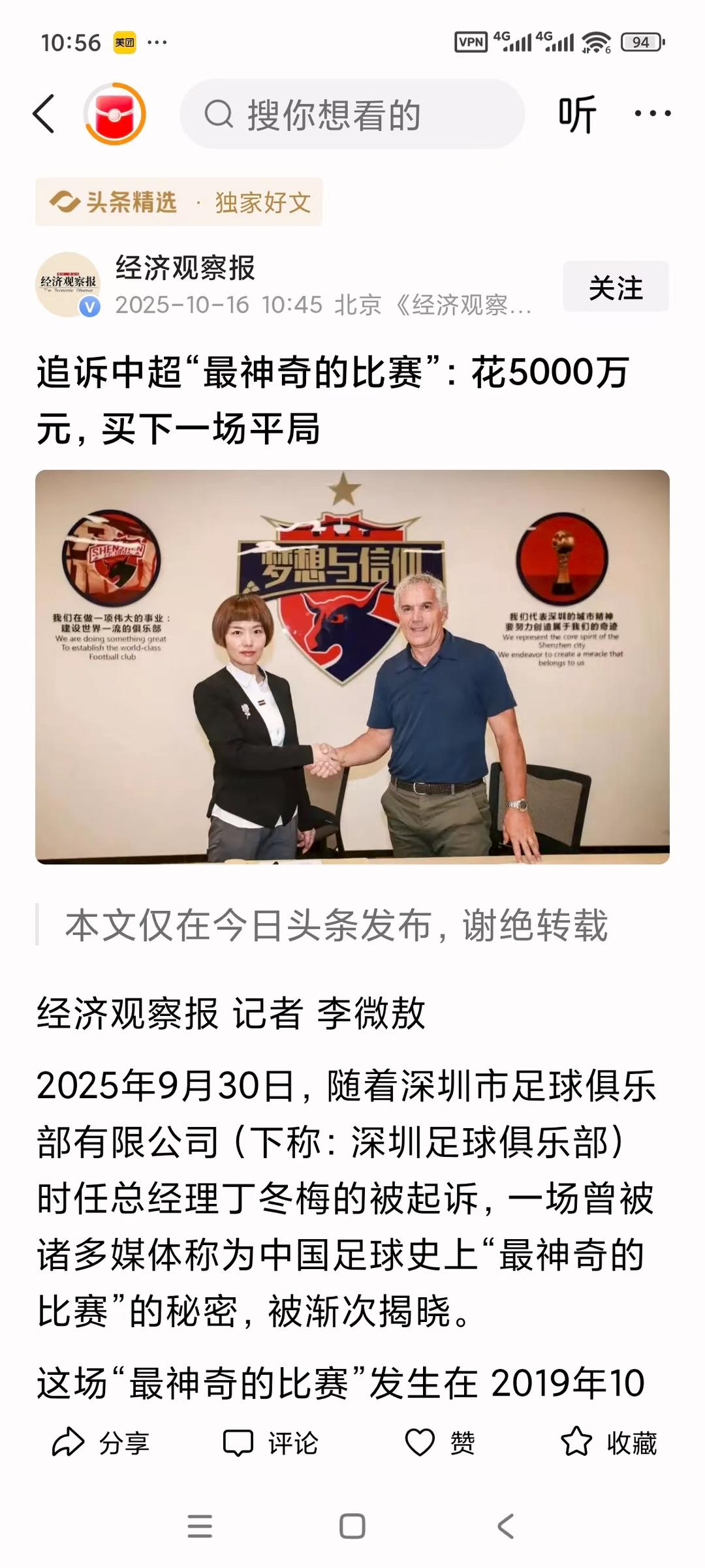
金元足球

Search documents
钱多难买高兴 就怕心里膈应
Xin Lang Cai Jing· 2026-02-06 12:41
Core Viewpoint - The Saudi Arabian league has become a focal point in global football, not due to new star signings, but because of discontent among existing stars like Cristiano Ronaldo, who has expressed dissatisfaction with the league's management and player treatment [2][3]. Group 1: Player Discontent - Cristiano Ronaldo, after joining Al Nassr in January 2023, has faced challenges in winning titles, securing only a friendly championship in his first year despite impressive individual statistics [3][4]. - The transfer of Karim Benzema to Al Hilal has exacerbated Ronaldo's frustrations, leading him to boycott a match and training sessions, feeling that the Saudi Public Investment Fund favors Al Hilal over Al Nassr [3][4][6]. - Other players, including N'Golo Kanté and Darwin Núñez, have also expressed their dissatisfaction through similar actions, indicating a broader issue within the league [7][8]. Group 2: Financial Disparities - The Saudi Public Investment Fund allocated €647 million to Al Hilal and €410 million to Al Nassr, creating a perception of unequal treatment among clubs [4][5]. - While Al Hilal has made significant signings, Al Nassr's recruitment has been less impactful, raising concerns about fairness and competitiveness within the league [5][6]. - Some media outlets argue that the financial differences, while notable, are not insurmountable, as a significant portion of Al Nassr's funds is directed towards Ronaldo's salary [6]. Group 3: League Management Issues - The recent incidents of player discontent highlight potential management issues within the Saudi league, which has adopted a "money football" strategy to attract talent [8]. - The league's current situation, characterized by high-profile player dissatisfaction, suggests a need for improved governance to maintain its appeal and avoid a decline in reputation [8].


三十一年的坚守亦是荣光
He Nan Ri Bao· 2025-12-07 23:45
Group 1 - The core message emphasizes the enduring spirit and commitment of the Henan football team, which has not won a championship but has built a legacy of passion and perseverance over 31 years [1][3] - The journey of Henan football is marked by significant moments, including promotion to the top league in 2006 and challenges faced during relegation in 1998 and 2012, showcasing the emotional connection between the team and its supporters [1][2] - The team's recent transformation under coach Ramos focuses on enhancing teamwork and offensive strategies, reflecting a shift from individualism to collective effort, which has been crucial for their development [2][3] Group 2 - The stability and growth of the Henan football club are supported by local government initiatives and partnerships with local enterprises, which have provided essential backing following the collapse of the "money football" bubble [3] - The unwavering support from fans, exemplified by over 20,000 attendees at the recent cup final, highlights the deep-rooted love for the team that transcends match outcomes, serving as a vital foundation for the club's future [3] - The conclusion of the recent match is viewed not as an end but as a new beginning for Henan football, driven by the collective dedication of players, management, and fans, which is essential for the high-quality development of the sport in the region [3]
足协杯亚军的突破 “平民球队”31年的坚守
Xin Hua She· 2025-12-07 11:13
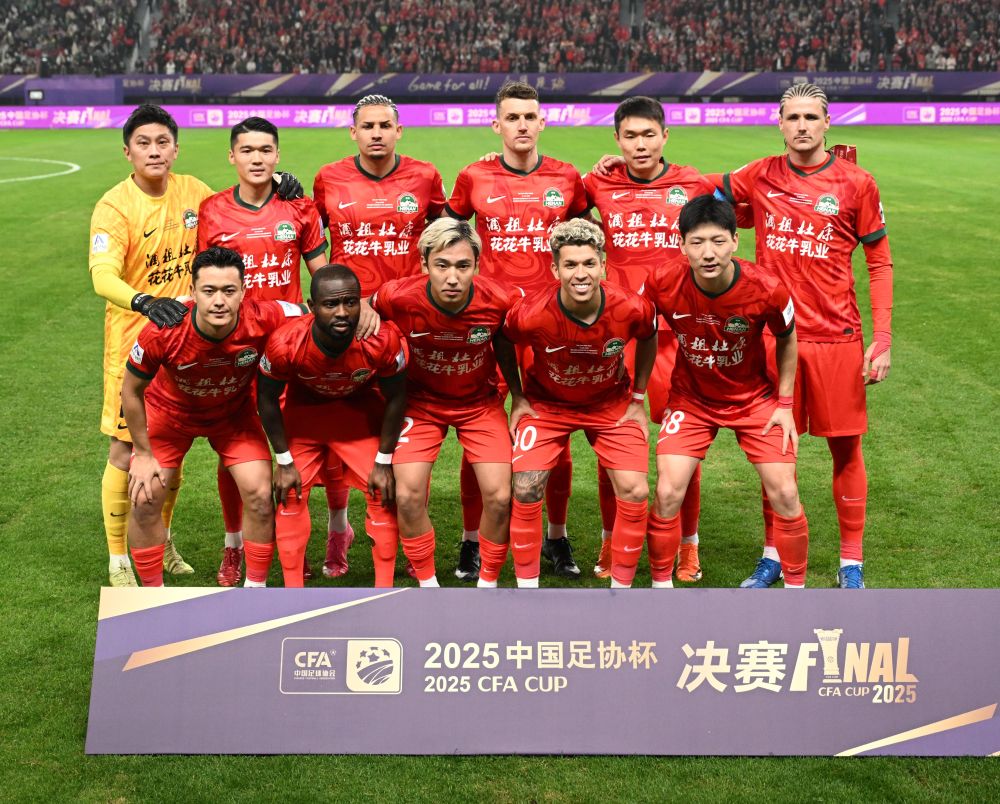
Group 1 - The core point of the article highlights that Henan team, despite losing 0:3 to Beijing Guoan in the 2025 Chinese FA Cup final, achieved its best result in the tournament's history by reaching the finals for the first time [1][4] - The Henan football club, established in 1994, has maintained its original name for 27 years, symbolizing the perseverance and dedication of Henan football [3][4] - The team has experienced ups and downs, including relegation and promotion, showcasing a resilient spirit that has earned respect in the football community [4][6] Group 2 - The club's investor, Hu Baosen, is a key figure in maintaining the team's identity and aspirations, aiming to create a "century-old club" [6][10] - The club's transformation and name changes, including its recent rebranding to "Henan Football Club," reflect the ongoing evolution in the football landscape [6][10] - The strong support from loyal fans, who traveled long distances to witness the team's historic achievements, underscores the deep-rooted connection between the team and its supporters [7][9] Group 3 - The development of football culture in Henan, including social and campus football initiatives, has contributed to the team's success and growth [10][13] - As of the end of 2024, Henan province boasts 9,300 football fields and over 18,000 registered football athletes, indicating a robust infrastructure for football development [10][13] - The establishment of youth training systems and numerous football schools in the province highlights the commitment to nurturing future talent [10][13]
5000万元“合作”一场球,这个“含金量”让中超蒙羞
Qi Lu Wan Bao· 2025-10-16 08:23
Core Viewpoint - The article discusses a match-fixing scandal in Chinese football involving Shenzhen Kaisa FC and Wuhan Zall FC, highlighting the financial corruption and ethical issues within the sport [1][6][8] Group 1: Match-Fixing Incident - Shenzhen Kaisa FC's management paid 50 million RMB to Wuhan Zall FC to ensure a favorable outcome in a crucial match, which ended in a draw despite Shenzhen being significantly behind [1][6] - The match, held on October 26, 2019, was manipulated under the guise of sponsorship, reflecting a blatant disregard for fair play in Chinese football [6][8] Group 2: Implications of Financial Corruption - The incident is part of a broader trend of "money football" in China, where significant financial investments have led to both increased competitiveness and ethical decay within the sport [6][8] - The case of Shenzhen Kaisa's general manager, Ding Dongmei, who was prosecuted for bribery, serves as a cautionary tale about the consequences of prioritizing financial gain over integrity in sports [6][8] Group 3: Broader Context of Chinese Football - The rise of "money football" has attracted major corporations to invest heavily in Chinese football, improving the league's visibility but also fostering a culture of corruption and short-term thinking among club management [6][8] - The downfall of former national team coach Li Tie, who was implicated in the scandal, illustrates the potential for moral decline among players and coaches when faced with financial incentives [8]