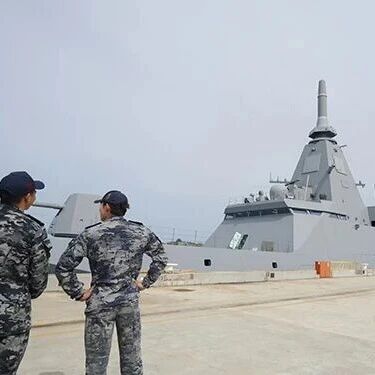
防卫装备出口解禁

Search documents
高市政府计划26年全面解禁防卫装备出口
Xin Lang Cai Jing· 2025-12-04 11:25
Group 1 - The Japanese government plans to lift the export restrictions on defense equipment categorized as "Category 5," which currently includes non-lethal items such as rescue, transport, and surveillance equipment, by the first half of 2026. This move aims to strengthen security cooperation with allied nations and expand the domestic defense industry market [2][9][10] - The Japanese defense industry is expected to benefit significantly from the removal of these export restrictions, potentially leading to a comprehensive lifting of the arms export ban. The Ministry of Defense's procurement data indicates that major companies like Mitsubishi Heavy Industries and Kawasaki Heavy Industries are poised to gain from this change [3][10] - The procurement contracts for the fiscal year 2024 show Mitsubishi Heavy Industries leading with an order value of approximately 1.9 trillion yen, a significant increase from the previous fiscal year [3][11] Group 2 - The Swedish International Peace Research Institute (SIPRI) reported that five Japanese companies, including Mitsubishi Heavy Industries and Kawasaki Heavy Industries, ranked among the top 100 global defense firms in 2024, with a sales increase of 40% compared to 2023, the highest growth rate among major countries [5][12] - The Japanese defense industry is primarily focused on domestic demand, and the anticipated removal of export restrictions is expected to open up overseas markets, enhancing growth opportunities [5][12] - Analysts suggest that Japan's competitive edge in areas like vessels and conventional submarines could lead to expanded export opportunities if the restrictions are lifted [5][12]

高市政府计划26年全面解禁防卫装备出口
日经中文网· 2025-12-04 08:13
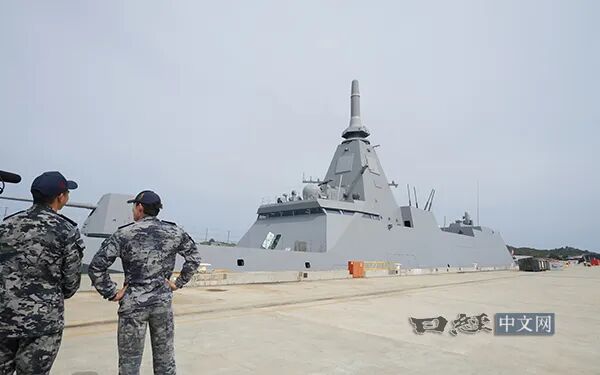
Core Viewpoint - Australia has decided to procure Japan's "Maya" class frigates, which aligns with Japan's plan to lift restrictions on defense equipment exports by mid-2026, potentially benefiting Japan's defense industry and enhancing international cooperation in security [2][5]. Group 1: Export Policy Changes - Japan's government plans to remove the "5 categories" restriction on defense equipment exports, which currently limits exports to non-lethal items such as rescue and transport equipment [2][4]. - The removal of these restrictions is expected to allow Japan to fully lift its arms export ban, significantly benefiting its defense industry [5]. - The Liberal Democratic Party (LDP) has initiated discussions to repeal the export restrictions, as outlined in a coalition agreement with the Japan Innovation Party [2][5]. Group 2: Defense Industry Growth - Japan's defense spending has significantly increased since the Kishida administration began in 2023, driven by deteriorating security conditions in the region [8]. - Major Japanese defense companies, including Mitsubishi Heavy Industries and Kawasaki Heavy Industries, have seen substantial growth, with sales increasing by 40% in 2024 compared to 2023 [8]. - Mitsubishi Heavy Industries' defense and aerospace orders surged from 500 billion yen in 2022 to nearly 1.9 trillion yen in 2023 and 2024 [5]. Group 3: Market Dynamics - The top defense contractors in Japan include Mitsubishi Heavy Industries, Kawasaki Heavy Industries, and Mitsubishi Electric, with procurement amounts reaching 1.4567 trillion yen, 638.3 billion yen, and 495.6 billion yen respectively [6]. - The potential lifting of export restrictions is anticipated to expand overseas sales opportunities for Japanese defense firms, which have primarily focused on domestic markets [8]. Group 4: Cautionary Perspectives - There are cautious opinions regarding the lifting of export restrictions, emphasizing the need to consider Japan's image as a peace-oriented nation [9]. - The revised National Security Strategy of Japan maintains its commitment to defensive principles and non-nuclear policies, indicating a careful approach to expanding defense exports [9]. - The export of lethal equipment will still be subject to strict controls to prevent it from reaching aggressor nations or terrorist organizations [10].