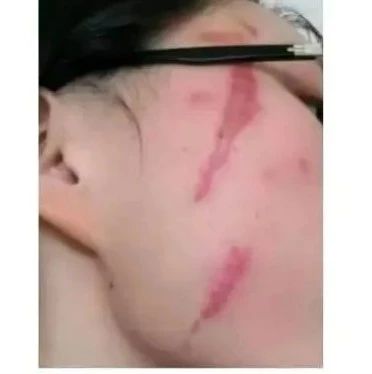
隐翅虫皮炎

Search documents
毒液堪比硫酸!杭州女子摸了下脖子就“中招”!千万别碰,有人差点毁容
Huan Qiu Wang· 2025-06-27 00:53
Core Points - The article discusses the rising cases of "hidden wing insect dermatitis" in Hangzhou, particularly highlighting the experiences of patients affected by this condition [1][3][18] - The hidden wing insect, also known as "flying ant," releases a strong acidic toxin that can cause severe skin reactions when it comes into contact with human skin [18][20] Group 1: Patient Experiences - A woman named Wang experienced severe skin reactions after being bitten by a hidden wing insect, leading to a diagnosis of typical "hidden wing insect dermatitis" [1][3] - Another patient, Mr. Lang, reported swollen eyes and pain, which were also attributed to hidden wing insect dermatitis, with a significant increase in cases reported since May [4][7] - A previous case involved an elderly man who mistook his symptoms for shingles but was later diagnosed with skin damage from the hidden wing insect's toxin [13][15] Group 2: Medical Insights - Medical professionals have noted a significant rise in cases, with one hospital reporting 62 cases since May, compared to only one case in April [7] - The hidden wing insect's toxin has a pH level of 1-2, comparable to concentrated sulfuric acid, causing intense inflammation upon contact [18] - Proper handling of the insect is crucial; patients are advised not to swat at the insect to avoid spreading the toxin, and immediate washing with soap and water is recommended if contact occurs [20]

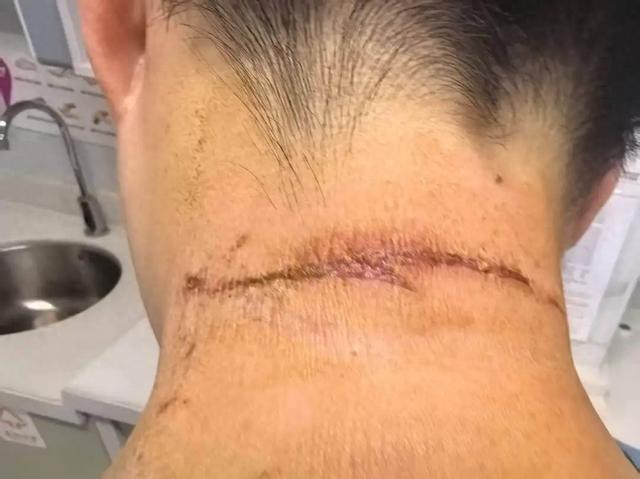
毒液堪比硫酸!严重时可致失明!医生紧急提醒……
央视财经· 2025-04-24 06:42
Core Viewpoint - The article discusses the rising incidence of injuries caused by the "flying sulfuric acid," known as the hidden winged insect, due to increased temperatures, leading to a significant rise in related skin conditions this year compared to last year [1][2]. Summary by Sections Incidence and Impact - As of April 20, a hospital in Wuhan reported over 200 cases of hidden winged insect dermatitis, with a single-day record of 20 cases on April 11, marking a 35% increase compared to the same period last year [1][2]. Characteristics of the Insect - The hidden winged insect contains strong acidic toxins throughout its body, which can cause severe skin reactions upon contact, including swelling, redness, and the formation of blisters or sores [6][9]. Treatment and Prevention - If the insect lands on the skin, it is advised to gently blow or shake it off rather than squashing it, which can release toxins [9]. In case of contact, washing the affected area with soap or a 4% baking soda solution is recommended to neutralize the toxins [11]. - Preventive measures include regular cleaning to avoid insect breeding, installing screens to block entry, and wearing long sleeves when outdoors [12][13].