雷达遥感卫星

Search documents
媒体报道︱探访我国首颗能源工程专用卫星制造基地
国家能源局· 2025-12-11 01:50
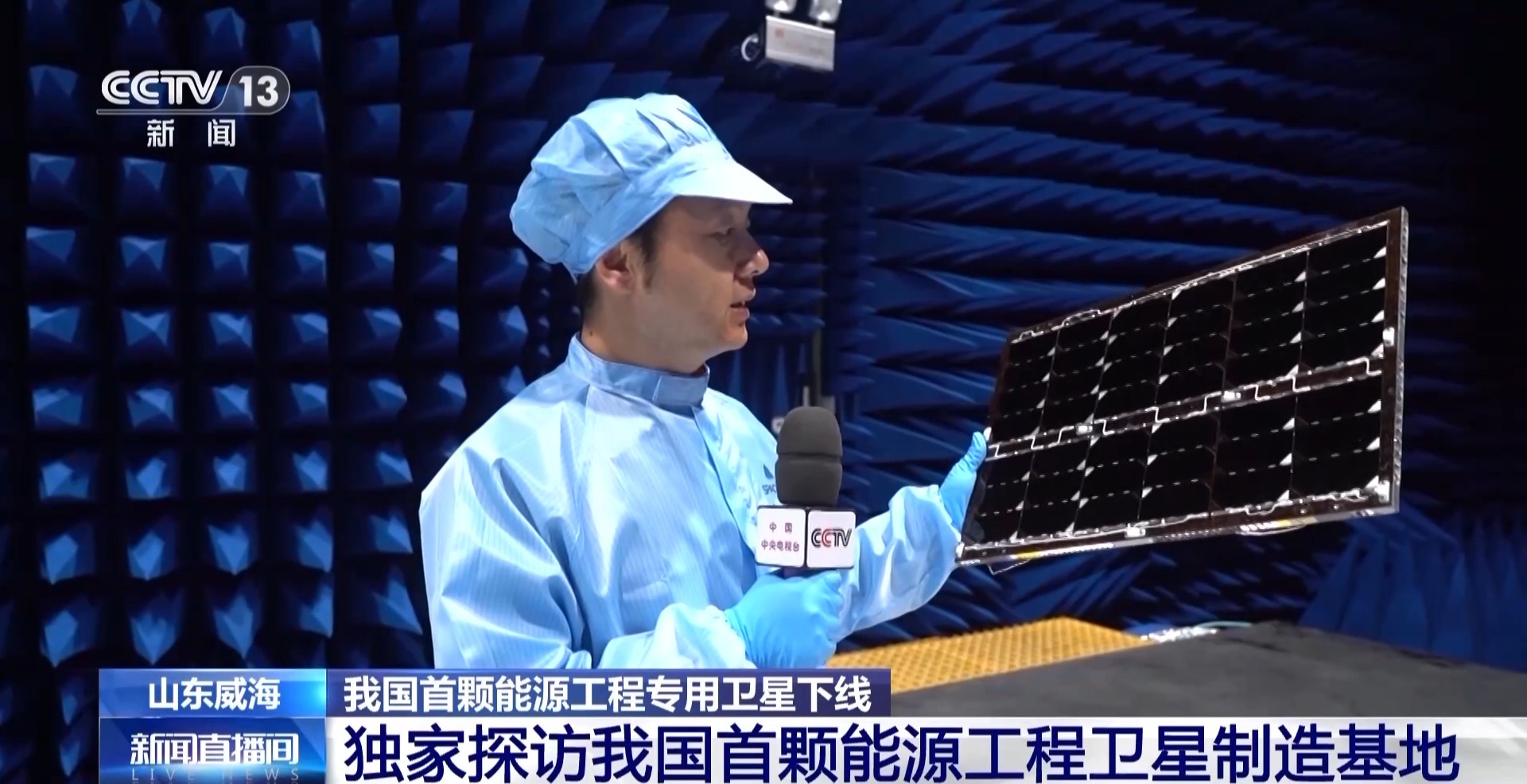
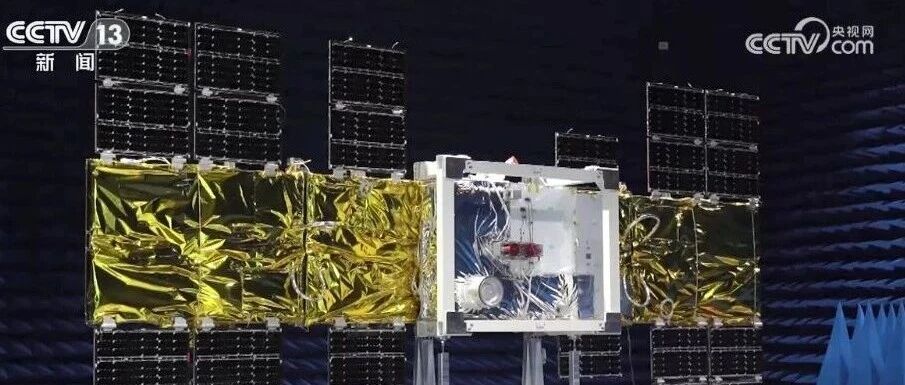
Core Viewpoint - The launch of China's first energy engineering dedicated satellite, the Electric Power Construction 1 Satellite, marks a significant advancement in monitoring the quality of major energy projects with millimeter-level precision from space, improving upon traditional ground-based monitoring methods [2][8]. Group 1: Satellite Features - The Electric Power Construction 1 Satellite features a flat design, which is more efficient in a vacuum environment, eliminating the need for aerodynamic shapes [2]. - The satellite is equipped with solar panels made from special materials that enhance light-to-electricity conversion efficiency by over 50% compared to standard photovoltaic panels [2]. - The solar panels are lightweight, with a total weight of just over 400 grams, allowing for a significant reduction in size from 4.8 meters to 2.8 meters for easier rocket transport [4]. Group 2: Core Components - The satellite's main body houses various precision instruments, including a propulsion system for trajectory adjustments and a positioning system to maintain accurate orbital paths [6]. - The satellite's radar remote sensing capabilities allow for all-weather observation, capable of detecting changes as small as 1 millimeter on the ground, which is crucial for monitoring construction projects and natural disaster warnings [8].

视频丨我国首颗能源工程专用卫星下线 可看清毫米变化 独家探访→
Yang Shi Xin Wen Ke Hu Duan· 2025-12-10 07:32
Core Viewpoint - The launch of China's first energy engineering satellite, "Dianjian 1," marks a significant advancement in monitoring the quality of major energy projects with millimeter-level precision from space, improving upon traditional ground-based monitoring methods [1][10]. Group 1: Satellite Features - "Dianjian 1" satellite utilizes radar remote sensing technology, allowing for all-weather observation and the ability to detect changes as small as 1 millimeter on the ground [10]. - The satellite's solar panels are made from special materials that enhance light-to-energy conversion efficiency by over 50% compared to standard photovoltaic panels [6]. - The satellite's design allows it to fold its solar panels, reducing its width from 4.8 meters to 2.8 meters for easier launch, while maximizing solar energy capture once in space [6][8]. Group 2: Applications and Benefits - The satellite can provide high-precision images for monitoring major construction projects and natural disaster warnings, such as landslides and earthquakes [10][11]. - It can detect minute structural changes in buildings, enhancing safety measures for both major engineering projects and civilian structures [13][15]. - The satellite's capabilities allow for early detection of potential risks in civil buildings, contributing to public safety and disaster prevention [13][19].