AI系统级接管

Search documents
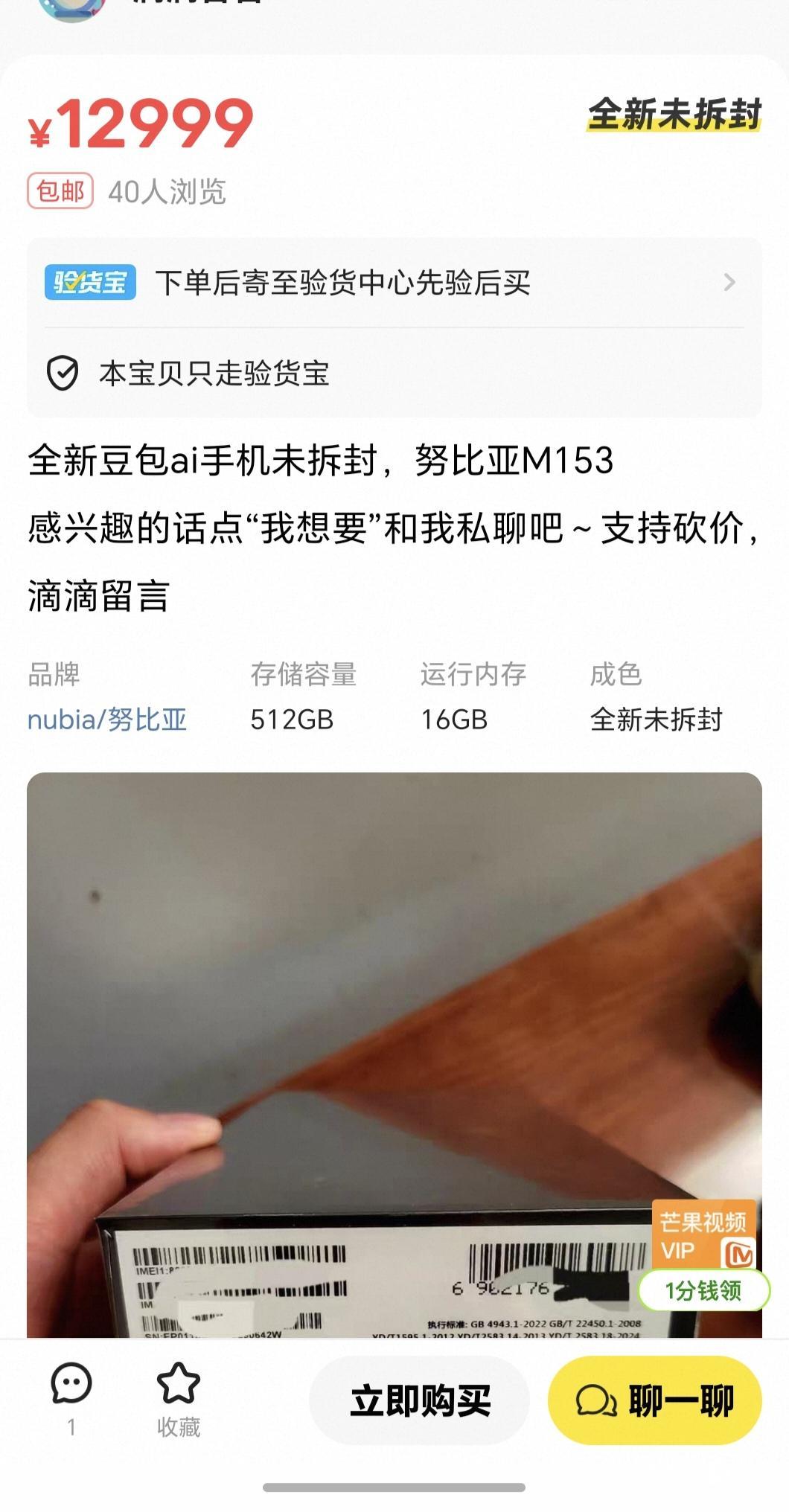
“豆包手机”炒至1.2万!深夜回应争议,AI接管边界待解
Nan Fang Du Shi Bao· 2025-12-04 12:00
Core Viewpoint - The collaboration between ByteDance's Doubao model and ZTE's Nubia aims to introduce a new narrative of "hands-free" operation through AI technology, but it has faced significant challenges and controversies regarding user experience and security [1][6]. Group 1: Product Launch and Market Response - The Nubia Z60 Ultra leading version (model Nubia M153) was launched at a price of 3499 yuan and quickly sold out, with second-hand prices soaring to as high as 12999 yuan [1][5]. - The product's initial reception was overwhelmingly positive, leading to a surge in ZTE's stock price, which hit the daily limit on the A-share market and rose over 13% in Hong Kong [5]. Group 2: User Experience and Technical Issues - Users reported issues with the AI assistant when attempting to operate WeChat, receiving "environment abnormal" alerts that led to account restrictions [5][11]. - Doubao acknowledged the problem and temporarily disabled the ability to operate WeChat through the assistant, with affected accounts being gradually unblocked [7][11]. Group 3: AI Technology and Permissions - The AI assistant requires the INJECT_EVENTS permission, a high-level Android system permission, to simulate user interactions across applications [7][13]. - Doubao emphasized that the use of this permission is based on user consent and can be revoked at any time, aiming to address privacy and security concerns [7][13]. Group 4: Industry Reactions and Legal Perspectives - The notion of "user permission equals no infringement" has sparked debate, with experts arguing that platform consent is also necessary for compliance [9]. - Concerns were raised about the potential risks of AI agents taking control of mobile devices, emphasizing the need for a balanced approach between innovation and existing app security measures [18][19]. Group 5: Future Directions and Recommendations - Experts suggest that the ideal future should focus on "harmonious coexistence" between AI agents and app platforms, rather than confrontation or takeover [19]. - There is a call for the establishment of new protocols to facilitate cooperation between operating systems and application developers, ensuring mutual integration and compliance with existing rules [19].