AI Collaboration in Development

Search documents
程序员不再写代码,而是靠“感觉”,年度热词Vibe Coding背后的编程革命
3 6 Ke· 2025-11-10 06:53
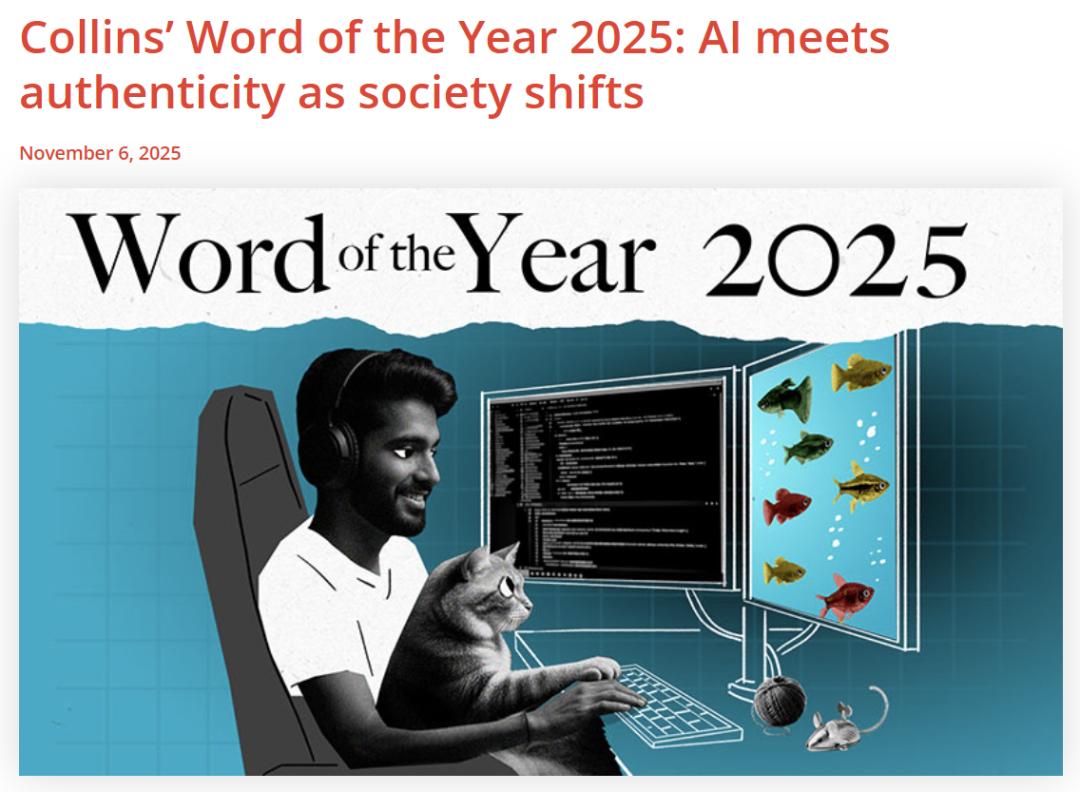
Core Insights - The term "vibe coding" has been officially recognized by Collins Dictionary as the word of the year for 2025, symbolizing a shift in programming from logic-based coding to a more intuitive, feeling-based approach [1][10][24] - This new programming style emphasizes collaboration with AI, where programmers use natural language to describe their needs, allowing AI to assist in code generation and logic completion [5][15][22] Group 1: Evolution of Vibe Coding - "Vibe coding" originated from a humorous tweet by Andrej Karpathy, highlighting a new way of programming that prioritizes intuition over strict coding rules [5][6] - The term quickly gained popularity across various tech forums and social media, becoming a cultural symbol of how AI is reshaping the programming landscape [8][17] - The definition of "vibe coding" has evolved to represent the act of using natural language prompts to have AI assist in writing computer code, marking a significant cultural shift in the tech community [10][20] Group 2: Impact on Programming Practices - AI tools like GitHub Copilot and Replit Ghostwriter are enabling programmers to focus on high-level ideas rather than syntax, transforming the coding process into a more collaborative and intuitive experience [15][16] - The programming environment is shifting towards AI-assisted development, where the emphasis is on setting the tone and intent rather than controlling every line of code [22][23] - This transformation is seen as a paradigm shift in software development, with AI taking a more central role in the coding process [21][24] Group 3: Language and Communication Changes - The rise of "vibe coding" reflects a broader change in how humans communicate with machines, moving from precise technical language to more emotional and intuitive expressions [25][27] - Research indicates that prolonged interaction with AI influences human language habits, leading to a more AI-like style of communication [25][28] - The blending of human emotional expression with machine logic suggests a future where creativity and computation coexist, redefining the boundaries between human and machine interactions [24][29]