Advanced Mobility Technology

Search documents
Toyota's buyout deal is a bigger win for Elliott than for governance
Reuters· 2026-03-03 08:58
Core Viewpoint - Toyota's increased bid for Toyota Industries is seen as a win for Elliott Investment Management, but it does not fully address governance concerns, particularly regarding minority shareholders [1]. Group 1: Bid Details - Toyota raised its offer for Toyota Industries to 20,600 yen ($131) per share, valuing the bid at $30 billion, which was a response to pressure from Elliott Investment Management [1]. - The initial offer was 16,300 yen per share, which faced backlash from minority shareholders for being underpriced and lacking transparency [1]. - Elliott had previously rejected a bid of 18,800 yen per share, stating the shares were worth approximately 26,134 yen each [1]. Group 2: Governance Concerns - Despite the increased offer, analysts argue that the bid remains unfair to minority shareholders, as it does not resolve underlying governance issues [1]. - The classification of group companies as independent minority shareholders has raised questions about the fairness of the deal, as it lowers the voting threshold needed for approval [1]. - Concerns about inadequate financial disclosure and transparency over expected synergies were highlighted by the Asian Corporate Governance Association [1]. Group 3: Shareholder Dynamics - For the bid to succeed, 42.01% of shareholders classified as minority owners must accept the offer, excluding Toyota Motor's 24.66% stake [1]. - Chairman Akio Toyoda is set to increase his stake in Toyota Industries from 0.05% to 0.5%, tightening his control over the company [1]. - Some investors view the final offer as inadequate given the asset quality, but they may have little choice but to accept due to Elliott's influence [1].



Magna Advances Vehicle Safety Innovation with Integrated Interior Sensing Systems
Globenewswire· 2025-07-29 12:00
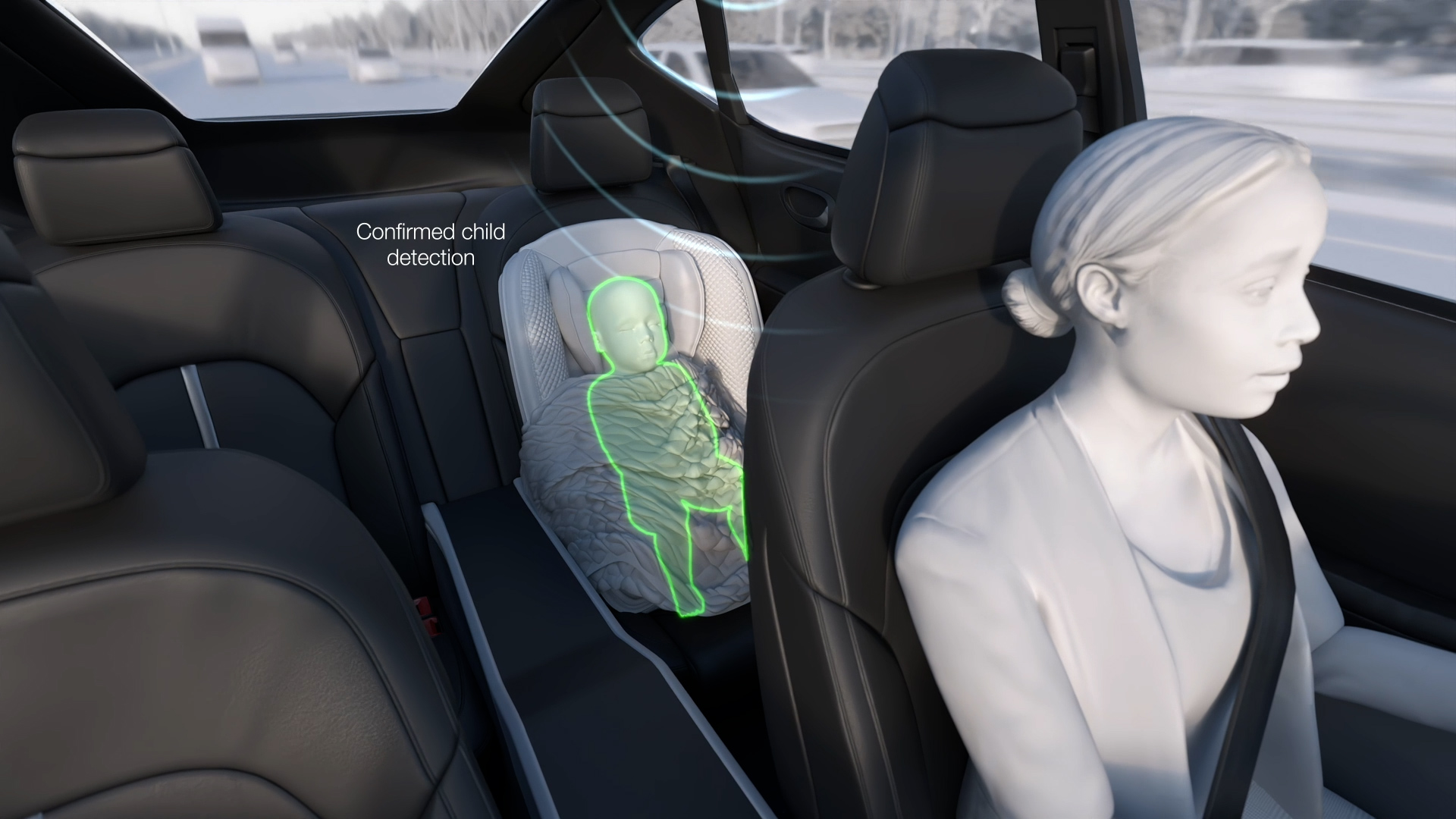
Core Insights - Magna is redefining vehicle safety through comprehensive interior sensing systems aimed at protecting occupants and enhancing the driving experience [1][4] - The company has initiated production on five OEM programs across North America, Europe, and Asia, indicating the growing importance of interior sensing technology [1] - S&P Global forecasts a 3.5 times growth in interior sensor adoption from 2024 to 2032, driven by legislation and safety ratings supporting Advanced Driver Assistance Systems (ADAS) [1] Interior Sensing Solutions - Magna's Child Presence Detection (CPD) technology addresses the critical safety issue of preventing children from being left behind in vehicles, with nearly 40 children dying in hot cars annually in the U.S. [2][9] - The integration of cameras and radars in Magna's interior sensing systems allows for real-time monitoring of occupant behavior and conditions, enhancing overall vehicle safety [3][9] - These systems track driver attentiveness through eye movement and facial expression analysis, while radar detects the presence and position of all passengers [3][10] Market Position and Strategy - Magna's innovative approach positions the company as a leader in advanced mobility technology, offering scalable solutions that meet and exceed regulatory requirements [4] - The company's commitment to enhancing safety standards globally is reflected in its focus on developing technologies that protect vulnerable passengers [3][9] - With over 65 years of expertise and a global workforce of approximately 167,000 employees, Magna is well-positioned to advance mobility in an evolving transportation landscape [5]