Advertising Fraud

Search documents
BrandPilot AI Launches ClickRadar(TM), Targeting $63Billion[1] Bot Epidemic Problem
TMX Newsfile· 2026-02-19 14:06
Core Viewpoint - BrandPilot AI Inc. has developed ClickRadar™, a real-time bot detection product aimed at helping advertisers identify and mitigate non-human traffic, addressing the significant issue of advertising fraud and inefficiencies in digital marketing [1][2][3]. Product Development - ClickRadar™ is designed to respond to the increasing presence of automated agents and AI tools that distort performance metrics and waste advertising budgets [2]. - The product utilizes detection methodologies such as behavioral analysis and interaction pattern recognition to classify non-human activity in real time [4][5]. Market Demand - There is a growing demand for real-time traffic validation as advertisers face challenges from rising automated traffic and the degradation of optimization signals [5]. - ClickRadar™ aims to complement BrandPilot's existing AdAi capabilities, enhancing the company's role as an independent performance and validation layer [6]. Implementation Plans - BrandPilot plans to begin phased enterprise deployments of ClickRadar™ in 2026, focusing on improving advertising accountability and economic efficiency [6]. Company Overview - BrandPilot AI is a performance marketing technology company based in Toronto, dedicated to eliminating inefficiencies in digital advertising for global enterprises [7][8]. - The company's core offering, AdAi, analyzes live advertising activity to identify low-quality or economically inefficient spend, enabling advertisers to recover wasted budgets [7].


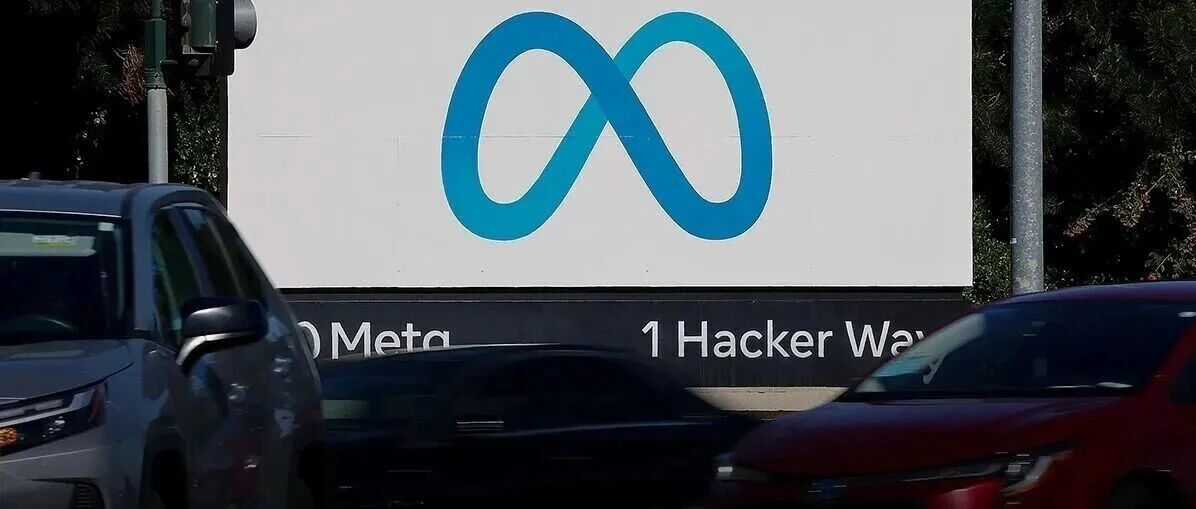
Meta被曝靠海量诈骗广告赚取巨额利润
新华网财经· 2025-11-09 02:01
Core Viewpoint - Meta's internal documents reveal that approximately 10% of its revenue, around $16 billion, in 2024 is derived from fraudulent and prohibited advertisements, highlighting regulatory gaps in its advertising business [2]. Group 1: Revenue from Fraudulent Advertisements - Meta's platforms, including Facebook, Instagram, and WhatsApp, have exposed billions of users to investment scams, online gambling, and prohibited medical products due to the failure to identify and block numerous violating ads over the past three years [2]. - The company estimates that around 15 billion fraudulent ads are pushed to users daily across its platforms [4]. Group 2: Management of Suspicious Advertisers - Many fraudulent ads originate from advertisers already flagged as "suspicious" by Meta. The company's system only bans advertisers when the likelihood of fraud exceeds 95%, opting instead to increase ad costs as a warning for those that are high-risk but not banned [4]. - The personalized advertising system may lead users who have clicked on fraudulent ads to see even more fraudulent content [4]. Group 3: Association with Successful Fraud Cases - Meta is aware that its platforms are significant contributors to the global fraud economy, with estimates indicating that about one-third of successful fraud cases in the U.S. are linked to Meta [6]. - Despite plans to reduce revenue from fraudulent ads, Meta expresses concern that this reduction could negatively impact overall business expectations [6].