Air Passenger Duty (APD)

Search documents
Labour treating travel industry ‘as a cash cow’, complains Jet2 boss
Yahoo Finance· 2025-11-19 16:09
Core Viewpoint - The airline and holiday industry is being treated as a "cash cow" by the government, leading to increased taxes that could make flying unaffordable for lower-income individuals [1][2][3]. Taxation Impact - The government has already imposed significant taxes on the airline sector, and further increases in air passenger duty (APD) are expected to raise airfares, making it difficult for financially constrained Britons to afford holidays [2][4]. - The Chancellor is considering an increase in APD, which would result in a £2 rise for short-haul flights and a £12 increase for long-haul flights, with domestic flight taxes also increasing to £8 [6][7]. Economic Consequences - Increased taxation will likely be passed on to customers, leading to higher prices and potentially reduced demand, which would disproportionately affect lower-income individuals who may not be able to afford holidays [4][5]. - The airline industry is facing a significant increase in business rates, with Heathrow expected to incur costs of about £600 million, Gatwick £200 million, and Manchester Airports Group £150 million, which will also be transferred to airlines and passengers [7][8]. Consumer Behavior - There is a trend of consumers delaying holiday bookings due to cost of living concerns, with more customers opting for offers that allow them to lock in prices with a £60 deposit [9][10]. - Jet2 reported a 7% decrease in flight-only fares over the summer as the company reduced prices and increased marketing efforts to fill planes, resulting in a 6% rise in passenger numbers to 14 million and a 1% increase in pre-tax profit to £800 million [10].
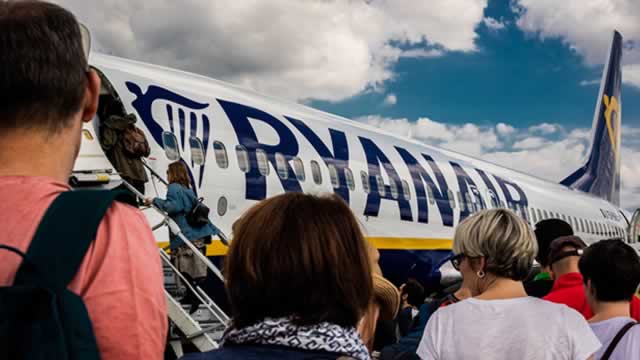
How Ryanair's CEO says airports can support UK growth #politics
Bloomberg Television· 2025-11-04 06:00
Government Policy & Impact - Several European countries like Sweden, Croatia, Hungary, and Italy are abolishing environmental taxes on air travel to stimulate economic growth, leading to increased airline capacity in those regions [1][3] - The UK's increase in Air Passenger Duty (APD) is criticized for negatively impacting regional UK airports [2] - The speaker claims a proposal to abolish APD outside of London was made, promising 50% traffic growth in five years, but the government instead increased APD by two quid, leading to a 33% increase to £14 in April [2] Airline Strategy & Response - Airlines in the UK are threatening to move capacity from regional airports like Glasgow, Edinburgh, Manchester, and Birmingham to countries with lower or no environmental taxes [3] - Ryanair, as the largest airline in the UK, is considering moving approximately 10% of its capacity, equivalent to 5 million seats, out of the UK to countries like Sweden and Italy [4][5] Financial Implications - The airline sector is currently performing well, but further increases in APD could lead to a shift of capacity, flights, aircraft, and jobs out of the UK [3][4]



‘Useless', 'hopeless': Ryanair boss slams the UK government
Youtube· 2025-11-03 07:52
Group 1 - The UK government is increasing Air Passenger Duty (APD) by £2 in April 2026, leading to a total APD of £14, which represents a 33% tax increase for families traveling to and from the UK [1] - The company argues that abolishing APD outside of London could lead to a 50% growth in traffic, particularly in regions that need economic development [1][2] - The financial impact of abolishing APD is estimated to cost the government about £2 billion, but this could be recouped through increased consumer spending and VAT within a year [2] Group 2 - The company criticizes the government's understanding of ticket pricing, stating that a £2 increase in APD is actually a 5% increase based on their average ticket price of £45 [3] - There is a belief that other European countries are successfully abolishing environmental taxes and experiencing growth, suggesting that the UK should follow suit to avoid stifling economic development [4][5] - The company is reallocating aircraft from the UK and other regions to countries like Italy, Sweden, and Croatia, where tax policies are more favorable for air travel [8]