Automation in retail

Search documents
Why shoppers queue 40 minutes for their favourite cashier
Yahoo Finance· 2026-02-13 15:01
Core Insights - The incident of shoppers waiting up to 40 minutes for a specific cashier highlights a trend where customers prioritize personalized service and human interaction over faster checkout times [1][4]. Group 1: Customer Experience - Checkout experience is a critical touchpoint in grocery retail, with long queues being a leading cause of customer dissatisfaction [3]. - Research indicates that fast checkout and reduced wait times are top drivers of store choice, yet recent observations show that some customers value conversation and positive interactions more than speed [3][4]. - In mature grocery markets, differentiation is increasingly based on customer experience rather than just price, leading mainstream supermarket operators to invest in staff training for better customer engagement [5]. Group 2: Automation vs. Human Interaction - The adoption of self-checkout technology has accelerated globally, driven by labor pressures, cost control, and the need for throughput optimization [6]. - Despite the rise of self-checkout, challenges such as scanning errors and technical interruptions persist, leading some supermarkets to scale back fully automated rollouts due to customer complaints about service quality [6][7]. - The US supermarket case illustrates that even with multiple open tills, shoppers may choose slower lines for the interpersonal experience, countering the trend towards automation [7].
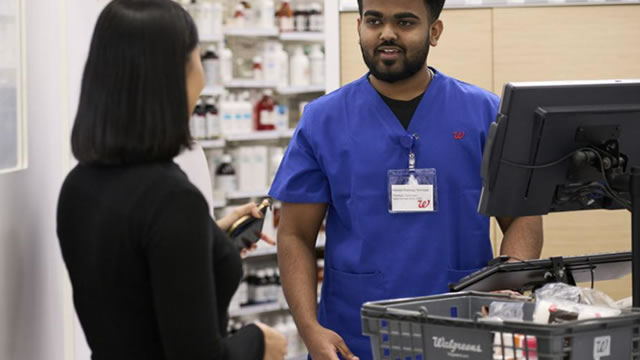
Walgreens Reportedly Upping Use of Robot-Powered Pharmacies
PYMNTS.com· 2025-05-12 13:06
Core Insights - Walgreens is increasing its use of robots in prescription filling across its retail locations, aiming to have 11 micro-fulfillment centers operational for over 5,000 stores by the end of the year [1][2] - The micro-fulfillment centers currently handle 40% of the prescription volume at supported pharmacies, equating to approximately 16 million prescriptions filled monthly [2] - The centers are designed to alleviate workload for pharmacists and technicians, allowing them to focus more on patient care, while also reducing costs and increasing efficiency [3] Company Strategy - The micro-fulfillment centers provide Walgreens with a competitive advantage over independent pharmacies and some competitors that lack centralized support [4] - The company is undergoing a turnaround plan while awaiting acquisition by Sycamore Partners, with recent reports indicating a 4.1% increase in sales and a significant reduction in operating loss from $13.2 billion to $5.6 billion [5] Industry Context - Other major retailers like Walmart, Albertsons, and Kroger are also exploring or utilizing micro-fulfillment facilities for dispensing both grocery items and prescriptions [4] - Walmart aims to enhance pharmacy staff interactions with patients by using fulfillment centers to minimize routine tasks and reduce inventory waste [5] - The industry is increasingly leveraging automation and robotics to address labor shortages and improve operational efficiency, as seen in initiatives by both Walmart and Amazon [6][7]