Banking consolidation

Search documents
Danish FSA approves Sydbank’s acquisition of Arbejdernes Landsbank, Vestjysk Bank
Yahoo Finance· 2025-12-08 08:59
Core Insights - Sydbank's acquisition of Arbejdernes Landsbank and Vestjysk Bank has received final regulatory approval, marking a significant step in Danish banking consolidation [1][2] - The merger positions Sydbank as Denmark's fifth-largest bank, with total lending of DKr137bn ($21.40bn), deposits of DKr207bn ($32.33bn), and total credit intermediation of DKr375bn ($58.57bn) [1][3] Regulatory Approvals - The Danish Financial Supervisory Authority (FSA) granted approval on 5 December, satisfying all regulatory requirements for completion [1] - The Danish Competition and Consumer Authority approved the merger on 1 December, with general meetings at the involved banks endorsing the deal on 2, 3, and 4 December [2] Shareholder Structure - Post-merger, ownership of AL Sydbank will be divided among Sydbank's current shareholders (57.15%), Arbejdernes Landsbank shareholders (39%), and Vestjysk Bank shareholders (3.85%) [4] Cost Synergies - Sydbank expects the merger to generate approximately DKr1.2bn in annual cost synergies within two years, primarily through staff consolidation, branch optimization, and IT integration [4] Market Context - This merger reflects the ongoing trend of banking consolidation in the Nordic region, following other recent acquisitions such as DNB Bank ASA's acquisition of Carnegie and Nykredit Realkredit's acquisition of Spar Nord Bank [5][6]
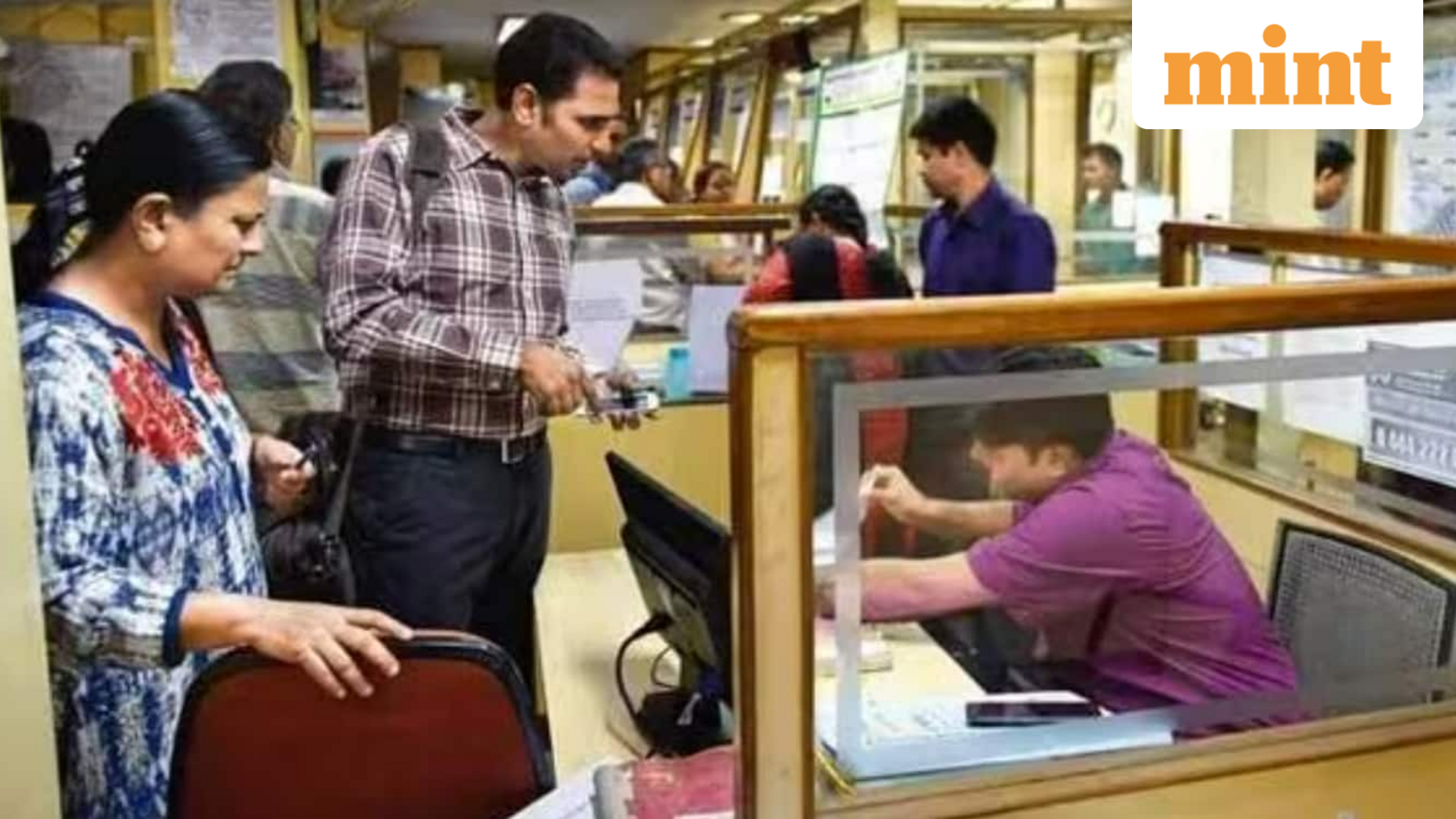
Mega PSU bank merger plan: Can India do it without amplifying risks?
MINT· 2025-12-01 07:16
Core Viewpoint - The Indian government is preparing for another round of public sector bank consolidation to create larger institutions capable of meeting the country's growing investment and credit needs, following a previous consolidation that reduced the number of state-owned banks from 27 to 12 [1][5]. Group 1: Current State of Indian Banking - The Indian banking system is considered small by global standards, with only two banks, State Bank of India (SBI) and HDFC Bank, ranking among the world's 100 largest banks at 43rd and 73rd respectively [2][5]. - The 12 public sector banks (PSBs) collectively manage assets worth approximately $1.95 trillion, significantly smaller than major Chinese banks [5]. - PSBs have recently shown strong financial performance, recording a net profit of ₹1.78 trillion in 2024-25, supported by improved loan books and a gross non-performing asset (NPA) ratio that has declined to a ten-year low of 2.6% [6][7]. Group 2: Implications of Consolidation - The government aims to leverage the current financial strength of PSBs to facilitate consolidation without risking instability, as profitable banks can better absorb transition costs [10]. - A Reserve Bank of India (RBI) study indicates that past bank mergers have generally improved balance-sheet strength, with 70% of acquirers showing better loan-to-assets and loan-to-deposits ratios [11]. - However, operational efficiency improvements have been mixed, with only one-third of mergers strengthening the cost-to-income ratio, suggesting that integration synergies may take time to realize [12]. Group 3: Risks of Increased Concentration - Consolidation may lead to the creation of "too big to fail" institutions, with the potential for a single large bank's failure to impact the entire banking system, eroding capital buffers and triggering liquidity stress [15][18]. - The concentration of banking power raises concerns, as the top three lenders already control around 41% of total assets, which could increase further with consolidation [22]. - The experience of other countries suggests that scale and depth in banking can be achieved without high concentration, indicating that a more diversified banking system could mitigate systemic risks [19][22].