Central bank diversification

Search documents
Gold on track for worst month since 2008 as Iran war enters its fifth week
CNBC· 2026-03-31 08:37
Core Viewpoint - Gold prices are experiencing upward movement due to the ongoing Middle East conflict and a weaker U.S. dollar, although they are on track for their largest monthly decline in nearly 17 years [1][5]. Market Performance - As of 3:30 a.m. ET, U.S. spot gold was trading approximately 1% higher at $4,553.69 per ounce, while front-month gold futures increased by 0.6% to around $4,553 [2]. - Spot gold prices are projected to decline by 14.6% for the month, marking the most significant drop since October 2008, when prices fell by 16.8% [5]. Geopolitical Context - The U.S.-Iran conflict has entered its fifth week, contributing to market uncertainty and influencing gold prices [2]. - U.S. President Donald Trump indicated a willingness to end military actions against Iran, even with the Strait of Hormuz largely closed, suggesting ongoing negotiations [3]. - U.S. Secretary of State Marco Rubio stated that achieving Washington's objectives in Iran would take "weeks, not months" [4]. Investment Dynamics - The recent conflict has led to rising oil and gas prices, which are expected to increase inflation and prompt interest rate hikes [5]. - Investment Manager Wayne Nutland noted that the past four years have altered gold trading dynamics, with gold prices historically inversely correlated to real bond yields and the U.S. dollar [6]. - The current market has seen increased volatility in gold prices, running at twice the historical level due to heightened participation from financial investors [7]. Central Bank Actions - Analysts from Goldman Sachs remain optimistic about gold, forecasting prices to reach $5,400 per ounce by the end of 2026, driven by central bank diversification and expected Federal Reserve rate cuts [12]. - The medium-term outlook for gold prices may improve if geopolitical tensions, such as the Iran situation, lead to increased diversification into gold [13].

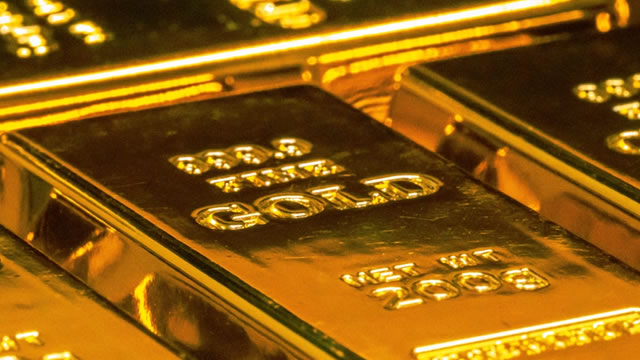
Gold and Silver Outlook for 2026: Why Hard Assets May Beat Stocks
FX Empire· 2025-12-31 14:59
Core Viewpoint - A significant divergence is emerging between financial assets and hard assets, with precious metals showing stronger conviction in future expectations compared to equities [3][4]. Precious Metals - Both gold and silver are trading near record highs, with gold testing $4,600 and silver touching $84, indicating a strong bullish sentiment in the precious metals market [2][5]. - Major institutions like JPMorgan and Bank of America have raised gold price targets to the $5,000 to $6,000 range over the next two years, driven by factors such as central bank diversification and currency debasement [4][8]. - Silver's market dynamics are particularly favorable due to persistent supply deficits and rising industrial demand, leading analysts to revise price forecasts upward [5]. Equities - The S&P 500 is projected to have a narrower margin for error, with targets clustering between 7,100 and 8,000, which implies limited upside that relies heavily on strong earnings growth and stable inflation [6]. - Current equity valuations are elevated, suggesting that even minor disappointments could negatively impact returns [6]. Future Outlook - Looking ahead to 2026, equities require near-perfect execution to achieve targets, while precious metals only need existing structural trends to continue [7]. - The consensus among analysts for gold prices is between $5,000 and $6,000, representing a potential upside of 10% to 30% from current levels [9].